
It happened gradually, and then all at once. Buying products wrapped in packaging that gets thrown away before you've even left the car park became completely normal. Fast fashion made it normal to wear something once and discard it. And somewhere in between, single-use became the default.
Single-use plastics have crept into almost every corner of modern life, from the produce bags at the supermarket to the shrink wrap around your toilet paper rolls, and most of us barely notice.
But here's the thing: Awareness is growing, and so are the alternatives. You don't need to overhaul your entire life to make a meaningful dent in your plastic footprint. You just need to start noticing where the plastic is and make a slightly better choice next time.
Why is Single-Use Plastic Such a Problem?
Two things make plastic particularly problematic: its toxicity and the fact that it essentially never disappears.
Producing plastic requires enormous amounts of fossil fuels, contributing to pollution and climate change before the product has even been used. And once it's out in the world, plastic doesn't biodegrade. Instead, it breaks down through a process called photodegradation, where exposure to ultraviolet light causes it to fragment into smaller and smaller pieces, releasing any toxic chemicals it contains into the environment as it goes.
These microplastics, tiny plastic particles less than five millimetres in size, are now found everywhere: in our oceans, in the soil, in the bodies of marine animals, and increasingly, in the human food chain. It's a problem that outlasts the product by centuries.
Where Can You Start Reducing Single-Use Plastic at Home?
The easiest approach is to focus on the items you use often and replace regularly. Think kitchen, bathroom, and grocery habits. Small shifts here tend to add up quickly.
Here are some of our favourite swaps to get you started:
1. Reusable produce bags
This is hands down one of our favourite sustainable swaps, and one you'll wonder how you ever lived without. Our personal picks are from Seed & Sprout, made from GOTS-certified organic cotton. They come in packs of four across three different sizes, are super lightweight, strong, and have a surprisingly nice feel.
Honestly, forgetting to bring them to the shops is enough to cause a minor meltdown. If that does happen, the paper mushroom bags at the supermarket are your next best friend.
2. Reusable coffee cups.
Your morning coffee tastes better in a reusable cup, keeps its hot temperature longer, and costs less at plenty of cafes that offer a discount when you bring your own. We love the ceramic range from The Laughing Pug that are minimalist, stylish, and genuinely lovely to drink from.
3. Reusable drink bottles.
Bottled water costs up to 2,000 times more than tap water. Let that sink in.
A quality reusable bottle pays for itself after a single week and eliminates one of the most common sources of single-use plastic from your daily routine. Our top pick is the ceramic-lined range from Frank Green. BPA-free, beautifully designed, and built to last.
4. Bulk up!
Supermarkets are packaging almost everything in plastic, but bulk food stores let you buy exactly what you need with zero unnecessary wrapping. Bring your own containers or use the paper bags provided and stock up on pantry staples like pasta, nuts, dried fruit, grains, and legumes. Many bulk stores now also carry household essentials like laundry detergent and dish soap, so you can reduce plastic across the whole home in one trip.
5. Buy the whole thing.
Pre-cut fruit and vegetables are almost always wrapped in plastic that goes straight into the bin. Buy the whole pumpkin, the full watermelon, the entire cauliflower. If it's more than what you need, plan your meals around it for the week or chop and freeze the rest. Simple, waste-free, and most often cheaper over time, too.
6. Visit the butcher or deli counter.
Ask your local butcher or supermarket deli if you can bring your own container. Most are happy to help. If not, ask for paper wrapping instead of a plastic bag. It's a small ask that makes a real difference over time.
7. Zip it real good!
Zip-lock bags are genuinely useful, but they don't have to be single-use. Reusable silicone alternatives do exactly the same job without the waste, and they last for years. We love the reusable silicone ziplock bags from Kappi, a practical swap you'll use every single day.
8. Bring a bread bag to the bakery.
A simple cotton bread bag is all it takes to skip the plastic at the bakery counter. Hand it over when you order, and your loaf goes straight in. Easy, reusable, and oddly satisfying.
9. Ditch the cling wrap.
Plastic wraps made with PVC or BPA sit directly against your food, which is less than ideal from both an environmental and a health perspective. The good news is that alternatives have come a long way. Beeswax wraps, reusable silicone covers, and stretch lids all do the job beautifully without the chemical concerns.
10. Take it away!
We all need a night off from cooking, and takeaway is one of life's simple pleasures. Next time you pick up an order, ask if the food can go straight into your own container. Even if the restaurant plates it first and you transfer it yourself at the counter, you've still avoided a pile of single-use packaging. Worth asking every time.
11. Plastic-free toilet paper.
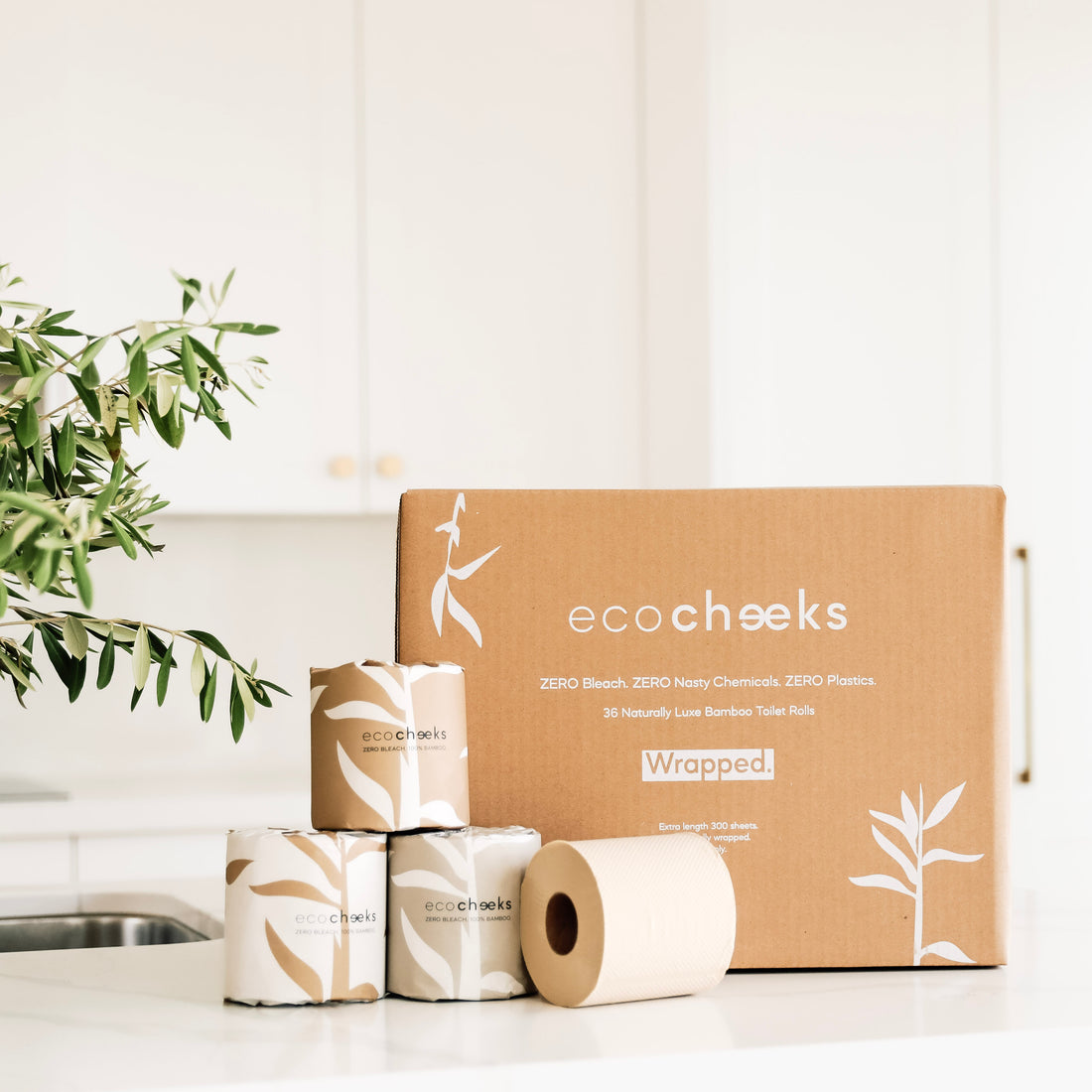
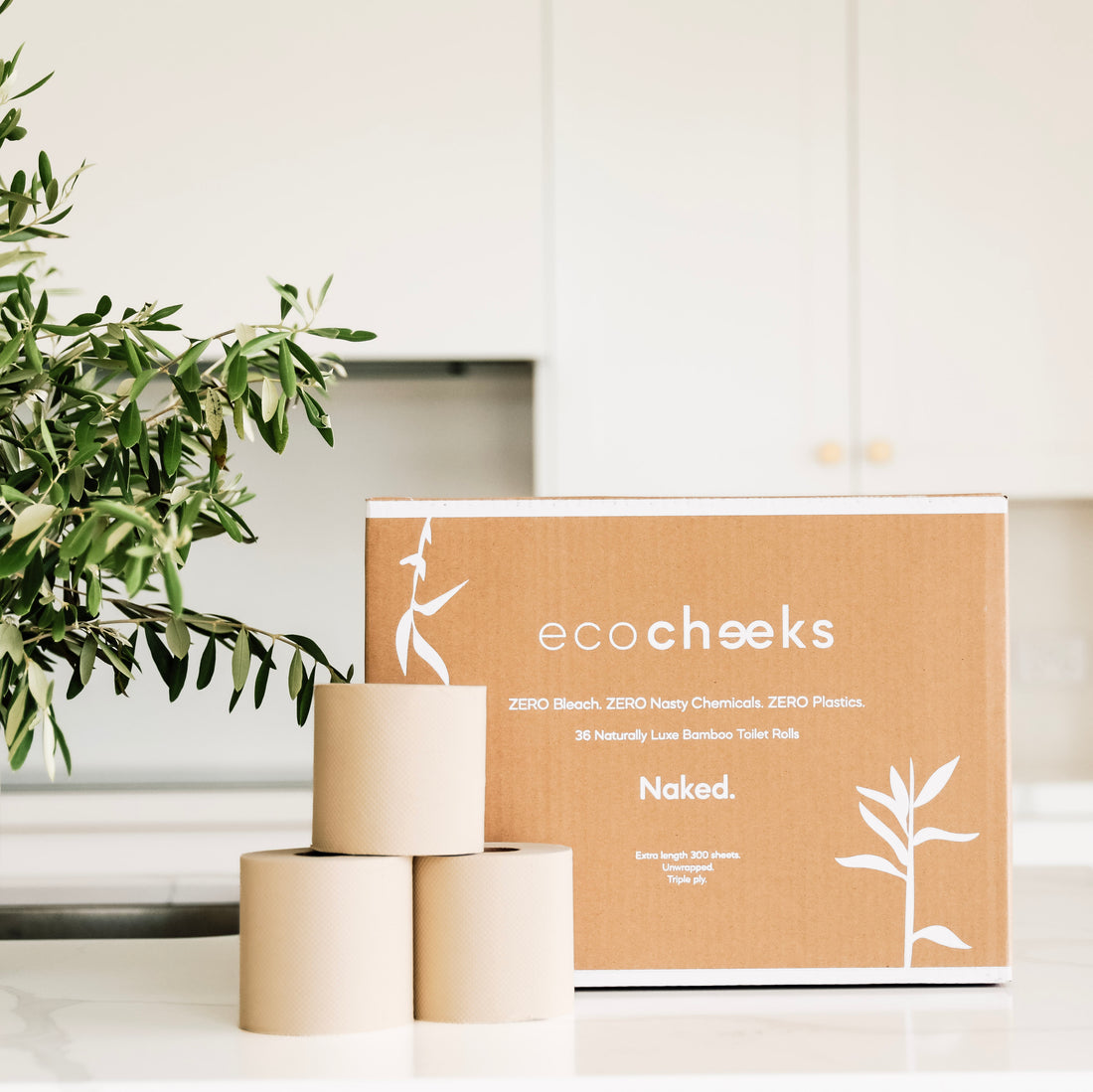
It might seem like a small thing, but most Australians go through a significant amount of toilet paper every year, and almost all of it comes wrapped in plastic. Switching to Eco Cheeks means your rolls arrive either wrapped in paper or completely naked, with zero plastic in sight. Unbleached, chemical-free, and genuinely good for your skin too. Your bathroom routine stays exactly the same. The plastic doesn't.
What Should You Do with Plastic You Cannot Avoid?
Not all plastic can be eliminated, and that is okay. Soft plastics cannot go into standard kerbside recycling and can actually contaminate other recycling streams.
In Australia, some supermarkets are slowly reintroducing soft plastic collection points as programs continue to evolve, so it is worth checking locally for drop-off options.
Every Swap Counts
Reducing single-use plastic is not about doing everything perfectly. It is about noticing what you use, choosing better when it is easy, and gradually shifting habits over time. And honestly, some of the best swaps are the simplest ones, especially the ones you use every single day.
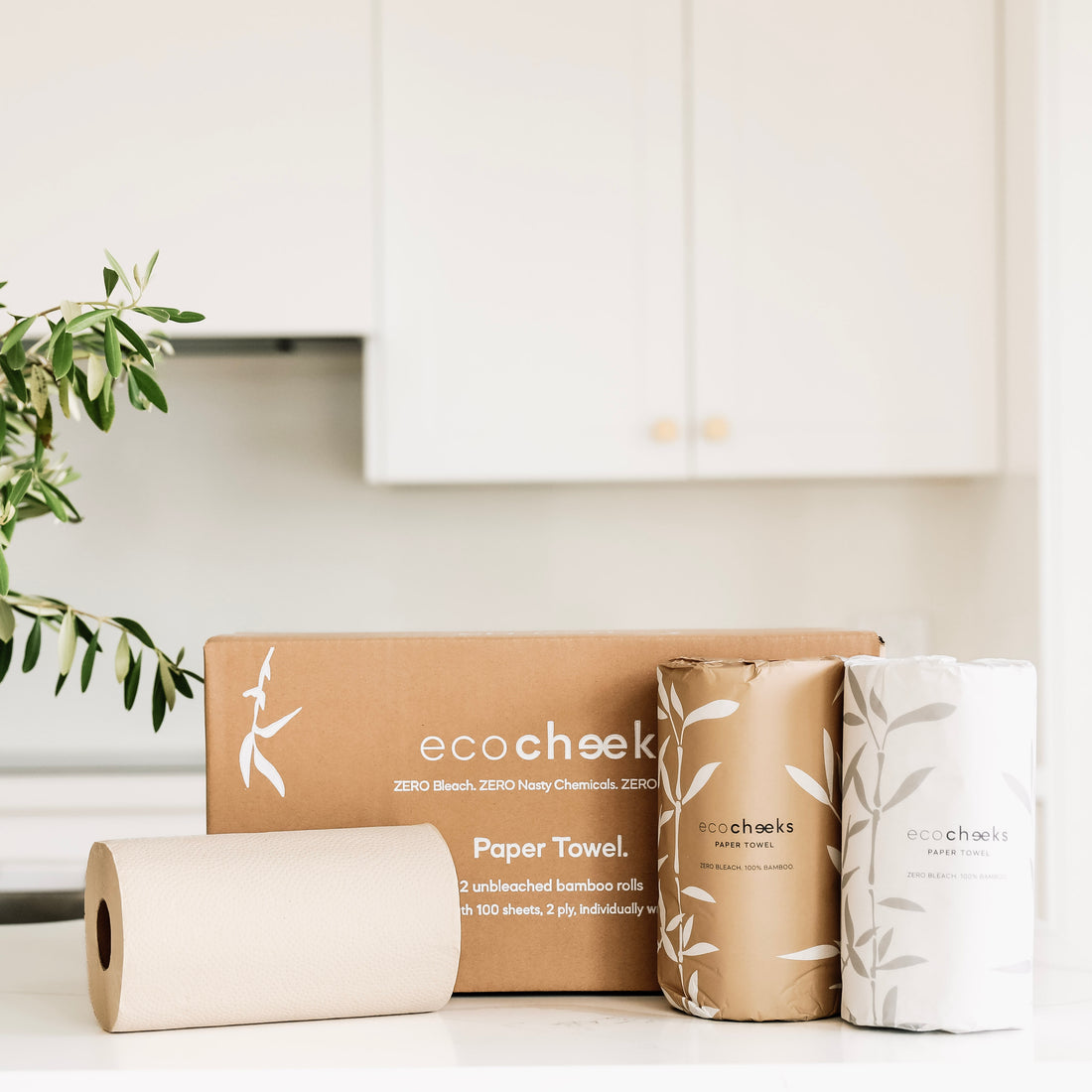
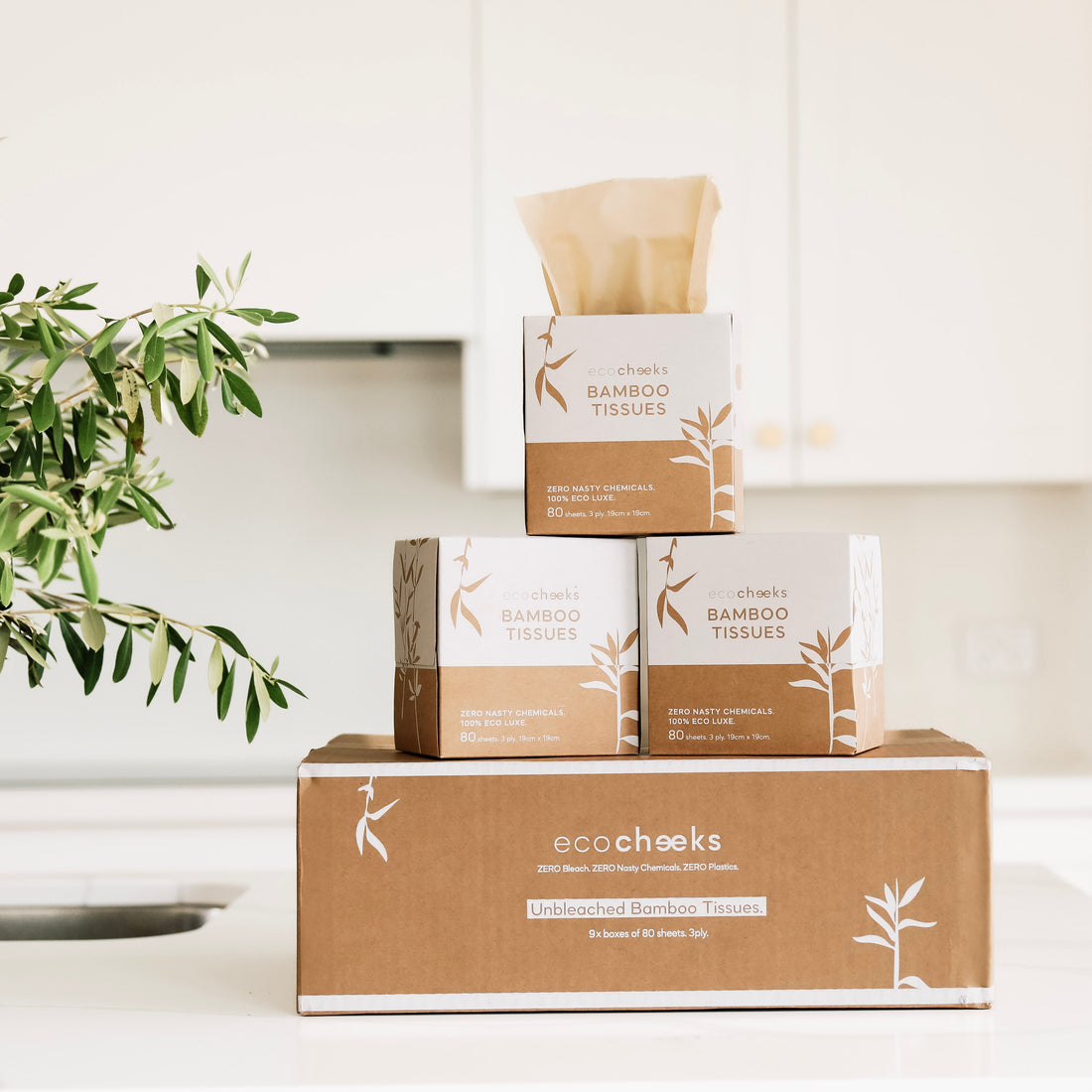
If you are starting somewhere, your bathroom is a great place. Eco Cheeks 100% bamboo, unbleached toilet paper and tissue bundles are plastic-free, chemical-free, and delivered straight to your door. Bulk-buy your favourites, save more than just the planet and your cheeks, and subscribe to your order to save even more.
One small switch. Less waste. Less stress. Same routine. And yes, your cheeks will thank you too.