
You've moisturised. You've upped your water intake. You've switched to a gentler cleanser. And yet every winter, without fail, your skin still feels drier, tighter, and more reactive than usual.
Sound familiar?
Most of us put it down to the cold weather and leave it at that. But winter skin sensitivity is rarely just about temperature. A big part of what's going on has nothing to do with what's happening outside and everything to do with what's happening inside your home.
Why Winter Is Harder on Your Skin
Cold air holds less moisture than warm air, which means your skin loses hydration faster during the winter months. The outer layer of your skin, known as the skin barrier, works hard to lock in moisture and keep irritants out. When that barrier is compromised by dryness, it becomes more permeable, more reactive, and more easily aggravated by things it might otherwise shrug off.
Add indoor heating into the mix, and the problem compounds. Heated air is dry air, and spending more time in enclosed, heated spaces strips moisture from your skin consistently throughout the day.
But here's what most people don't consider: Winter also means more time spent indoors, which means more exposure to the everyday household products that quietly interact with your skin around the clock.
Your Home Environment Plays a Bigger Role Than You Think
In warmer months, windows are open, you're outside more, and your home breathes. In winter, everything closes up. The same air circulates. The same products are used in the same enclosed spaces, day after day.
That matters because many everyday household essentials contain chemicals that can irritate sensitive skin, and in winter, your exposure to them intensifies.
Think about how many times a day your skin comes into contact with:
-
-
Cleaning sprays and surface wipes
-
Laundry detergent on your clothes, towels, and bedding
-
Dishwashing liquid on your hands
-
Tissues when you're battling a winter cold
-
Toilet paper, multiple times a day, every single day
-
Scented candles and air fresheners burning in sealed rooms
-
Each of these products, if they contain synthetic fragrances, chlorine bleach, dyes, or harsh chemical binders, adds another layer of exposure. And when your skin barrier is already weakened by the cold and dry air, it has far less resilience to push back.
The Winter Cold Makes It Worse
Winter brings with it a whole lot of nose-blowing. And if your tissues are made from chemically bleached, fragranced paper, repeated contact with already-sensitive facial skin can leave it red, raw, and inflamed faster than you'd expect.
It's one of the most overlooked contributors to winter skin flare-ups. The tissues feel soft. They smell fresh. But that freshness often comes from synthetic fragrance compounds that are among the most common irritants for sensitive skin.
The same applies to toilet paper. It's used multiple times a day on some of the most sensitive and permeable skin on your body. If it's bleached with chlorine or contains fragrance residues, that's a significant source of daily chemical contact that most people never think to question.
Heating, Ventilation, and Indoor Air Quality
Here's another piece of the puzzle that often goes unnoticed: In winter, scented candles, plug-in air fresheners, and heavily fragranced cleaning products are used more frequently indoors, in spaces with far less ventilation than in summer.
Synthetic fragrance compounds release volatile organic compounds into the air. In a well-ventilated space, these disperse quickly. In a sealed, heated room, they linger. For people with sensitive skin, asthma, or respiratory sensitivities, this kind of concentrated indoor exposure can contribute to skin and respiratory flare-ups that seem to come out of nowhere.
We explored this in more detail in our blog on why Fragrance is not your friend, but the short version is this: "fragrance" on any product label is a catch-all term that can legally conceal hundreds of undisclosed chemicals.
In winter, when you're sealed indoors with those products burning, spraying, or sitting against your skin, the cumulative load on your body increases significantly.
Simple Low-Tox Swaps That Make a Real Difference in Winter
The good news is that reducing your chemical exposure at home doesn't require a complete overhaul. A few considered swaps in the products you use most often can make a meaningful difference to how your skin feels through the colder months.
Ventilate your home when you can. Opening a window for even just ten minutes a day helps flush out accumulated chemical compounds from cleaning products, candles, and air fresheners. And if you want a little extra help year-round, a few well-placed indoor plants can naturally support air quality too. Peace lilies, spider plants, and pothos are all low-maintenance options that quietly do good work in any room. We've got a guide to Plants That Love Humidity for inspiration.
Switch to unscented and bleach-free tissues and toilet paper. Chlorine bleaching is one of the most unnecessary steps in conventional paper product manufacturing, yet it's used on two of the products that touch your most sensitive skin most often. Unbleached tissues keep harsh chemical residues away from already-sensitive facial skin during cold and flu season, while bleach-free toilet paper removes a significant source of daily chemical contact that most people never think to question.
Swap to a natural, sulphate-free body wash or soap. Conventional body washes often contain sulphates and synthetic additives that strip the skin's natural moisture barrier, something your skin can barely afford to lose in winter. Look for gentle, plant-based formulas with short ingredient lists your body will actually recognise.
Try white vinegar as a natural fabric softener. Instead of heavily fragranced commercial fabric softeners, add a small splash of white vinegar to your rinse cycle. It naturally softens fabrics, reduces chemical buildup in your washing machine over time, and leaves no residue or smell on your skin. Better for your bedding, better for your skin, and better for your appliances too. You won't smell it, but you'll absolutely feel the difference.
Swap conventional cleaning products for natural, chemical-free alternatives. Many everyday cleaning sprays, surface wipes, and dishwashing liquids contain bleach, synthetic preservatives, and harsh surfactants that linger on surfaces your skin touches constantly. In winter, when your home is sealed and ventilation is limited, those residues build up faster than you'd think. Look for plant-based options with simple, transparent ingredient lists that you can actually read and understand.
Store cleaning products away from living areas. Chemical off-gassing from conventional cleaners stored in enclosed spaces, like under the bathroom or kitchen sink, can quietly contribute to indoor air quality issues. A small change in where you store things can make a real difference to the air your family breathes every day.
Choose a natural beeswax, soy, or coconut wax candle over paraffin. If you love a cosy candle burning through the winter months, it's worth knowing that paraffin candles release petrochemical compounds when burned. Natural wax alternatives like beeswax, soy, or coconut wax burn cleaner and are much kinder to indoor air quality in sealed winter rooms. Same warmth, less chemical load.
It's Not Just Winter. But Winter Makes It More Obvious.
Skin sensitivity can build quietly over months and years of repeated low-level chemical exposure. Winter just tends to be the season where it becomes impossible to ignore, because your skin's defences are already down and your indoor exposure is at its highest.
Understanding that connection is the first step. Your Skin Is Your Largest Organ, absorbing more from its environment than most people realise, and the everyday products you use most often are the ones worth paying the closest attention to.
The reassuring part is that small swaps add up. You don't need to change everything at once. Start with the products your skin touches most often, and notice the difference.
A Warmer, Gentler Winter Starts at Home
Your skin doesn't need a new serum this winter. It might just need fewer chemicals in the products it's already coming into contact with every day.
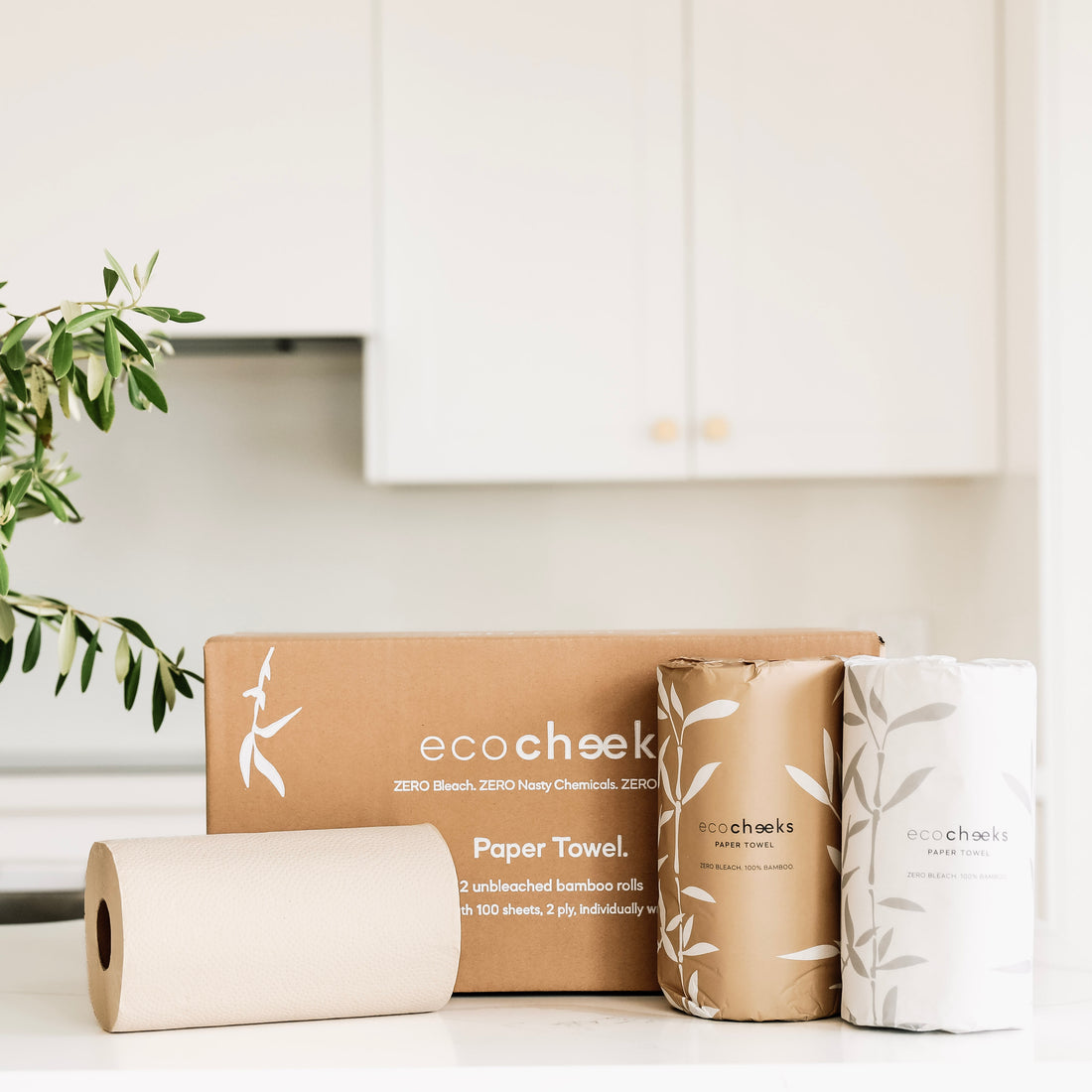
Eco Cheeks 100% bamboo, unbleached toilet paper and tissue bundles are fragrance-free, bleach-free, and free from the nasties that conventional paper products sneak in. Soft enough for sensitive winter skin, kind enough for the whole family, and easy to stock up on so you're never caught short mid-cold season.
Bulk-buy your favourite Eco Cheeks bundles and subscribe to save more than just the planet and your cheeks. 💛