
Winter has a way of changing how a home feels. The light is softer, the days are shorter, and suddenly the same space that felt fine in summer can feel a little heavier, a little busier, a little more overwhelming.
It is not always obvious why. The furniture has not changed. The layout is the same. But somehow, everything feels like it has multiplied.
For many households, winter is also when plastic quietly builds up. Shopping deliveries increase, comfort eating creeps in, and convenience products stack up in cupboards, drawers, and bins. Without realising it, the home starts to feel more cluttered, not just physically but visually and mentally, too.
This Plastic Free July, we are looking at something a little different. Not just the environmental case for reducing plastic, but also the way a more intentional, lower-plastic home can genuinely support how you feel during the darker, quieter months of winter.
Why Clutter Feels Worse in Winter
Clutter often feels more overwhelming in winter because we naturally spend more time indoors and have fewer visual breaks from our environment.
In warmer months, you’re outside more. Doors and windows are open, and we move between spaces more often.
But in winter, you're home earlier, staying later, and spending more time in the same spaces. The home becomes the centre of everything, which means every object in it gets more attention, whether we realise it or not. This means the visual noise of your environment, the excess packaging, the plastic clutter, the things you've been meaning to deal with, becomes harder to ignore.
Also, lower natural light levels can make rooms feel more closed in, which amplifies visual clutter. Even small amounts of mess or excess packaging can feel louder in a darker environment.
Research consistently shows that cluttered environments contribute to elevated cortisol levels, the stress hormone, and make it harder for the nervous system to fully relax. A visually busy home can subtly keep the body in a more alert state.
Reducing plastic is not just an environmental choice. In many ways, it is a way of reducing visual and mental load, too.
How is Plastic Bad for Us? (Beyond the Environment)
Many plastics contain additives or chemicals such as BPA and phthalates, which may leach into food, water, or surrounding environments, particularly when exposed to heat or repeated use.
Microplastics, tiny particles created as plastic breaks down, have now been found in indoor air, dust, and even human tissue. While research is ongoing, many people prefer to reduce exposure where it is easy to do so.
How Plastic Contributes To Clutter And Overwhelm In The Home
Plastic tends to accumulate without intention. Packaging builds up quickly, disposable items are constantly replaced, and many low-cost plastic products are not designed to last. Over time, this creates a cycle of buying, discarding, and replacing that contributes to both physical clutter and mental fatigue.
A big part of the problem is how easily plastic enters the home in the first place, through deliveries, food packaging, containers, bags, and single-use convenience items that often linger far longer than expected. Unlike natural materials, plastic rarely blends into a space. The colours, textures, and excess packaging can make even organised rooms feel visually busier.
There is also the issue of duplication. Cheap, convenient plastic items often lead to extras: spare containers, backup bottles, miscellaneous bags, and things we forget we even own quietly build up in cupboards and drawers.
When a home is filled with too many small, unrelated items, the brain has to process more visual information constantly. That ongoing visual load is part of what contributes to feelings of overwhelm, especially during winter when we naturally spend more time indoors.
Choosing fewer, better-quality items can help break that cycle. And where there is a simple, low-effort alternative, many people are finding it makes sense to make the swap.
Why More People Are Reducing Plastic At Home
More people are reducing plastic at home because they are starting to connect everyday habits with long-term wellbeing. People are not just asking what they are buying, but how it fits into the overall feel of their home and lifestyle.
Plastic reduction also aligns naturally with simplicity and more intentional living. When you start noticing it, plastic is one of the most visually dominant materials in a home. It shows up everywhere, in packaging, storage, cleaning products, bathroom items, and kitchen essentials.
It rarely feels calm. More people are choosing to opt out. Not all at once, but gradually, thoughtfully, and in ways that actually stick.
Campaigns like Plastic Free July have also helped bring awareness and normalise gradual change, encouraging small swaps instead of all-or-nothing thinking. For most households, the goal is not perfection. It is progress that feels realistic and sustainable.
What Plastic Clutter Should I Get Rid of from My Home First?
If you are not sure where to start, focus on the plastics you use most often and replace them regularly. A helpful way to approach it is to ask:
What am I constantly buying, using, or throwing away?
In the bathroom:
-
-
Plastic-wrapped toilet paper and tissues
-
Single-use bottles of shampoo, conditioner, and body wash
-
Plastic toothbrushes and disposable packaging
-
Heavily packaged cleaning products
-
In the kitchen:
-
-
Cling-wrap and single-use bags
-
Plastic packaged produce
-
Excessive packaging of pantry staples
-
You do not need to remove everything at once. The most effective approach is to replace items as they run out. This naturally reduces waste while shifting the home towards more durable and reusable alternatives.
Over time, these small changes significantly reduce visual clutter, particularly in kitchens, bathrooms, and pantries where plastic builds up the most.
What Are Easy Plastic-Free Swaps?
Plastic-free living does not need to be extreme. In fact, the most sustainable approach is to swap as you run out, replacing one plastic item at a time with a better alternative. A few easy changes include:
-
Bar soap instead of bottled body wash
-
Beeswax wraps or silicone covers instead of cling wrap
-
Reusable shopping and produce bags
-
Buying in bulk where possible to reduce packaging
-
Switching to plastic-free bathroom and household essentials
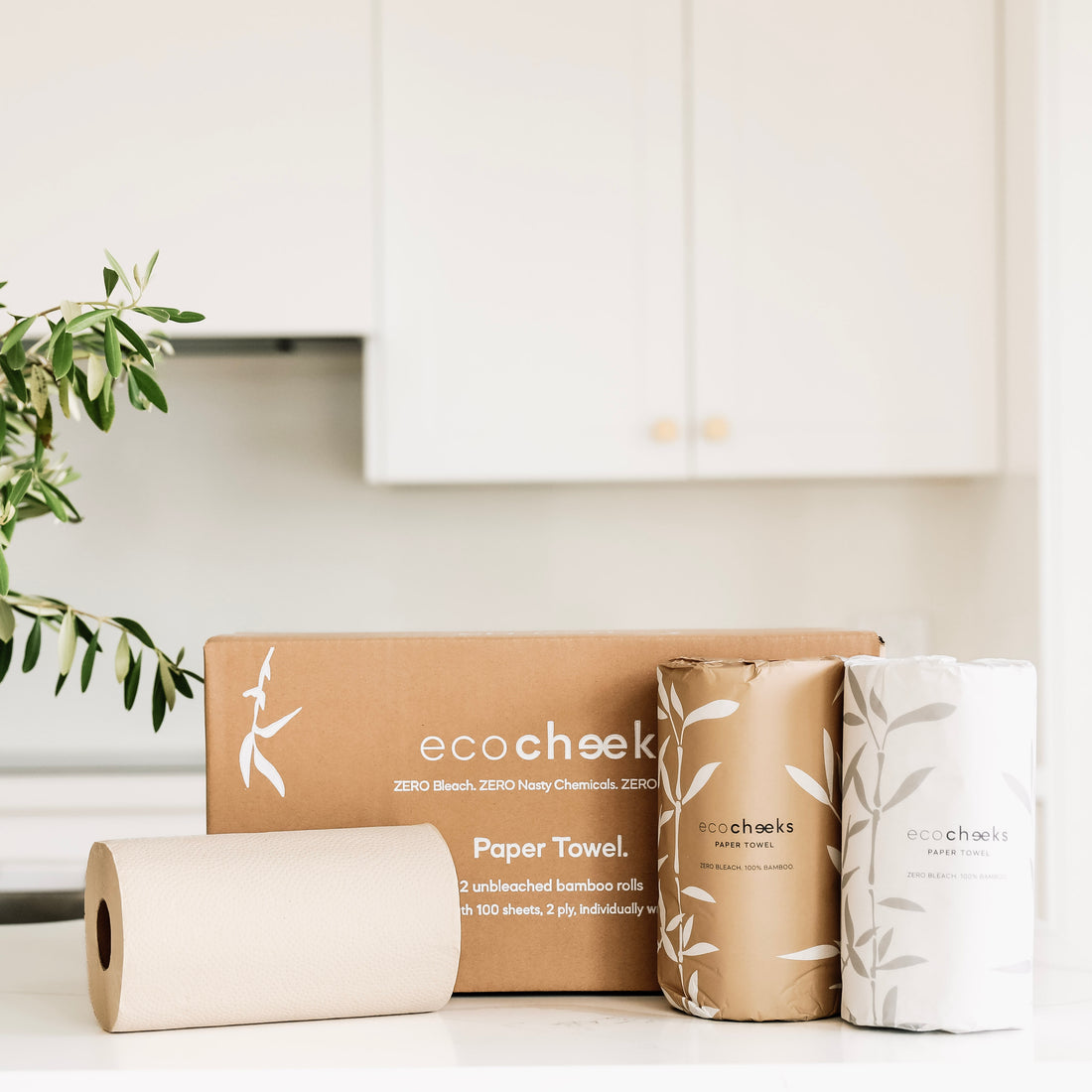
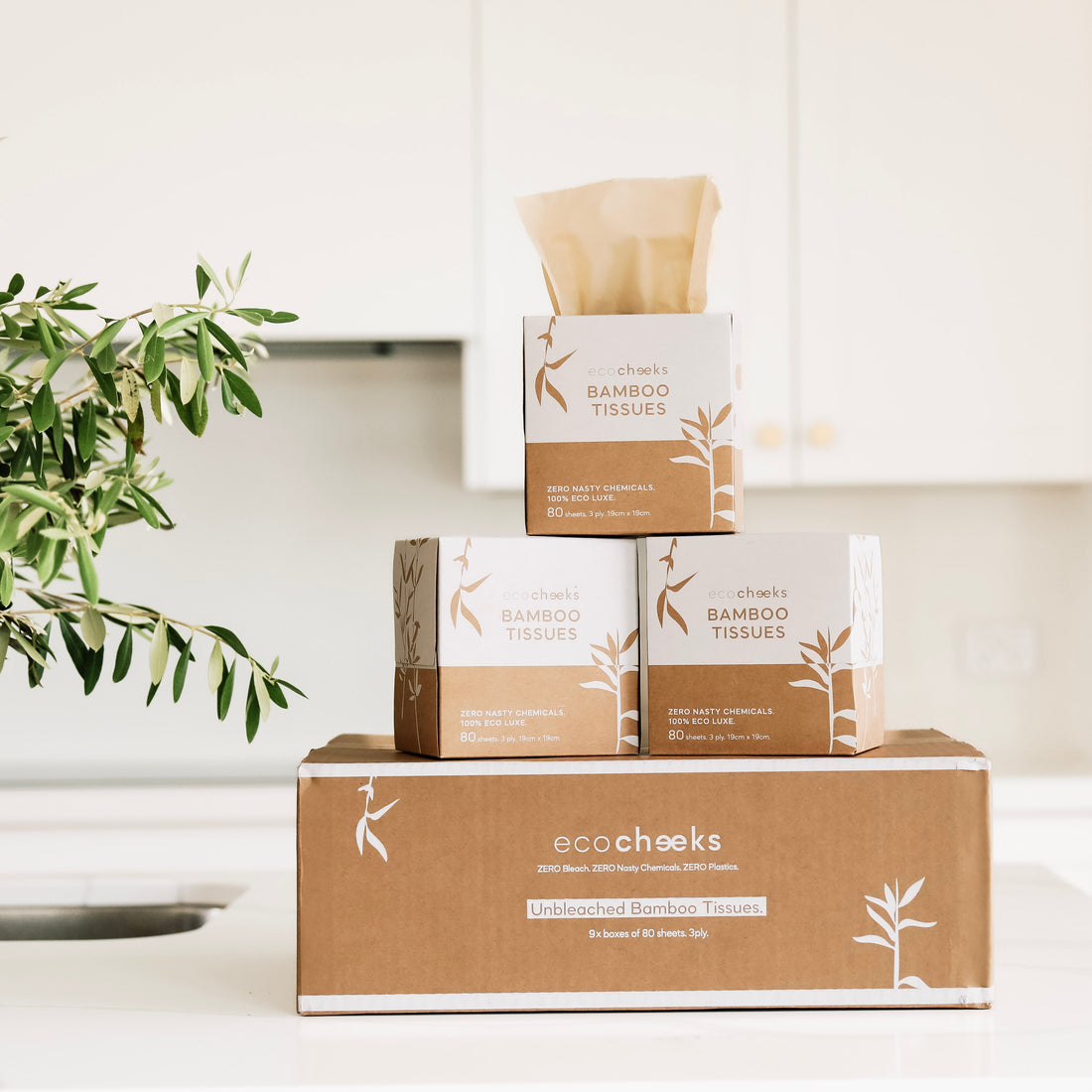
One of the most overlooked areas is household paper products. Toilet paper, tissues, and paper towels are used daily, yet are often wrapped in plastic and heavily processed.
Many households are now choosing simpler options like unwrapped or “naked” toilet paper, which removes unnecessary packaging and keeps only what is needed.
Small swaps like this can make a noticeable difference to both clutter and household waste. It is less about doing everything perfectly and more about reducing the constant flow of disposable packaging into the home.
Small, Intentional Choices for a Calmer Home
A calmer home in winter is not about minimalism or restriction. It is about removing unnecessary excess so the things you do have feel more intentional.
When visual clutter reduces, the space naturally feels more restful. There is less to process, less to manage, and less to clean up. This creates a subtle but meaningful shift in how a home supports you through the colder months.
Your Plastic-Free Winter Reset Starts Here
If you are looking for a simple place to begin, start with the everyday essentials you use most often.
Many households are now choosing 100% Unbleached Naked Toilet Paper that skips individual wrapping altogether and keeps things closer to what is actually needed, nothing extra.
Eco Cheeks offers household paper products designed to reduce plastic and harsh chemicals in the home. Our Eco Cheeks Unbleached Bamboo Bundles bring together essentials like toilet paper, tissues, and paper towels in one simple delivery, reducing both packaging and last-minute store runs.
With plastic-free packaging and low-tox materials, it is an easy switch that supports a calmer, more intentional home environment. Small swaps like this do not just reduce plastic. They help create a home that feels lighter, simpler, and easier to live in.
Winter can already feel heavy on its own. Your home does not need to add to that feeling.