
When we think about caring for our skin, most of us picture moisturisers, serums, or sunscreen. But your skin is your body’s largest organ, covering roughly two square metres and acting as the first line of defence between you and the outside world. It interacts with far more than just the products you consciously apply.
Every day, it comes into contact with surfaces, fabrics, and household items — and it quietly interacts and absorbs more than you might expect, without you even noticing.
From cleaning sprays to toilet paper, many everyday essentials contain hidden nasty chemicals that can impact your skin and overall health. Understanding what your skin absorbs is the first step to making choices that are kinder to your body and your home.
Why Skin Health Goes Beyond Skincare
Your skin isn’t just a barrier; it’s a living, breathing organ.
Every time it touches a surface or product, tiny molecules from that contact can penetrate your skin layers. Areas like your face, hands, and intimate skin are particularly absorbent, meaning repeated exposure to chemicals can quietly accumulate over time. For some, the effects are immediate — redness, dryness, or irritation. For others, it’s a slow build. Whether visible or unseen, your daily choices matter.
Hidden Chemicals in Everyday Products
Many household and personal care items contain ingredients that aren’t always kind to skin:
-
-
Bleach and chlorine residues — often used in processed paper products like toilet paper and facial tissues for a bright white, “clean” appearance
-
Synthetic fragrances — added to tissues, wipes, and other products to create a “fresh” scent
-
Dyes — used to achieve bright colours in paper towels, tissues, and toilet paper
-
Preservatives and binders — found in wet wipes, facial tissues, paper towels, some processed toilet papers, and even cleaning products like surface sprays, detergents, and liquid soaps to maintain texture, durability, and prevent bacterial growth.
-
Some products labelled as “gentle” aren’t always completely free of nasty chemicals. Even mild items like tissues, wipes, or lightly scented paper products can contain preservatives, binders, or fragrance ingredients that quietly interact with your skin over time. These ingredients can subtly irritate sensitive areas, weaken the skin’s protective barrier, or disturb the skin’s natural microbiome — the community of beneficial microbes that helps defend against inflammation and sensitivity.
Over time, repeated exposure, even to “gentle” products, adds up, making mindful daily choices more important than we often realise.
Why “Toxic-Free” Matters
Toxic-free household and personal care products are designed to minimise unnecessary chemical exposure. That means fewer harsh preservatives, fragrances, dyes, and processing agents. By opting for unbleached, chemical-free essentials, you’re helping your skin:
-
-
Maintain its natural barrier
-
Reduce irritation and sensitivity
-
Stay healthier over time
-
Take Eco Cheeks’ bamboo toilet paper, for example. It avoids nasty bleaching chemicals, yet remains soft, strong, and sustainably made. A small, simple swap can make a big difference — both for your skin and the planet.
How to Spot Skin-Friendly Products
Even products marketed as “natural” can still contain preservatives, binders, synthetic fragrances, or other chemical additives. These ingredients can subtly irritate sensitive areas, weaken the skin’s protective barrier, or disturb the natural microbiome — the community of beneficial microbes that helps defend against inflammation and sensitivity.
In other words, “natural or gentle” doesn’t automatically mean completely safe for your skin.
So, how do you know which products are genuinely kind to your skin? Start by reading labels carefully and looking beyond marketing claims. Focus on products that are:
-
-
Fragrance-free — synthetic scents are one of the most common irritants for sensitive skin
-
Free from harsh dyes and additives — bright colours or chemical softeners can trigger reactions
-
Unbleached or minimally processed — especially important for paper products like toilet paper and tissues
-
Made with simple, natural ingredients — the fewer unnecessary chemicals, the better for your skin and microbiome
-
Choosing products with these characteristics helps protect your skin’s natural barrier, reduce irritation, and keep your microbiome healthy.
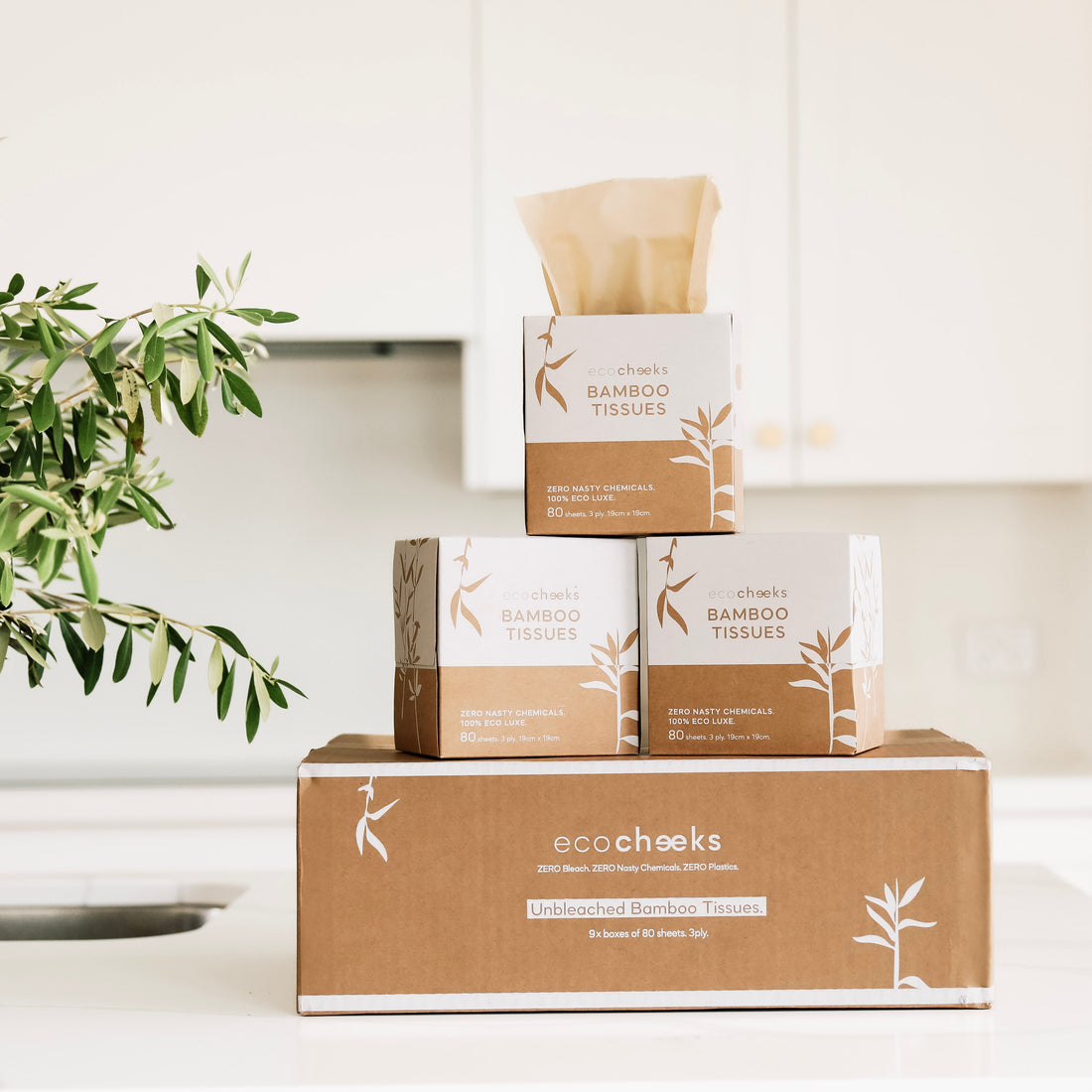
Even small swaps, like switching to toxin-free bamboo tissues or unbleached toilet paper, can make a noticeable difference over time.
Small Swaps, Big Benefits
Living mindfully doesn’t have to feel overwhelming. Start with products you touch every day:
-
-
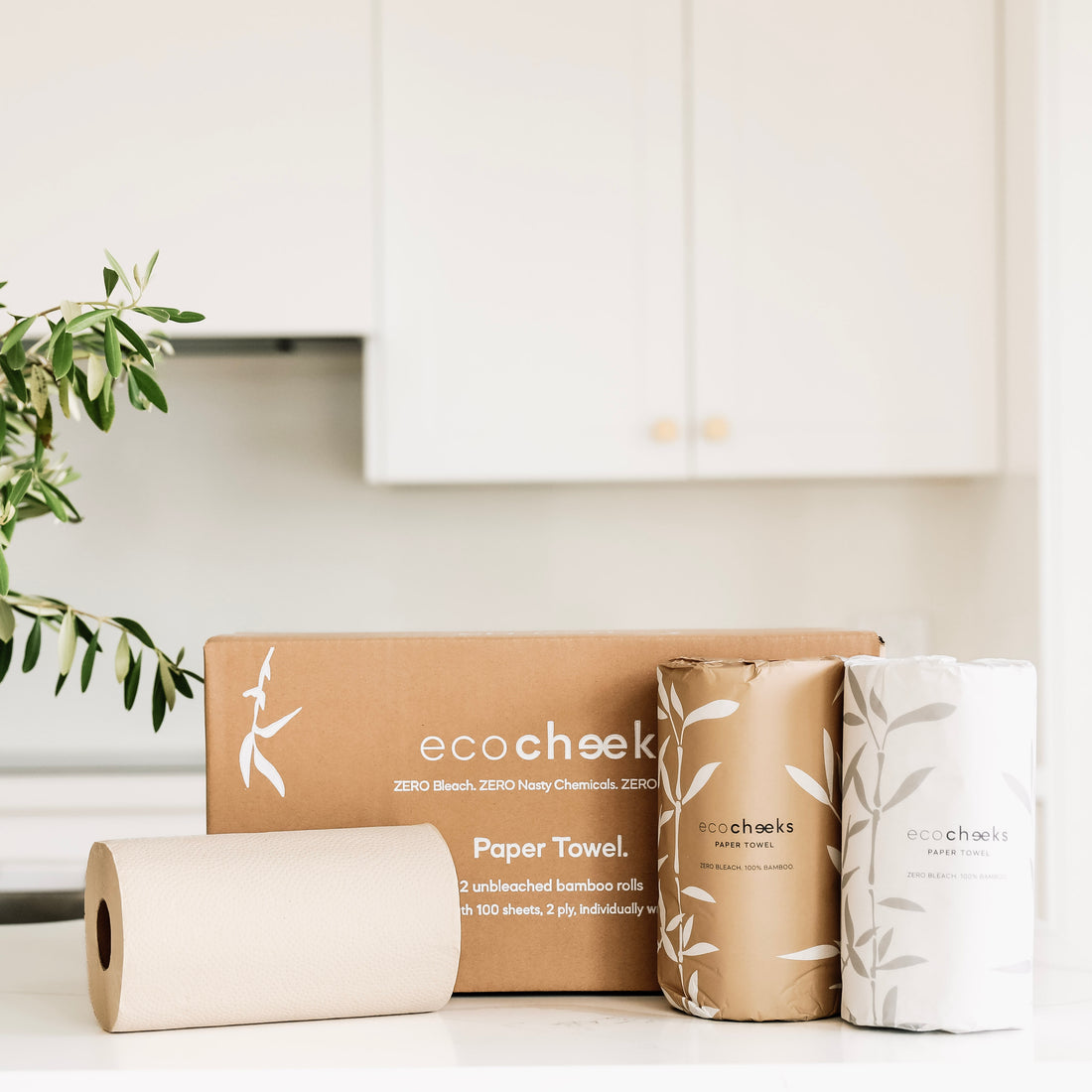
Switch to unbleached, toxic-free toilet paper, tissues, and paper towels
-
Opt for fragrance-free or plant-based cleaning sprays
-
Choose skincare and personal care items with minimal additives
-
Each choice reduces chemical exposure, supports sensitive skin, and creates a healthier home environment. Over time, these small swaps add up to a meaningful difference. You can learn more about easy sustainable swaps here.
Caring for Your Skin and Your Home
Your skin is listening to everything it comes into contact with. By being selective about household and personal care products, you give your body the gentle support it deserves.
Low-tox essentials like Eco Cheeks unbleached bamboo toilet paper bundles make it easy to care for your skin, your family, and the planet—all without sacrificing comfort or convenience.
Taking care of your skin goes beyond lotions and serums. Every touchpoint matters, and every choice counts. Small, thoughtful swaps in your everyday routine can protect your largest organ while making your home a healthier, safer space for everyone.