
You're standing in the cleaning aisle, picking up a bottle of surface spray. It smells like fresh linen, or maybe a crisp ocean breeze. It feels clean. It feels safe. So you pop it in the trolley without a second thought. Most of us do exactly that. Because if something smells good, it must be fine, right?
Not quite.
That fresh linen scent? It's listed on the label as one single word: "fragrance." And behind that one innocent-looking word can be a cocktail of dozens, sometimes hundreds, of undisclosed chemicals that you'd never agree to if you saw them listed out individually.
So let's talk about it.
What Does "Fragrance" Actually Mean?
Here's what surprises most people. "Fragrance" is not an ingredient. It's a category. A loophole, really.
In many countries, including Australia, manufacturers are not legally required to disclose the individual chemicals that make up a fragrance blend. This is largely because fragrance formulas are considered trade secrets and are protected under intellectual property law. This sounds reasonable on the surface, until you realise it means a company can list "fragrance" and have that single word cover anywhere from 10 to 300 different chemical compounds.
The Environmental Working Group (EWG) has flagged fragrance as one of the top cosmetic ingredients of concern, noting it has been associated with allergies, hormone disruption, and respiratory issues. And we're not just talking about perfume here. Fragrance shows up in:
-
- Tissues
- Candles
- Baby wipes
- Toilet paper
- Paper towels
- Air fresheners
- Cleaning products
- Laundry detergents
-
Skincare and body wash
Basically, if a product smells like something other than its raw ingredients, there's a good chance fragrance is involved.
Why It's a Problem for Your Skin
Your skin is your largest organ, and it absorbs more than we give it credit for. When products containing synthetic fragrance sit against your skin, whether that's a scented tissue near your nose, a fragranced toilet paper against sensitive areas, or a heavily perfumed laundry detergent on your clothes and bedding, those chemicals have a direct pathway in.
For some people, the reaction is immediate. Redness, itching, rashes, or sneezing the moment they encounter a heavily fragranced product. For others, it's more cumulative. A slow build of sensitivity over months or years of repeated exposure that eventually tips into chronic irritation, eczema flares, or persistent allergic reactions.
Synthetic fragrances are one of the leading causes of contact dermatitis, which is skin inflammation triggered by direct contact with an irritant or allergen. The areas of the body most affected tend to be the most sensitive ones. Intimate skin, the face, the hands, and the respiratory tract for those with asthma or sensitivities to airborne chemicals.
And because fragrance blends are undisclosed, it's almost impossible to pinpoint exactly which chemical is causing the reaction.
It's Not Just Skin Deep
Fragrance chemicals don't just sit on the surface. Some of the compounds commonly found in synthetic fragrance blends, including certain phthalates and synthetic musks, are considered endocrine disruptors. That means they can interfere with the body's hormonal system, even at low levels of exposure. Research in this area is still growing, but the precautionary principle applies here.
When the potential risks are this significant and the ingredient disclosure is this limited, choosing fragrance-free is a simple, low-effort way to reduce your exposure without overhauling your entire routine.
Your Home Is Full of Hidden Fragrance
Here's where it gets a little confronting. Most people assume fragrance is mainly a concern in perfume or scented candles. But the products you use most often, and most intimately, are often the biggest culprits.
Think about toilet paper. It's used multiple times a day, in one of the most sensitive areas of the body. Many conventional toilet paper brands add fragrance or use chemical bleaching processes that leave residue on the finished product. Yet because toilet paper isn't technically a cosmetic, it often flies under the radar when people are auditing their personal care products.
The same goes for tissues, paper towels, and cleaning sprays. These are products you reach for constantly, often without thinking. And if they contain synthetic fragrance, that's a lot of daily exposure adding up quietly in the background.
What to Look for Instead
The good news is that going fragrance-free doesn't mean giving up products that work. It just means being a little more intentional about what you bring into your home. Here's what to look for:
-
- Fragrance-free, not just unscented. "Unscented" can sometimes mean a masking fragrance has been added to neutralise the smell of other ingredients. "Fragrance-free" means no fragrance compounds have been added at all.
- Short, transparent ingredient lists. The fewer the ingredients, and the more recognisable they are, the better. If you can't pronounce half the list, that's worth paying attention to.
- Certified or third-party tested products. Look for brands that are transparent about their manufacturing process and can back up their claims.
Fragrance-Free Swaps Worth Making
If you're not sure where to start, the easiest approach is to swap products as you run out. No dramatic overhaul required, just a more considered choice each time you restock. Some simple places to begin:
-
- Swap scented toilet paper and tissues for fragrance-free alternatives.
- Choose a fragrance-free laundry detergent, especially for items that sit against your skin all day.
- Replace heavily fragranced cleaning sprays with simple, ingredient-transparent options.
- Check your body wash and moisturiser labels and look for "fragrance-free" rather than "natural scent".
And if you still want your home to smell amazing without the chemical cloud? We've got you covered with 7 easy DIY air freshener recipes that are natural, budget-friendly, and actually work.
The Bare Truth
"Fragrance" is one of the most common ingredients in household products, and one of the least understood. It's a catch-all term that can legally conceal hundreds of chemicals, many of which have been linked to skin irritation, hormonal disruption, and respiratory issues.
Your Best Next Move
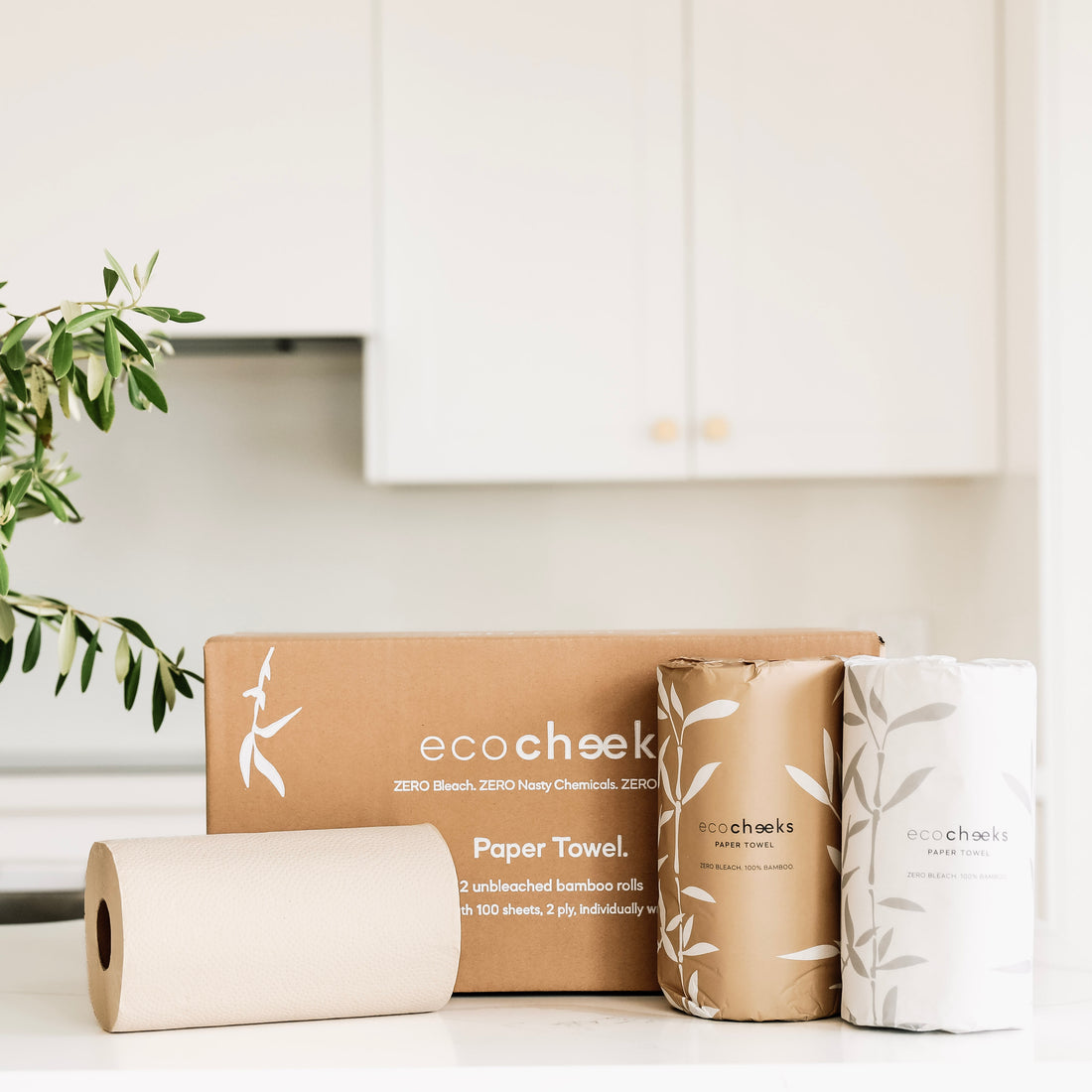
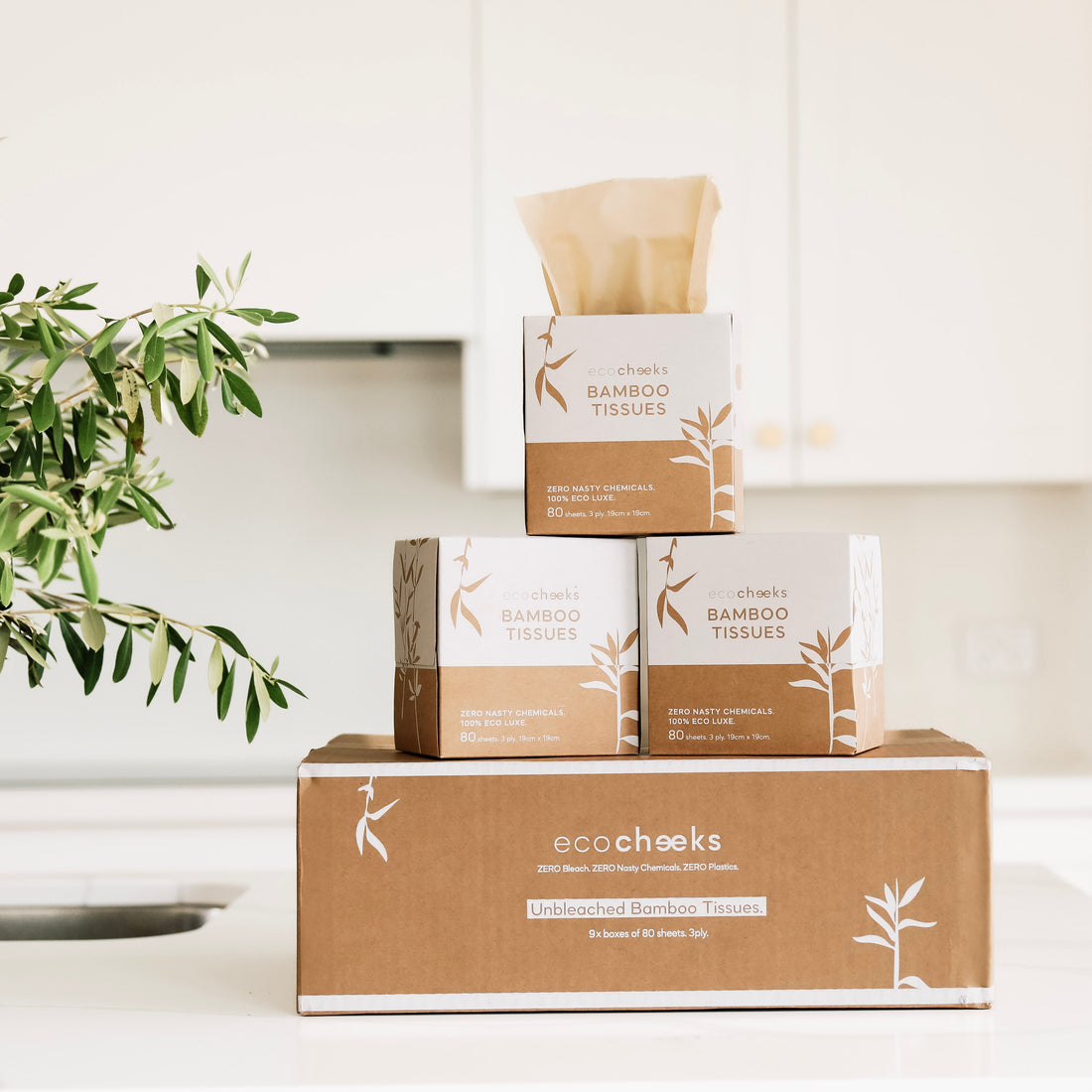
One of the easiest fragrance-free swaps you can make today is your toilet paper and household paper products. Eco Cheeks 100% bamboo, unbleached toilet paper and tissue bundles are completely fragrance-free, bleach-free, and free from the nasties that conventional paper products often sneak in.
Our bundles make it simple to stock up on the everyday essentials your household actually goes through, such as toilet paper, paper towels, and tissues, all in one go. Bulk-buy your favourites, save more than just the planet and your cheeks, and subscribe to your order to save even more. Less running out, less running to the shops, and a whole lot less fragrance in your home. Small swaps. Real difference.
→ Shop Eco Cheeks Fragrance-Free Toilet Paper Bundles here.