

Sorry, but we won't be having a Black, Green, or Brown sale this weekend. Not this year, and not next year either. We know that might sound a little unconventional. But hear us out, because this one is worth a proper explanation.
We don't believe in the idea of consumers needing to make panic decisions because time is running out or stock is disappearing.
Black Friday, at its core, is a click frenzy of deep discounts, or perceived discounts, designed to urge us to "save" money by spending more of it. And that's just not something we want to be part of.
Here's why.
1. Our Business and Values
We may run little events throughout the year, but they're always aligned with our values and focused on building a sustainable brand. We're not seasonal or impulsive, and we won't convince people to buy more than they need. Thankfully, toilet paper panic-buying is firmly behind us, so we don't need to encourage hoarding either.
Our pricing is fair and transparent. We don't inflate prices just to slash them later during a big sale event. Instead, we keep our margins honest and focus on adding genuine value for our customers, not artificial discounts. It's what works best for our business's bottom line and ensures we stay true to our sustainable mission.
2. Our Products Speak for Themselves
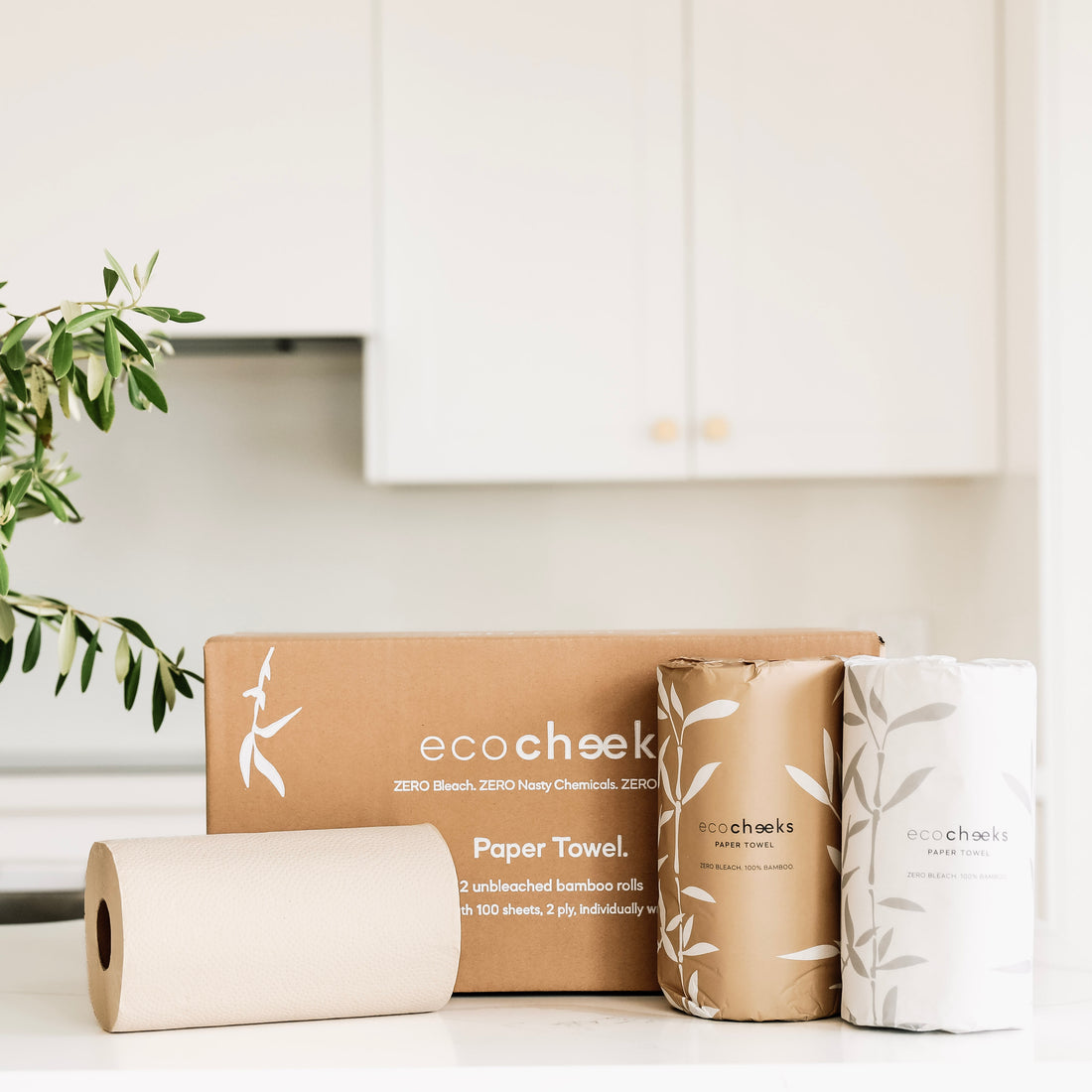
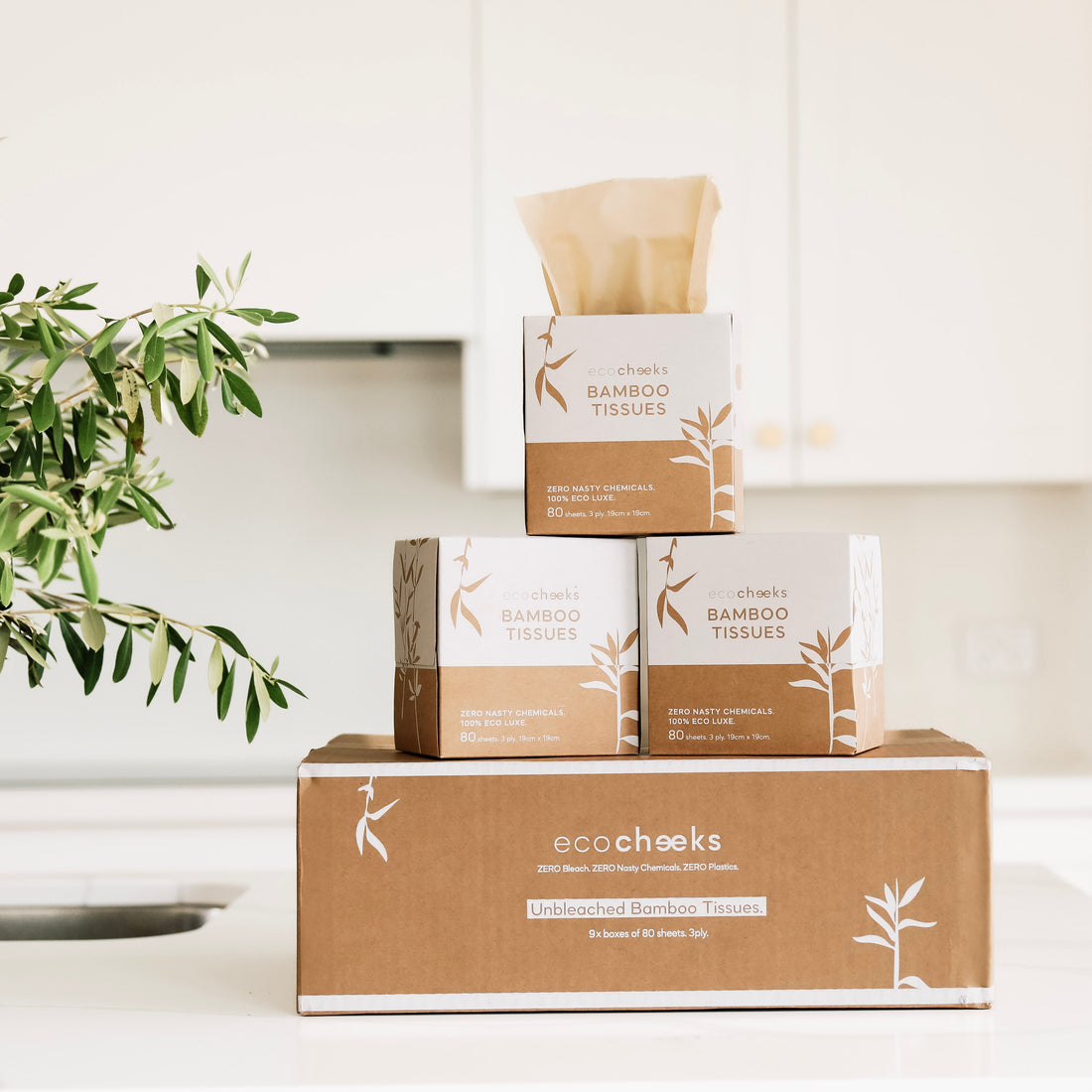
We pride ourselves on making the highest quality and sustainable toilet paper, tissue, and paper towels, so we don’t need to force people to buy with a discount.
Our products are loved by our customers (just check out our reviews!), so we don’t feel the need to discount to sell. The quality speaks for itself, every single roll.
3. Environmental impact
The surge in spending and consuming that comes with Black Friday means more products being manufactured, more packaging being used, and more items being shipped around the world. The carbon footprint is enormous.
Black Friday 2024 was expected to produce 429,000 metric tonnes of greenhouse gas emissions from order deliveries alone, the equivalent of around 239,664 return flights between Sydney and London. And that's just deliveries! It doesn't account for the emissions from manufacturing, packaging, or the waste generated by impulse purchases that quietly end up in a landfill shortly after. Woe indeed.
And beyond the emissions, there's the waste. Clothes and items impulsively bought during sales that don't fit, aren't needed, or simply don't get used, quietly make their way to landfills. It's a cycle that sits at odds with everything we stand for.
4. Slow-vember
We want to promote conscious and ethical consumption, and that means there's no rush in making a purchase. Slow down. Weigh up whether you actually need something before you buy it.
Our brand is about lightening our footprint as much as possible, and a big part of that is reducing unnecessary consumption.
Patagonia famously made a bold move by publishing a full-page ad saying "Don't Buy This Jacket" about exactly this idea. It's one of the most honest pieces of brand communication we've ever seen, and you can read about it here.
5. Honestly? We Don't Want the Stress
Selfishly, we also just don't want the chaos. Ensuring discount codes are working, hoping the website doesn't crash, managing an overloaded inbox, and spending Monday in a panic trying to fill as many orders as possible. No, thank you.
We'd rather continue with the stability of our brand, keep everyone sane and happy, and show up consistently for our customers year-round rather than sprinting through one chaotic weekend.
Is Black Friday actually encouraging overconsumption?
This one sits at the heart of it for us. Our products are designed to be better, not more. Better for your body, better for your bathroom, and better for the planet.
And when something genuinely works, it shouldn’t need a flash sale to prove it.
If anything, we’d rather you take your time, read the label, think it through, and buy what you actually need, not what a timer is pushing you toward.
What is the Environmental Impact of Black Friday shopping?
It’s easy to see a discount and think it’s saving money, but the environmental cost is a different story.
Massive spikes in ordering mean more production, more packaging, and more shipping emissions all at once. In fact, Black Friday delivery emissions alone have been estimated at hundreds of thousands of tonnes of CO₂ globally, the equivalent of hundreds of thousands of long-haul flights.
And that’s before we even talk about what happens after.
A lot of those impulse buys never really get used. Some end up forgotten in cupboards. Some end up in a landfill. It’s a cycle that doesn’t align with how we think about consumption at all.
A Final Note
This isn’t a dig at other small, independent, or ethical brands that choose to run sales. Everyone operates differently, and we respect that.
We’re also not saying don’t buy anything at all. If you need something, buy it. Just aim for the best version you can, and skip the pressure to buy things you don’t actually need.
Our recommendation? Spend your money on experiences and making memories rather than accumulating more things. Because the best things in life really aren't things. And remember, we have the power as consumers to push for positive change with a lot more than just our spending.
We have far more power than we think, not just in what we buy, but in what we choose to opt out of. 💛




1 comment
Wow! Brilliant… very well said!