
For a long time, disposable period products were treated as the only option. Pads and tampons were widely available, heavily marketed, and rarely questioned. But as conversations around health, sustainability, and waste have grown, more people are taking a closer look at what they use during their cycle and where it all ends up.
Reusable period care is no longer niche. It is becoming a practical, accessible alternative that offers benefits for both people and the planet, forming a key part of sustainable period care.
The Problem With Disposable Period Products
Disposable pads and tampons are often discussed in terms of waste, but the impact begins much closer to home, on our skin.
These products are used on intimate areas that are naturally more sensitive and absorbent than other parts of the body. Yet many disposable period products are heavily processed and made using chlorine bleach for whitening, synthetic fragrances, artificial dyes, and plastic backings or applicators. These materials sit directly against the skin for hours at a time, often during a point in the cycle when the body is already more sensitive.
With repeated use, exposure to these harsh chemicals and synthetic materials can contribute to:
-
-
Irritation, itching, or chafing
-
Disruption of the skin’s natural barrier
-
Increased sensitivity over time
- Absorption of harmful chemicals into our bodies, which build up, leading to other health implications
-
For some people, these effects appear quickly. For others, they build gradually over months or years of use. Either way, the cumulative impact on intimate skin is often overlooked.
Beyond their effect on the body, disposable period products also carry a high environmental cost. Over the course of a lifetime, a single person can use around 10,000–12,000 pads and/or tampons, nearly all of which end up in landfill, contributing to over 200,000 tonnes of landfill waste each year in Australia alone (Surf Coast Shire Council).
Most conventional pads contain plastic in their backing, adhesive strips, and packaging, materials that can take 300–500 years to break down, if they break down completely at all. Tampon applicators and wrappers frequently escape waste systems altogether, ending up in waterways where they contribute to microplastic pollution and pose a risk to marine life.
Once discarded, plastics and chemical residues can leach into soil and water, creating long-lasting environmental contamination. What is used for just a few hours can leave an impact that lasts for generations.
The Rise of Reusable Period Care Options
As awareness has grown, so too has the range of eco-friendly period products available in local markets. Reusable period care is no longer limited to a single option.
Today, there are a variety of products designed to suit different bodies, lifestyles, and comfort preferences.
Popular reusable period care options include:
-
-
Period underwear
-
Menstrual cups
-
Menstrual discs
-
Reusable cloth pads
-
While there can be a short adjustment period, many people find reusable products more comfortable than disposable alternatives. They tend to stay in place better, feel more breathable against the skin, and reduce chafing, particularly during longer days or overnight use.
Reusable options also offer greater day-to-day convenience. Instead of needing to restock disposable products every month, they can be washed at home and reused, meaning you always have a reliable supply on hand. For many, this removes the stress of running out or making last-minute purchases.
Over time, reusable period care can lead to meaningful cost savings. For example, a high-quality menstrual cup typically costs around $40–50 AUD and can last up to 10 years, compared to purchasing disposable pads or tampons every month from your first period through to menopause. The financial difference adds up quickly.
Together, these benefits make reusable products a cornerstone of zero-waste period practices. By reducing reliance on single-use plastics and cutting down household waste, reusable period care supports a more sustainable, low-impact approach to managing your cycle.
Health and Comfort Benefits
One of the biggest wins when switching to reusable period care is comfort and skin health. Reusable products are often made from breathable, hypoallergenic materials and are designed without unnecessary chemicals. Avoiding bleach, synthetic fragrances, and plastic layers can make a tangible difference for those with sensitivities or allergies.
Choosing toxin-free period care can help:
-
-
Reduce irritation and chafing
-
Support natural airflow and comfort
-
Minimise exposure to unnecessary chemicals
-
This aligns closely with the broader shift toward gentler, more considered everyday products. Period care is not separate from overall well-being - it is part of it.
Environmental Impact of Reusable Period Products
The environmental benefits of sustainable period care are significant. By switching to reusables, a single person can prevent thousands of disposable products from entering landfills or waterways over a lifetime. Fewer disposables also mean less plastic production, lower transport emissions, and reduced pressure on waste systems.
Small changes, repeated every cycle, add up over time. Choosing eco-friendly period products is one of the most effective ways to reduce bathroom waste without sacrificing comfort or hygiene.
Caring for Reusable Period Products
Reusable period products are designed to last for years when cared for properly. Most come with easy-to-follow instructions to maintain hygiene and performance while extending their lifespan.
For example, cloth-based products like period underwear, pads, or liners often suggest these steps:
-
-
Rinse in cool water after use
-
Wash with like colours in your regular laundry
-
Avoid bleach, fabric softeners, and harsh stain removers, which can reduce performance and lifespan
-
Recommended to dry in the sun due to the sun’s natural disinfectant and natural stain remover.
-
With consistent, gentle care, reusable period products retain their effectiveness and comfort for years. This longevity is one of the key reasons they are considered a practical and sustainable period care option, reducing both waste and the need for frequent replacements.
Supporting Sustainable Brands
Choosing reusable period care is also about supporting brands that prioritise ethical production, safe materials, and sustainability. Trusted brands include:
-
-
Modibodi for period underwear
-
Boody for comfortable, breathable underwear
-
Lunette for menstrual cups
-
Tom’s Organic for reusable pads
-
Creating a More Sustainable Bathroom
Reusable period care is often a gateway to other low-waste bathroom swaps. Once you start questioning one everyday product, it can lead to more thoughtful choices across your home.
For more ideas for a sustainable bathroom, check out our guide to simple plastic-free bathroom swaps and sustainable essentials that help reduce waste without overcomplicating daily routines.
Small Changes, Big Impact
Switching to reusable period products is a small change with big benefits—for your skin, your wallet, and the planet. Healthy period care is about comfort, safety, and sustainability. Making mindful choices today reduces unnecessary exposure to harsh chemicals and lowers the environmental footprint of your cycle for decades to come.
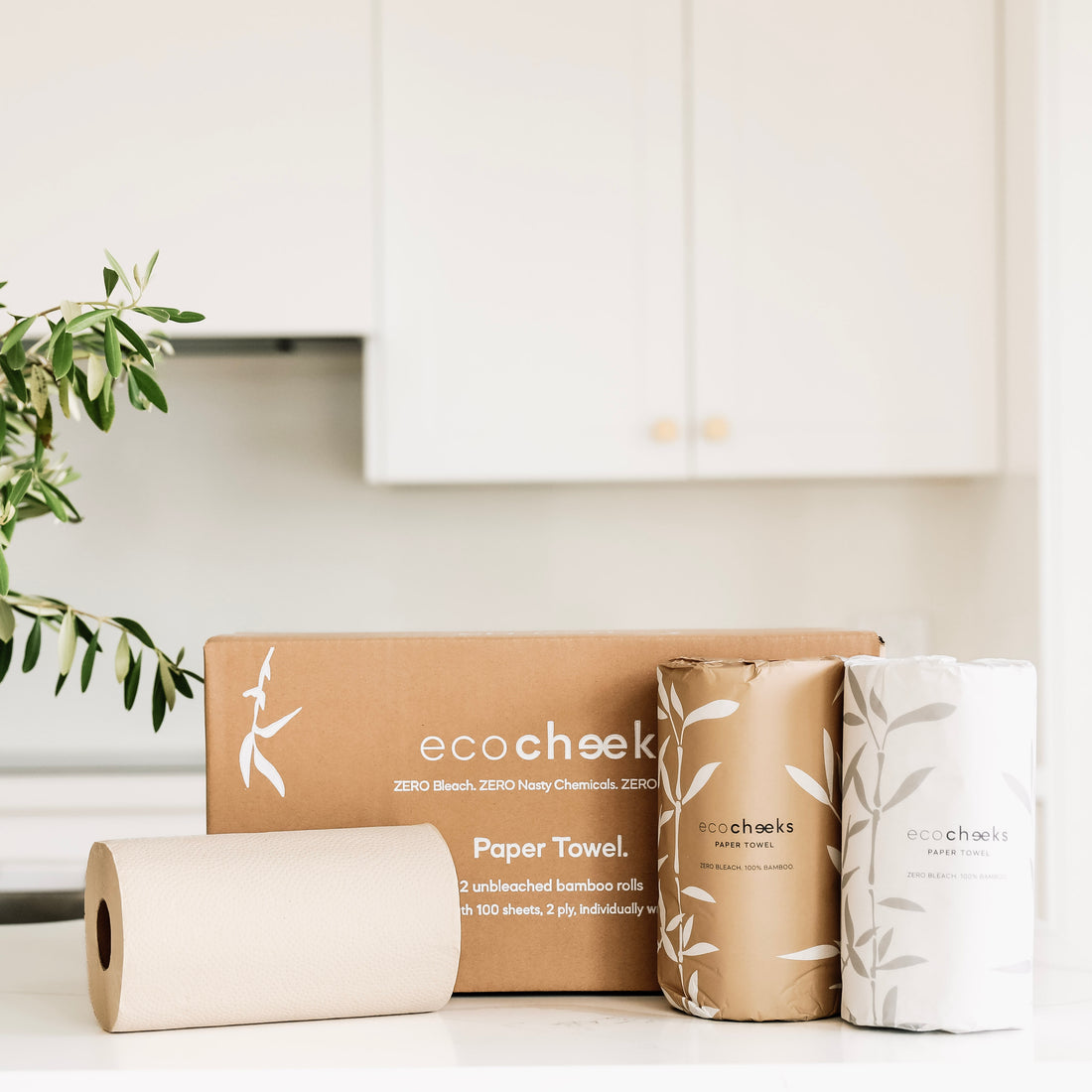
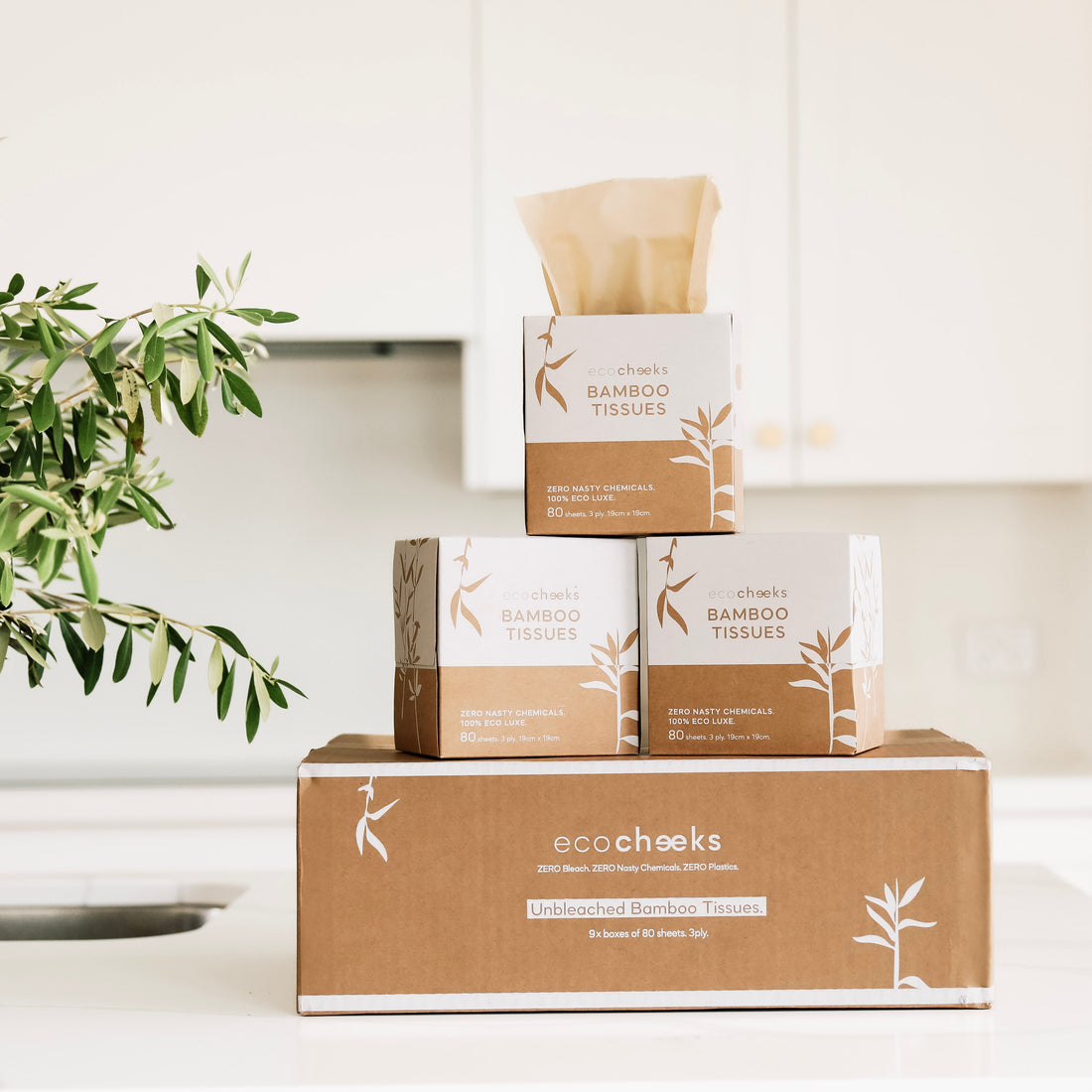
Explore Eco Cheeks’ 100% bamboo, unbleached toilet paper & tissue bundles for your sustainable bathroom. Bulk-buy your favourite products, save money, and give your cheeks (and the planet) something to smile about.