
Every year on the last Saturday of March, something quietly remarkable happens. Across more than 190 countries, people turn off their lights, step away from their screens, and spend an hour doing something that has nothing to do with consumption, productivity, or scrolling. They just... exist. Together. In the dark.
Earth Hour started right here in Sydney back in 2007, and what began as a local switch-off has grown into one of the most recognised environmental movements on the planet. It's organised by WWF, and it happens every year from 8:30 pm to 9:30 pm local time. One hour. No big commitment. Just a simple, collective act that says we care about this planet more than we care about keeping the lights on.
This is the third and final instalment of our MARCHing for Nature series. We've talked forests, we've talked clean-ups, and now we're talking about the one night a year where doing less is genuinely doing more.
What is Earth Hour and Why Does It Matter?
Earth Hour is a worldwide climate action event where individuals, households, businesses, and landmarks switch off non-essential lights and appliances for one hour. It matters not because of the energy saved in that single hour, but because of the conversation it starts and the habits it inspires.
The WWF describes Earth Hour as a moment to show decision makers that people care about the future of the planet. Millions of participants across 190-plus countries send a pretty clear message. And beyond the symbolism, it's also just a genuinely lovely way to spend a Saturday evening.
8 Things to Do During Earth Hour
1. Host a Candlelit Dinner
Dig out the good plates, light every candle in the house, and turn dinner into an occasion. There's something about candlelight that makes even a simple meal feel a bit special. Bonus points for cooking something seasonal and local before the hour begins, so you're not fumbling around a dark kitchen.
2. Head Outside and Look Up
If you can get away from the glow of street lights, Earth Hour is one of the best nights of the year to stargaze. Even in the suburbs, switching off your outdoor lights and letting your eyes adjust makes a surprising difference. Grab a blanket, lie on the grass, and remember that the universe is very large and very beautiful.
3. Go for a Nighttime Walk or Ride
There's something genuinely different about being outside after dark. A quiet walk around the neighbourhood, a bike ride along a local path, or even just sitting in the backyard listening to what's actually out there. Earth Hour falls at the tail end of summer in most parts of Australia, so the weather is usually perfect for it.
4. Play Board Games by Torchlight
Drag out Scrabble, Uno, or whatever lives at the back of the cupboard and hasn't been touched since the last power outage. No screens, no background noise, just people actually talking to each other. Kids especially love the novelty of it, and it's a nice way to explain why Earth Hour exists in a context that actually makes sense to them.
5. Do a Nighttime Nature Walk
Parks, beaches, and bushland feel completely different after dark. If you've got a nature reserve or coastal walk nearby, Earth Hour is a great excuse to explore it with a torch. You might spot nocturnal wildlife, hear things you'd never notice during the day, and come home feeling genuinely more connected to the natural world.
6. Journal, Meditate, or Just Sit Quietly
This one sounds simple because it is. Put the phone down, turn the lights off, and spend an hour with your own thoughts. Whether that's journaling about what sustainability means to you, meditating, or just sitting on the back step with a cup of tea and listening to the night, it's a surprisingly effective reset.
7. Organise a Neighbourhood Cleanup
Get a small group together and use the lead-up to Earth Hour to tidy up your local street, park, or beach before the sun goes down. It ties in beautifully with the spirit of Clean Up Australia Day, which falls earlier in March, and it's a great way to turn the evening into something with a visible, tangible outcome.
8. Make a Pledge That Sticks Beyond the Hour
Earth Hour works best as a starting point, not a finish line. Use the hour to think about one habit you could change, one swap you could make, or one thing you could do less of. It doesn't have to be dramatic. Switching to bamboo toilet paper, buying in bulk to reduce packaging, choosing fragrance-free products, and carrying a reusable bag. Small decisions compound over time into something genuinely meaningful.
How Does Earth Hour Connect to Everyday Sustainability?
The real power of Earth Hour isn't in the hour itself. It's in the mindset shift it nudges people toward. Turning off the lights for 60 minutes is symbolic. But it gets people thinking about energy, consumption, and impact in a way that tends to stick.
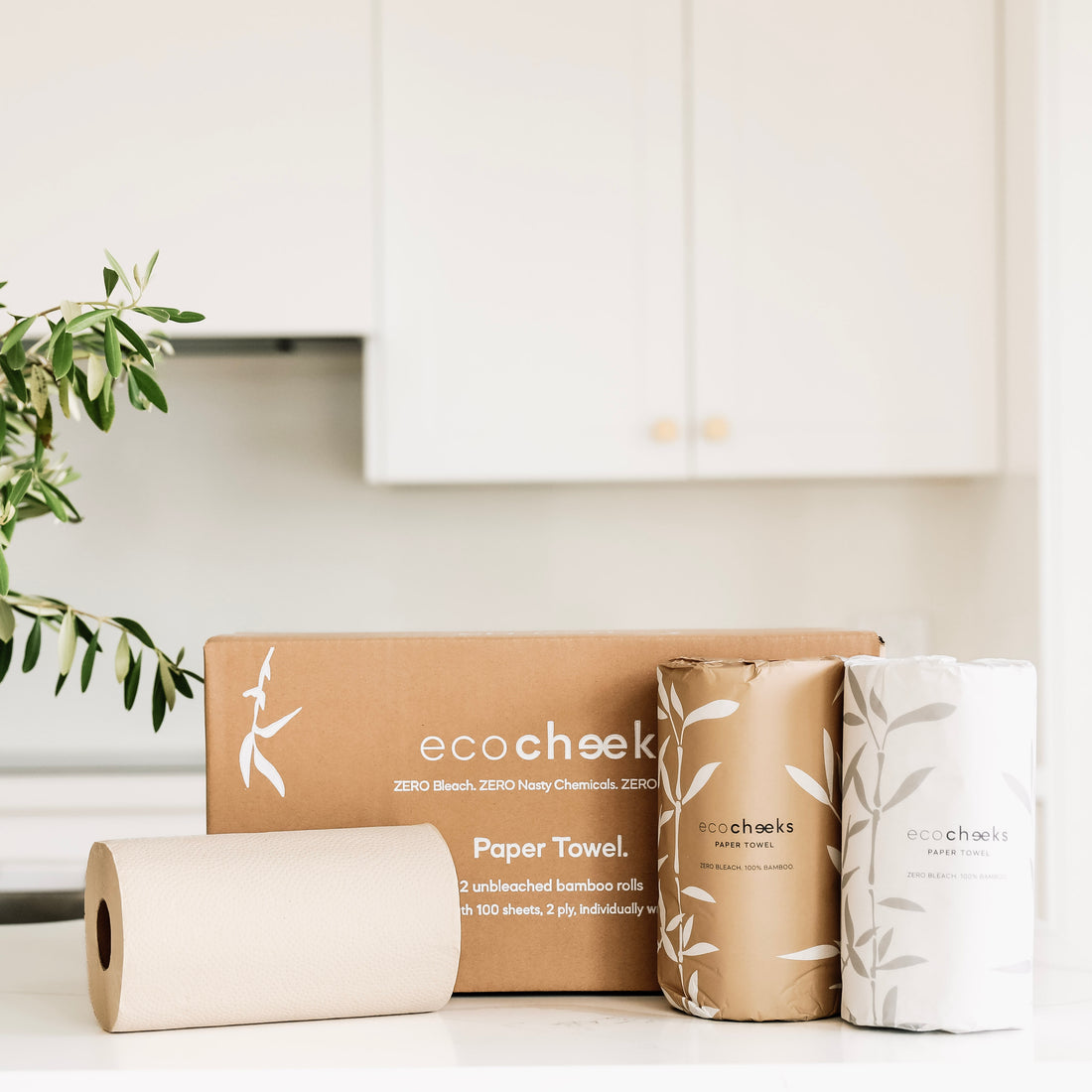
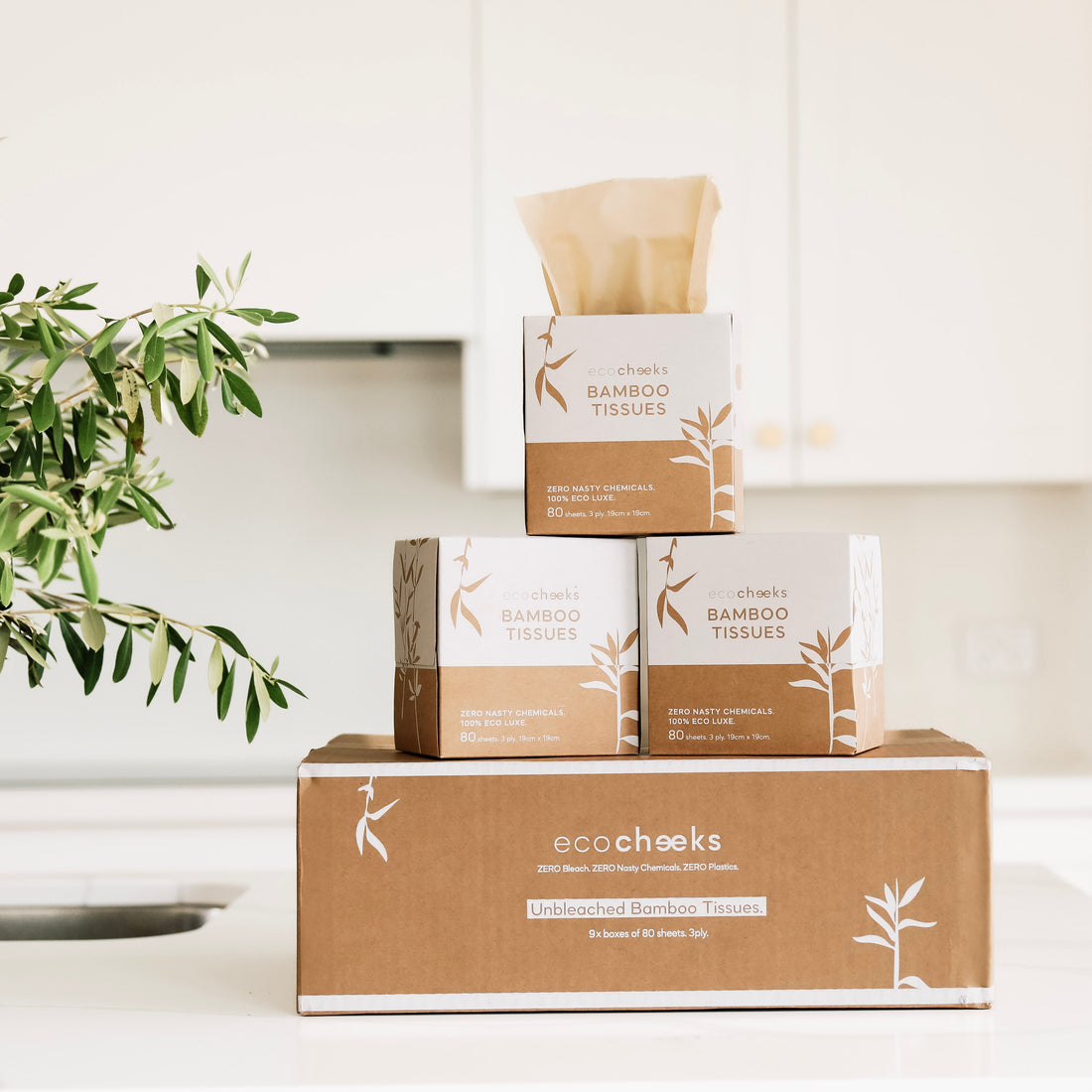
That's the same thinking behind every product Eco Cheeks makes. Our 100% bamboo toilet paper, tissues, and paper towels are designed for households that want to make genuinely better choices without overhauling their entire routine. Plastic-free, unbleached, and free from synthetic fragrances and dyes. The kind of swap you make once and then never think about again, because it just becomes the new normal.
If Earth Hour gets you thinking about where else you could reduce your footprint, we'd love to be part of that. Browse the full Eco Cheeks range and read more about why we started Our Story.
See you on the other side of the switch-off. 🌏