
Expert Contributor: This article includes insights from Jacqueline Evans, Clinical Nutritionist, Naturopath, and Skin Care Formulator.
We're taught from a pretty young age that bacteria are something to get rid of.
Wash your hands. Scrub your skin. Buy the antibacterial version. If a product promises to kill 99.9% of germs, even better.
Except when it comes to your skin and body, bacteria aren't necessarily the enemy.
As Jacqui Evans explains, healthy skin isn't about making the skin sterile. It's about supporting a balanced, resilient ecosystem.
Which raises an interesting question: if we're constantly washing, wiping, scrubbing, and exposing our skin to fragranced, antibacterial, or heavily processed products, could we be disrupting something our bodies have worked pretty hard to create?
And should a gentler bathroom routine be about more than just what feels nice on our skin?
What is the Skin Microbiome?
The skin microbiome is the community of bacteria, fungi, viruses, and other microorganisms that naturally live on your skin. While that might sound slightly alarming, these microorganisms are supposed to be there.
Jacqui compares the skin microbiome to a garden. When a garden is healthy and diverse, it is harder for one weed to suddenly take over. But if you strip everything back and repeatedly disrupt that environment, you can create an opportunity for something else to move in and dominate.
Your skin microbiome is not just sitting on the surface doing nothing. It interacts with the skin, the immune system, and the skin barrier itself. Many of these microbes help maintain balance by taking up space, competing for nutrients, and making it harder for less welcome organisms to overgrow.
In other words, healthy skin isn't just about what you put on top of it. There is already a lot happening on the surface before your skincare routine even begins.
Why is the Skin Microbiome Important?
Your skin's microbiome helps support one of the body's most important jobs: protecting you from the outside world. It works closely with your skin barrier, the outermost protective layer that helps retain moisture and defend against irritants, pollutants, and potential pathogens.
When that barrier is disrupted, the environment in which your skin microbes live can change too. Dryness, sensitivity, irritation, and reactivity can sometimes follow.
Jacqui also notes that ongoing disruption may contribute to inflammatory skin concerns such as acne, eczema and rosacea. That is why healthy skin is not simply about removing everything that sounds like bacteria. It is about supporting balance.
So while moisturiser and SPF absolutely have their place, supporting healthy skin goes beyond what is sitting in your skincare cabinet. Sometimes it is also about what your skin is exposed to every day.
Can Bathroom Products Affect Your Skin Microbiome?
Yes, everyday bathroom products can influence both your skin barrier and the environment your skin microbiome lives in, especially when they are used frequently.
Think about how many products your skin encounters in the bathroom alone: soap, body wash, shampoo, deodorant, cleansers, laundry products, tissues, toilet paper, fragrances, and antibacterial products. Some are rinsed off quickly, while others touch your skin repeatedly or come into contact with more delicate areas.
Jacqui says one of the biggest issues is often overdoing it.
Harsh soaps and cleansers, frequent exfoliation, very hot water, and excessive use of antibacterial products can all strip away some of the natural oils and lipids that help support the skin barrier. When that barrier becomes compromised, skin may become drier, more reactive, and more vulnerable to irritation.
And because the skin barrier and microbiome are so closely connected, disrupting one can influence the other.
This does not mean you need to become afraid of every product in your bathroom. Hygiene matters. Cleansing matters. There are absolutely times when antibacterial products are appropriate.
But there is a difference between good hygiene and constantly trying to sterilise your skin.
Can Over-Cleansing Disrupt Healthy Skin?
Yes, over-cleansing can work against healthy skin, especially if it leaves your skin feeling tight, dry, or uncomfortable afterwards.
For a long time, many of us have associated that squeaky-clean feeling with having properly cleaned our skin. But skin that feels stripped after washing may actually be telling you that too much has been removed.
Your skin has natural oils and lipids, a slightly acidic surface, a physical barrier, and a whole community of microorganisms living on it. The goal is not to scrub all of that away.
As Jacqui explains, we are beginning to move away from the idea that more cleansing automatically equals healthier skin.
Supporting healthy skin means allowing the skin barrier and microbiome to do what they are designed to do. That can mean choosing gentler cleansers, avoiding excessive exfoliation, being mindful of very hot water, and questioning whether every product needs to be fragranced, antibacterial, or heavily processed.
Sometimes, gentler really is better.
Is Face Skincare Enough for Overall Healthy Skin?
Not always. Face skincare matters, but healthy skin is influenced by far more than the serums, moisturisers and cleansers we deliberately apply.
Your skin is constantly interacting with the world around it. Your laundry detergent sits against your body all day. Your hand wash may be used multiple times a day. Your body wash, towels, tissues, and toilet paper all become part of your skin's everyday environment too.
These products might not traditionally be considered skincare, but they still touch your skin.
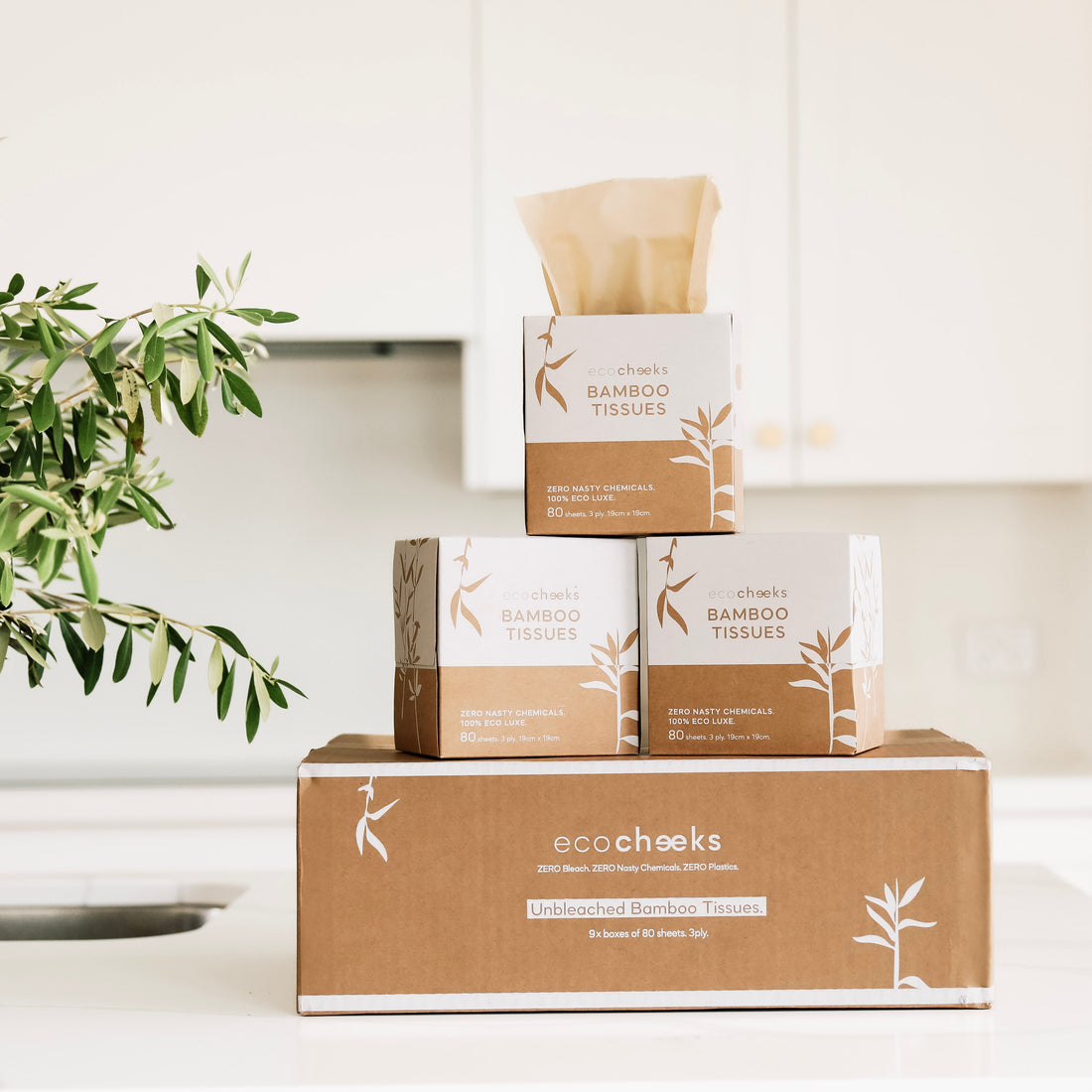
Facial tissues, for example, may contain added fragrances, dyes, lotions, or softeners. Extras we do not necessarily think about when reaching for a tissue. Frequent exposure to harsh ingredients does not affect everyone the same way, but for some people, it may contribute to irritation or disrupt the skin's natural barrier over time.
If you're taking a closer look at the everyday products that touch your skin, our guide to Why Sensitive Skin Needs Toxin-Free Facial Tissues explores what may be hiding in conventional tissues and why simpler alternatives are worth considering.
It is not about suggesting one product will suddenly disrupt your entire skin microbiome. It is about recognising that skin health does not exist in isolation. Your skin is constantly interacting with its environment, and everything you repeatedly expose it to can be part of that bigger picture.
Can Toilet Paper Make a Difference to Your Skin?
It might seem like an unusual product to think about in relation to your skin, but toilet paper is one of the most frequently used products in any household and comes into direct contact with particularly sensitive areas.
Most of us probably have not given much thought to what toilet paper is actually made from. We tend to buy whatever is convenient, on special, or soft enough to avoid complaints from the household.
But when you start thinking beyond face skincare and traditional body care, toilet paper becomes a pretty obvious product to reconsider.
Many conventional toilet papers are made from virgin wood pulp and may undergo extensive whitening to achieve a bright white appearance. Some also contain added fragrances, dyes, or other extras that are not there because your skin needs them. They are often there for presentation.
For people with sensitive, reactive, or compromised skin, choosing a more minimally processed alternative without unnecessary extras can be a sensible place to start.
Eco Cheeks bamboo toilet paper is made without chlorine bleach, synthetic fragrances, or added dyes. It is also plastic-free and designed for households looking for skin-friendly products that are kinder to both their bodies and the environment.
Like many low-tox swaps, it may seem small at first, but when it’s something you use every day, that choice can add up one day at a time.
How Can I Create a More Skin Microbiome-Friendly Bathroom?
Creating a more skin microbiome-friendly bathroom does not require an expensive skincare routine or a full cupboard overhaul. Often, it is about simplifying.
Jacqui suggests starting with three practical changes.
1. Simplify your cleansing.
Choose gentle products and avoid over-cleansing. If your skin regularly feels tight or dry after washing, that may be a sign you are stripping away too much.
2. Start reading labels.
Have a look at what you are actually using every day. Fragrance, dyes, and other unnecessary extras can appear in more products than we realise. You do not need to fear every ingredient, but becoming more aware of what is in your products is a good place to start.
3. Think beyond traditional skincare.
Look at everything that regularly comes into contact with your skin: body wash, hand wash, laundry products, tissues and toilet paper. Small swaps, like choosing simpler, unbleached and fragrance-free options, can all be part of creating a more skin-friendly environment.
And importantly, you do not need to throw everything out and start again. That can become expensive, overwhelming, and wasteful very quickly.
As products run out or expire, simply start replacing them with simpler, lower-tox options where you can.
Your bathroom does not need to be perfect by Friday.
A Gentle Reminder: Let Your Skin Do Its Thing
Your skin has been looking after you long before you ever started reading ingredient labels.
Every day, its natural microbiome works quietly to protect, restore, and support your skin, often without you even noticing. The goal is not to make your skin sterile. It is to support the balanced ecosystem that already exists.
A more skin-friendly bathroom does not require fear, perfection, or replacing everything overnight. It starts with paying attention to the products you use most often, especially the ones that touch your skin every day.
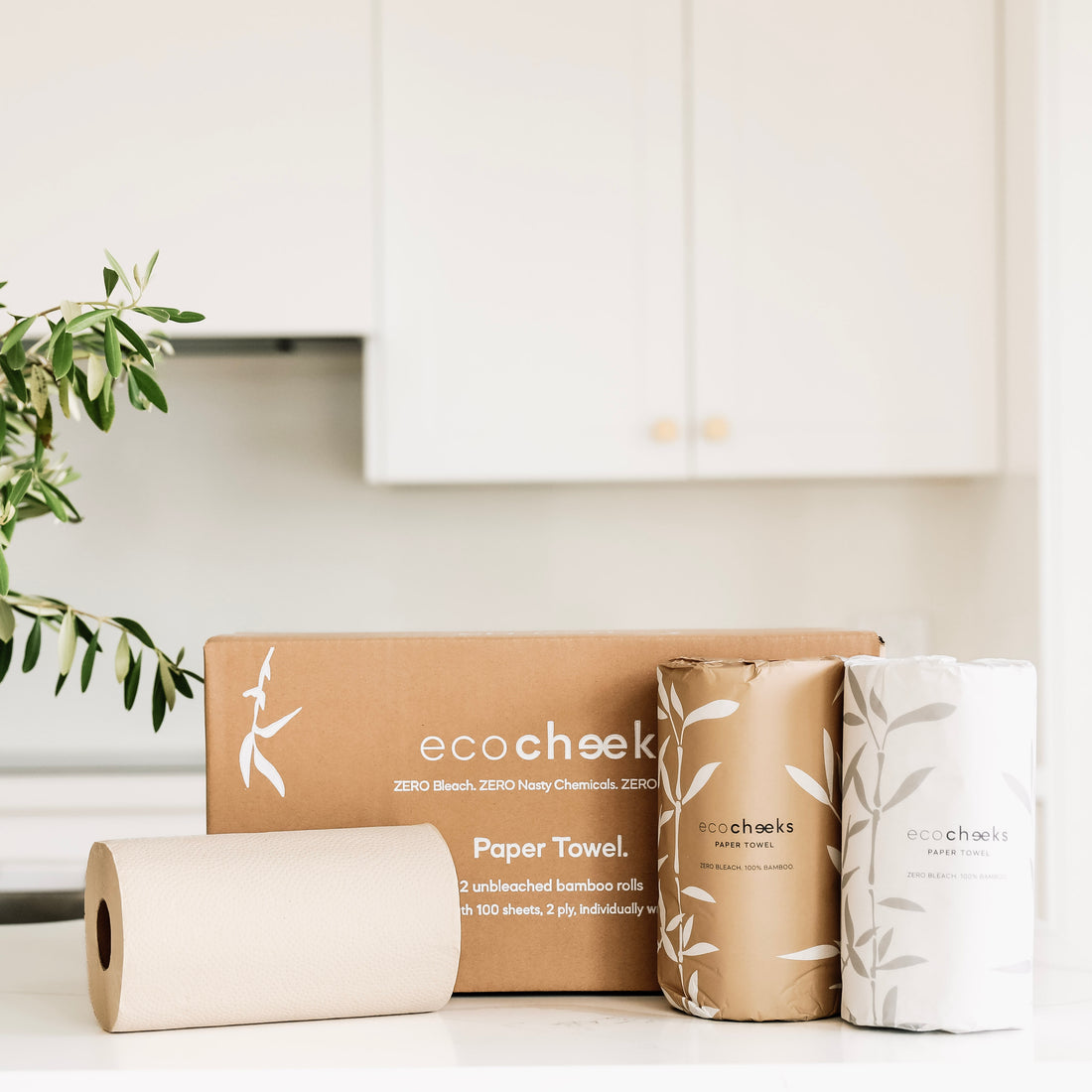
At Eco Cheeks, we believe your bathroom essentials should be gentle by design. That's why our bamboo toilet paper, tissues, and paper towels are made without unnecessary fragrances, dyes, or harsh bleaching: simple, thoughtfully made products that are kinder to your skin and better for the planet.
Ready to make your bathroom a little gentler?
Explore Eco Cheeks bamboo toilet paper, tissues, and paper towels, and start with the everyday essentials your skin meets most.