
April is Earth Month, and we're marking it the best way we know how. Not with a lengthy guilt trip about the state of the planet, but with a practical, achievable, genuinely fun challenge that proves sustainable living doesn't have to mean selling your car and moving into a yurt.
Thirty days. Thirty swaps. One slightly greener version of your everyday life by the end of it.
The idea is simple. Each week focuses on a different area of your life, with five small, actionable changes to try. You don't have to nail every single one. Just pick up what resonates, skip what doesn't, and see how it feels by day thirty. No yurt required.
Days 1 to 5: The Kitchen
The kitchen is where a lot of household waste is quietly generated, which is a bit inconvenient given it's also where the snacks are. Start here.
-
-
Ditch single-use plastic bags for beeswax wraps or reusable silicone bags
-
Swap plastic utensils for bamboo or stainless steel when they need replacing
-
Try meal planning for the week to cook with intention and actually use what's in the fridge before it turns into a science experiment
-
Buy nuts, seeds, and grains in bulk to cut down on packaging
-
Start a bench-top compost bin for food scraps. Your garden will love you for it
-
Days 6 to 10: Conscious Consumption
This is the week to slow down and think about what you're actually buying, and why. Spoiler: you probably don't need it.
-
-
Buy one thing secondhand this week, whether that's clothing, homewares, or books
-
Look for products with minimal or recyclable packaging when restocking
-
Support local and sustainable Aussie brands where possible
-
Unplug electronics when not in use and make the most of natural light during the day
-
Declutter and donate unused items rather than binning them. One person's clutter is another person's treasure
-
Days 11 to 15: Getting Around
Transport is one of the biggest contributors to household emissions, and small changes here add up quickly. Yes, even in Australia, where everything is very far from everything else.
-
-
Walk or ride for short trips instead of jumping in the car
-
Try public transport or organise a carpool with a colleague
-
Choose trains or coaches over flying for longer trips where possible
-
Work from home one or two days a week, if that's an option, your commute will thank you
-
If you're in the market for a new vehicle, look into electric or hybrid options
-
Days 16 to 20: Self-Care Without the Waste
Sustainable self-care is less about giving things up and more about choosing better versions of what you already use. Your bathroom cabinet is probably overdue for a good edit anyway.
-
-
Switch to natural skincare free from synthetic fragrances and microplastics
-
Try a DIY face mask or scrub using ingredients already in your pantry
-
Make the switch to a bamboo toothbrush
-
Consider reusable menstrual products if that's relevant to you
-
Use up what you already have before buying new. Those seventeen half-empty bottles in the bathroom are not going to finish themselves
-
Days 21 to 25: Reducing Waste at Home
This week is about looking at what leaves your house and asking whether it has to. Short answer: a lot of it doesn't.
-
-
Say no to single-use straws, cutlery, water bottles, and coffee cups
-
Invest in a water filter if you regularly buy bottled water
-
Explore cloth nappies if you have little ones, both planet and wallet-friendly
-
Get across what can actually be recycled in your local council area. Most Australians are genuinely surprised by what's on the list
-
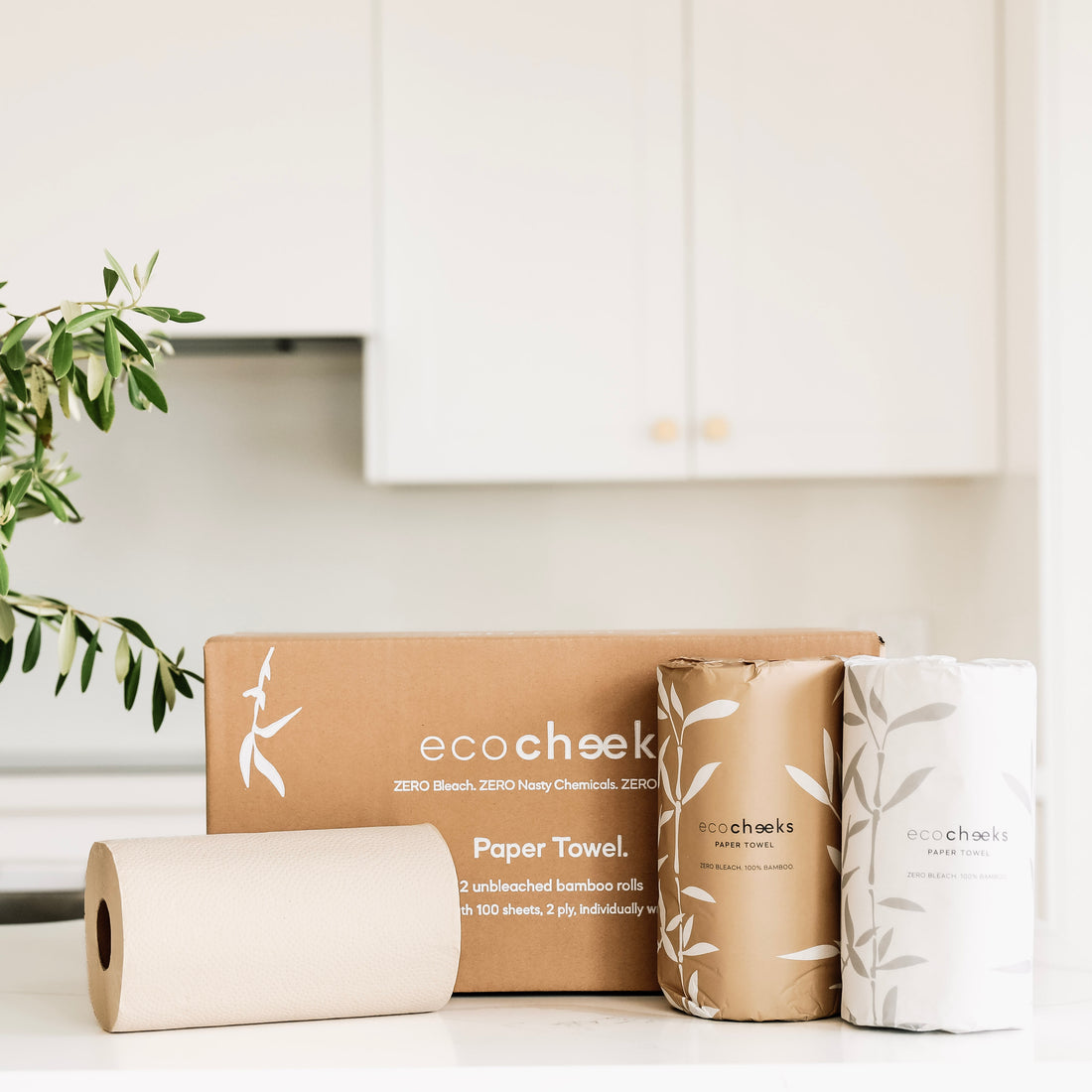
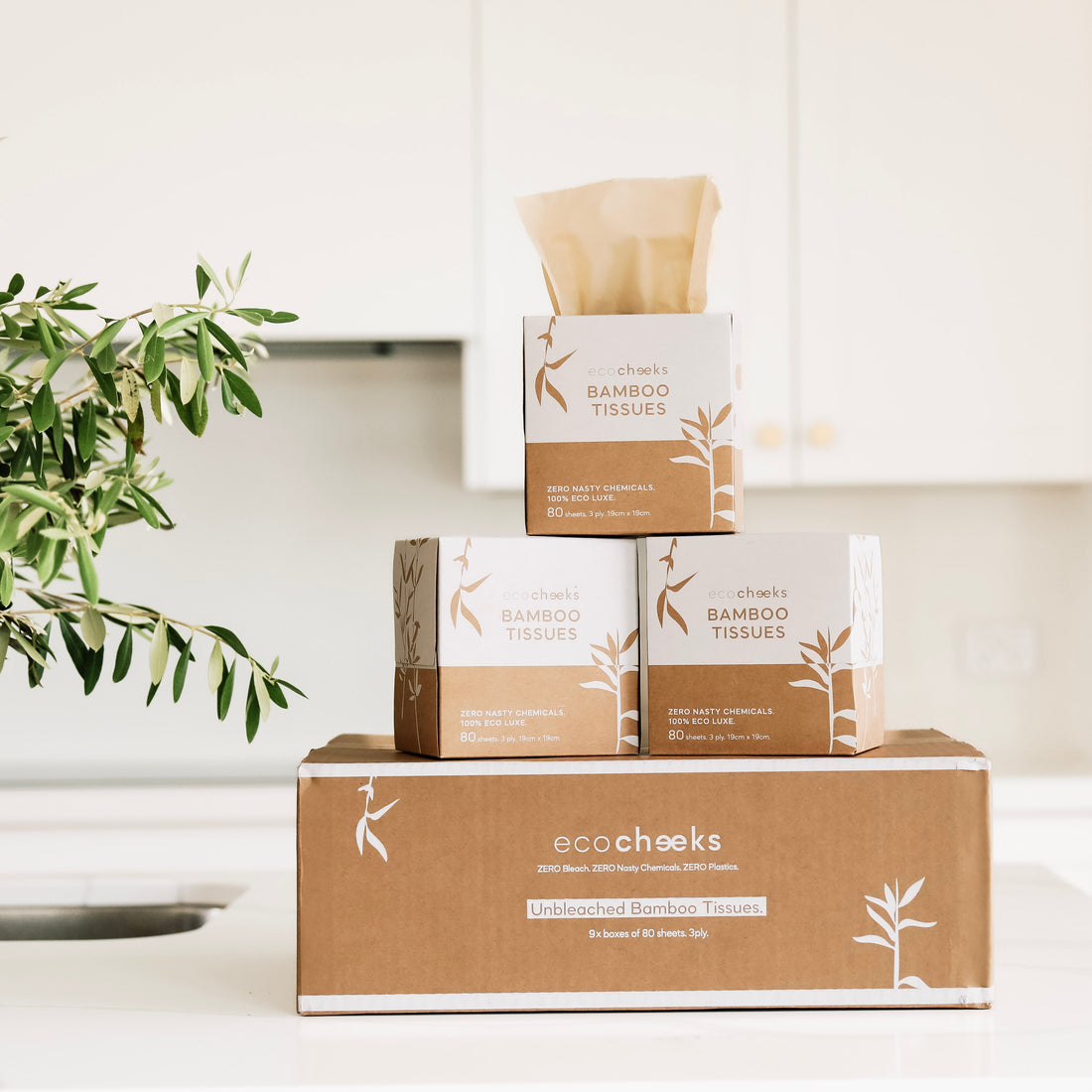
Switch your toilet paper, tissues, and paper towels to plastic-free bamboo alternatives. Your cheeks will thank you
-
Days 26 to 30: Show Up for Your Community
The final stretch is about taking the energy you've built over the month and sharing it. You've come this far. Don't go quiet now.
-
-
Share what you've been trying on social media to normalise it for the people around you
-
Have a conversation with someone about one swap that's worked for you
-
Write to a local representative about an environmental issue you care about
-
Reflect on what you've actually changed over the past thirty days. Even small shifts genuinely matter
Is Earth Month the Best Time to Start Living More Sustainably?
Honestly, any time is a good time. But there's something about a collective moment, millions of people around the world spending April thinking about their impact, that makes it easier to start and easier to stick with it.
The swaps that tend to stick are the ones that require zero ongoing effort once you've made them. Switching your household paper products to bamboo is exactly that kind of change. Eco Cheeks 100% bamboo toilet paper, tissues, and paper towels are plastic-free, unbleached, and free from synthetic fragrances and dyes. Make the switch once, and you're done. Browse the full bundle range here.
Thirty days is enough time to build a habit. It's also enough time to prove to yourself that sustainable living isn't a sacrifice. It's just a slightly better, slightly less wasteful, considerably more satisfying version of what you were already doing.