
A new year always brings that fresh-start feeling. The motivation to reset routines, clear out habits that are no longer serving us, and make choices that feel a little better for ourselves, our homes, and the planet.
But when it comes to sustainable living, it’s easy to feel like you need to do everything perfectly for it to count. The reality? Most lasting change happens through small, realistic habits that naturally become part of everyday life.
And honestly, that is good news.
Creating a more eco-friendly lifestyle in 2024 does not need to involve zero-waste perfection, expensive overhauls, or throwing out everything you already own. A few thoughtful swaps and more mindful habits can make a surprisingly big difference over time.
Why are More People Embracing Slower, Simpler Living?
Constant overconsumption creates clutter, waste, and often a lot of mental overwhelm, too. Buying less, choosing better quality products, and simplifying what comes into the home can naturally reduce environmental impact while also making day-to-day life feel calmer.
That does not mean living with nothing or creating a perfectly aesthetic minimalist house. It simply means becoming more thoughtful about what you actually use, need, and value.
What are Realistic, Eco-Friendly Habits to Start in 2024?
Simple changes like reducing single-use plastics, wasting less food, choosing reusable household items, or switching to lower-toxic products can all help reduce environmental impact without making daily life harder.
The most sustainable habits are usually the ones that actually fit into real life. Think less perfection, more progress.
The key is starting small enough that the habits stick.
1. Reduce Single-Use Plastics
One of the easiest places to begin is with the plastic items you use most often. Single-use plastics tend to quietly build up in everyday routines: cling wrap in the kitchen, takeaway coffee cups, disposable water bottles, produce bags, and packaging from household products.
A few simple swaps can significantly reduce waste over time:
-
-
-
-
Carrying a reusable water bottle or coffee cup
-
Using beeswax wraps or reusable containers instead of cling wrap
-
Bringing reusable shopping and produce bags
-
Choosing products with minimal or plastic-free packaging
-
Swapping disposable kitchen items for reusable alternatives
-
-
-
The goal is not to eliminate plastic overnight, but to reduce how much unnecessary plastic comes into your home in the first place.
2. Adopt Plant-Based Meals into Your Diet
Can eating less meat really help the environment? Producing meat generally requires more land, water, and energy than plant-based foods, which is why reducing overall meat consumption can help lower environmental impact over time.
For many households, adding more plant-based meals to the week can be a surprisingly impactful change.
That does not mean you need to become fully vegetarian overnight. Even introducing a few more plant-based dinners each week can make a difference.
And these days, there are plenty of genuinely delicious options that do not feel restrictive or complicated.
3. Use Less Energy at Home
Creating a greener home often starts with the habits we barely think about. Simple changes like turning off unused lights, using energy-efficient appliances, washing clothes in cold water, or switching to LED bulbs can all help reduce household energy use over time.
You can also:
-
-
-
-
Unplug appliances when not in use
-
Air-dry clothes where possible
-
Use ceiling fans before reaching for air conditioning
-
Install a smart thermostat or energy-efficient lighting
-
Be mindful of heating and cooling usage during extreme weather
-
-
-
Most of these habits save money as well, which is always a nice bonus.
4. Support Local and Sustainable Brands
Where we spend our money matters; supporting local businesses and brands that prioritise sustainability, ethical sourcing, lower-toxic materials, and eco-friendly packaging helps encourage better industry practices overall.
And often, smaller sustainable brands are creating genuinely thoughtful alternatives to products people already use every day.
Even small purchasing decisions can help shift demand toward more responsible production over time.
5. Grow Something at Home
You do not need a full veggie garden to connect more with sustainable living. A few herbs on the windowsill, indoor plants in the kitchen, or a small veggie patch can help create more awareness around food, waste, and the environment in a way that feels practical and grounding.
Plus, plants genuinely make a home feel fresher and calmer. And if you have ever kept basil alive longer than two weeks, honestly, that is already a win.
6. Reduce Water Waste
Water conservation often comes down to small daily habits. Things like fixing leaks, taking shorter showers, turning the tap off while brushing your teeth, and using water-efficient appliances can all add up significantly over time.
You can also:
-
-
-
-
Run dishwashers and washing machines only when full
-
Collect rainwater for gardens where possible
-
Water plants earlier in the morning or later in the evening
-
Be more mindful of unnecessary water use around the home
-
-
-
Simple changes really do make a difference.
7. Waste Less Food
Food waste is one of the easiest areas to improve once you start paying attention to it. Planning meals, using leftovers creatively, storing food properly, and only buying what you realistically need can reduce both waste and grocery costs.
A few easy habits include:
-
-
-
-
Freezing leftovers before they go bad
-
Planning meals before grocery shopping
-
Using older ingredients first
-
Composting food scraps where possible
-
Storing herbs and produce properly to make them last longer
-
-
-
Less waste, less stress, fewer mystery containers in the fridge.
Switch to Bamboo Tissues
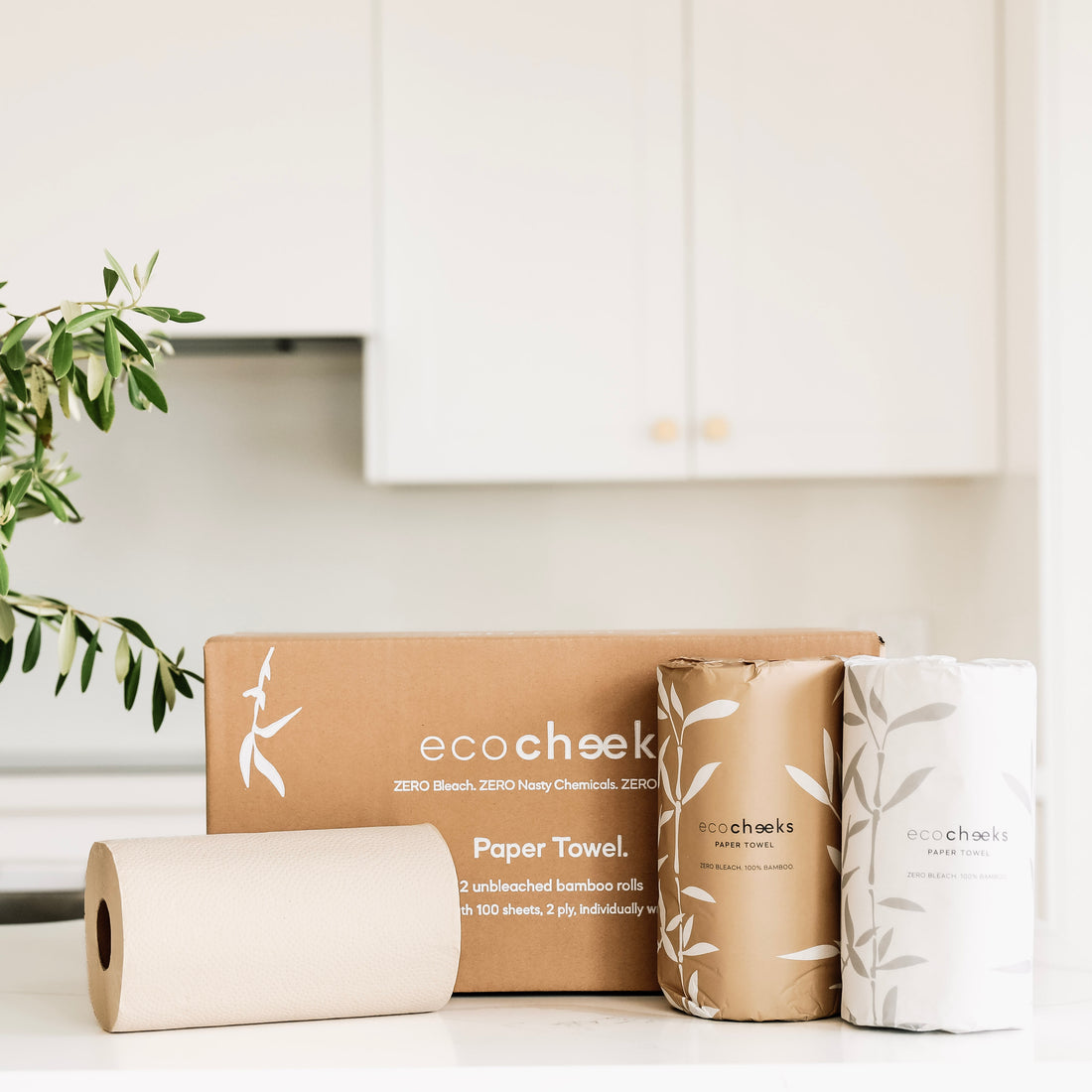
Traditional paper products are often made from virgin tree pulp and heavily processed using bleach, fragrances, dyes, and plastic packaging.
Bamboo, on the other hand, is a fast-growing renewable resource that requires less water and regenerates quickly without needing to be replanted after harvesting.
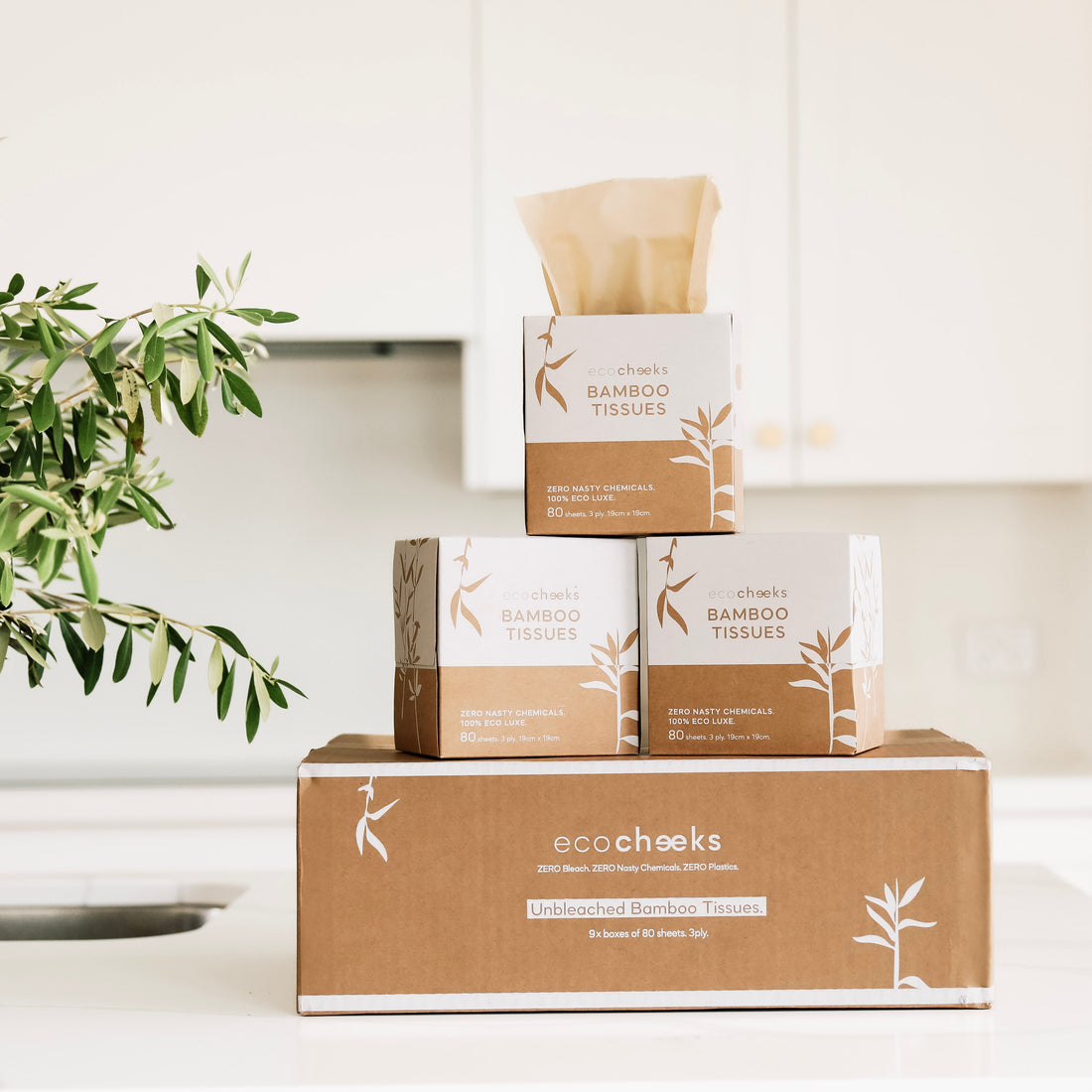
That is why more households are making the switch to bamboo tissues and toilet paper as part of creating a lower-waste, lower-tox home.
If you’d like to learn more about why bamboo has become such a popular alternative, our blog Bamboo Toilet Rolls: Why We Choose Bamboo for Our Products explores the environmental benefits, comfort, and practicality behind the switch to bamboo toilet paper Australia households are increasingly choosing for everyday use.
Why Choose Eco Cheeks Bamboo Tissues?
If you are looking for an easy, sustainable swap in 2024, everyday household paper products are often one of the simplest places to start.
Eco Cheeks bamboo tissues are:
-
-
100% bamboo
-
Unbleached and toxin-free
-
Free from fragrance, BPA, and harsh chemicals
-
Plastic-free
-
Soft, durable, and family-friendly
-
Delivered carbon-neutral
-
They are designed to reduce unnecessary waste and harsh chemical exposure without sacrificing comfort or convenience because sustainable products should still feel good to use in real life.
If you are looking for a simple place to begin, everyday essentials are often the easiest wins.
Eco Cheeks Bamboo Bundles are designed to help create a more sustainable, lower-tox home without sacrificing softness, convenience, or comfort. Explore our range of unbleached bamboo household products and make one small swap that feels good for both your home and the planet.
Small Changes Add Up
Sustainable living does not have to be all-or-nothing.
Often, the habits that stick are the small ones that naturally become part of everyday life. A reusable bag here, less food waste there, a lower-plastic bathroom swap that quietly becomes your new normal.
If you are setting intentions for 2024, maybe skip the pressure to do everything perfectly. Start with a few realistic changes that feel manageable, practical, and genuinely sustainable for your lifestyle.
Because creating a greener home and a healthier planet usually starts with the little things.