
Every year on 22 June, World Rainforest Day reminds us just how important the world's forests are. They produce oxygen, store carbon, regulate our climate, support incredible biodiversity, and provide homes and livelihoods for millions of people.
But rainforest conservation isn't just something governments and environmental organisations can influence. The everyday choices we make at home can play a small part too.
One of those choices might surprise you: the paper products you use every day.
While a single box of tissues or roll of toilet paper may not seem significant, choosing products made from renewable materials can help reduce demand for virgin wood fibre and support more sustainable alternatives.
So, how does tissue paper affect forests, and can switching to bamboo really make a difference?
Why Are Rainforests So Important?
Rainforests are one of the most diverse ecosystems on Earth. They're home to more than half of the world's known plant and animal species. They also play a vital role in absorbing carbon dioxide, producing oxygen, regulating rainfall, and helping stabilise the global climate.
Beyond their environmental importance, rainforests are home to Indigenous communities who have cared for these landscapes for generations. These forests provide food, medicine, cultural identity, and traditional knowledge that has been passed down for thousands of years.
Protecting rainforests isn't just about saving trees. It's about protecting wildlife, supporting communities, and preserving ecosystems that help sustain life around the world.
Why Are Rainforests Under Threat?
Rainforests face growing pressure from human activity. Land clearing for agriculture, logging, mining, and urban development continues to reduce forest cover in many parts of the world. As forests disappear, wildlife loses habitat, biodiversity declines, and more carbon is released into the atmosphere.
Climate change adds another challenge. Rising temperatures, shifting rainfall patterns, and more frequent extreme weather events place additional stress on already vulnerable ecosystems.
While these are global issues, the choices we make as consumers can still influence the products companies choose to produce and the materials they source.
Rainforest conservation is closely connected to the bigger issue of global deforestation. If you'd like to dive deeper into what's happening, why forests are disappearing, and what we can all do to help, explore our blog Deforestation: The What, Why, Who and How.
What Does Tissue Paper Have to Do With Forests?
More than many people realise. Many conventional paper products are made using virgin wood pulp sourced from trees. While responsibly managed forestry exists, demand for paper products has historically contributed to pressure on forests around the world.
The good news is that there are now more sustainable alternatives available.
Choosing products made from rapidly renewable materials, such as bamboo, helps reduce reliance on traditional tree-based fibres and supports a more diverse approach to paper production.
It's one small swap, but when enough people make it, those choices begin to add up.
Why Is Bamboo Considered a More Sustainable Alternative?
Bamboo has become an increasingly popular alternative to traditional tree-based paper products, and for good reason. Here are just a few of the benefits:
-
- Fast-growing: Bamboo is one of the fastest-growing plants in the world, making it a highly renewable resource.
- Naturally regenerates: Once harvested, bamboo regrows from its existing root system, so it doesn't need to be replanted after every harvest.
- Uses less water: Bamboo generally requires significantly less water to grow than many conventional tree crops.
- Grows with minimal inputs: It can often be cultivated without the intensive farming practices associated with some other paper sources.
- Versatile for everyday products: Bamboo is used to make toilet paper, facial tissues, paper towels, and other household essentials.
Of course, sustainability isn't just about the raw material. Responsible manufacturing, thoughtful packaging, and reducing unnecessary chemicals all play an important role in creating products that are better for both people and the planet.
Why Eco Cheeks Chose Bamboo
At Eco Cheeks, we wanted to create everyday paper products that were better for both people and the planet.
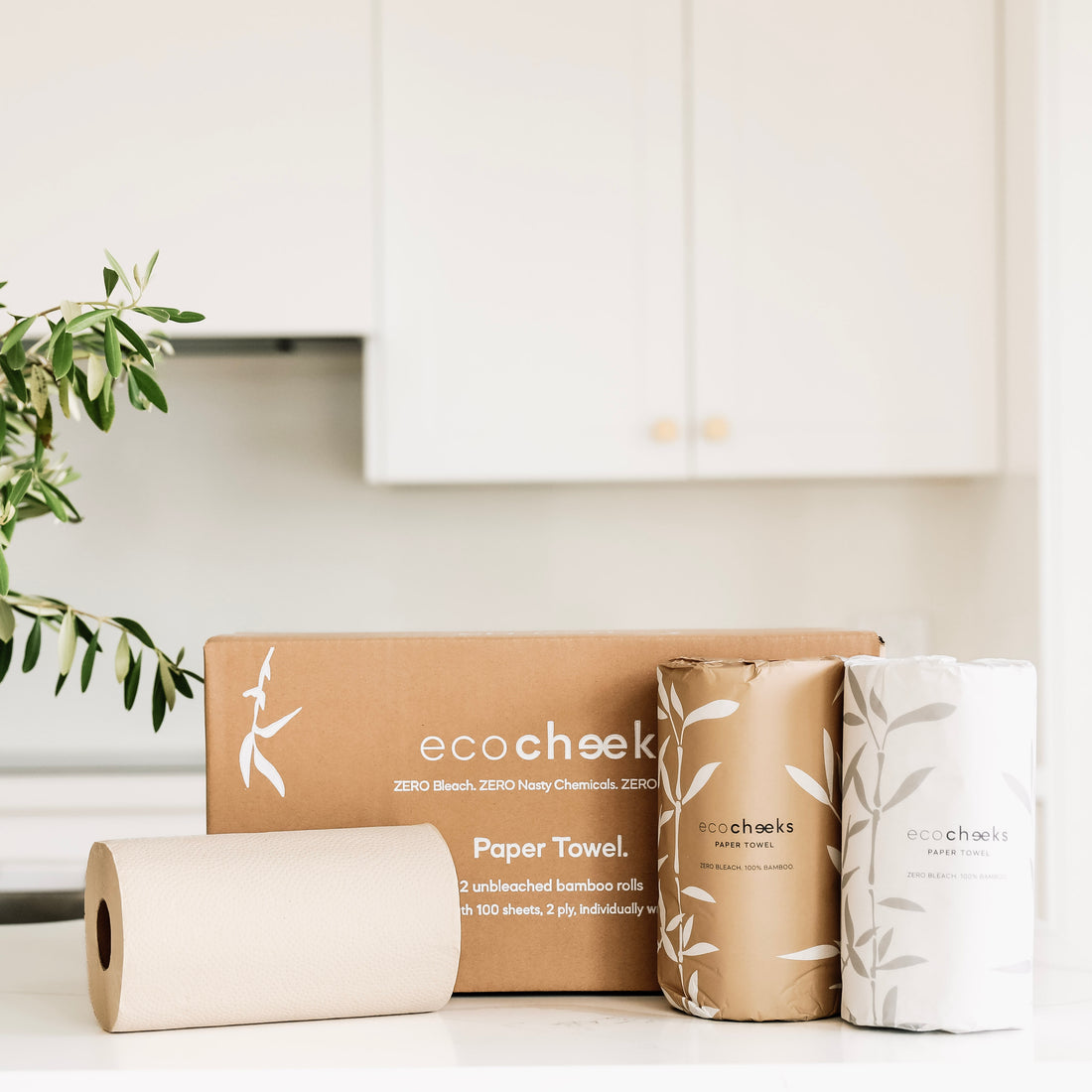
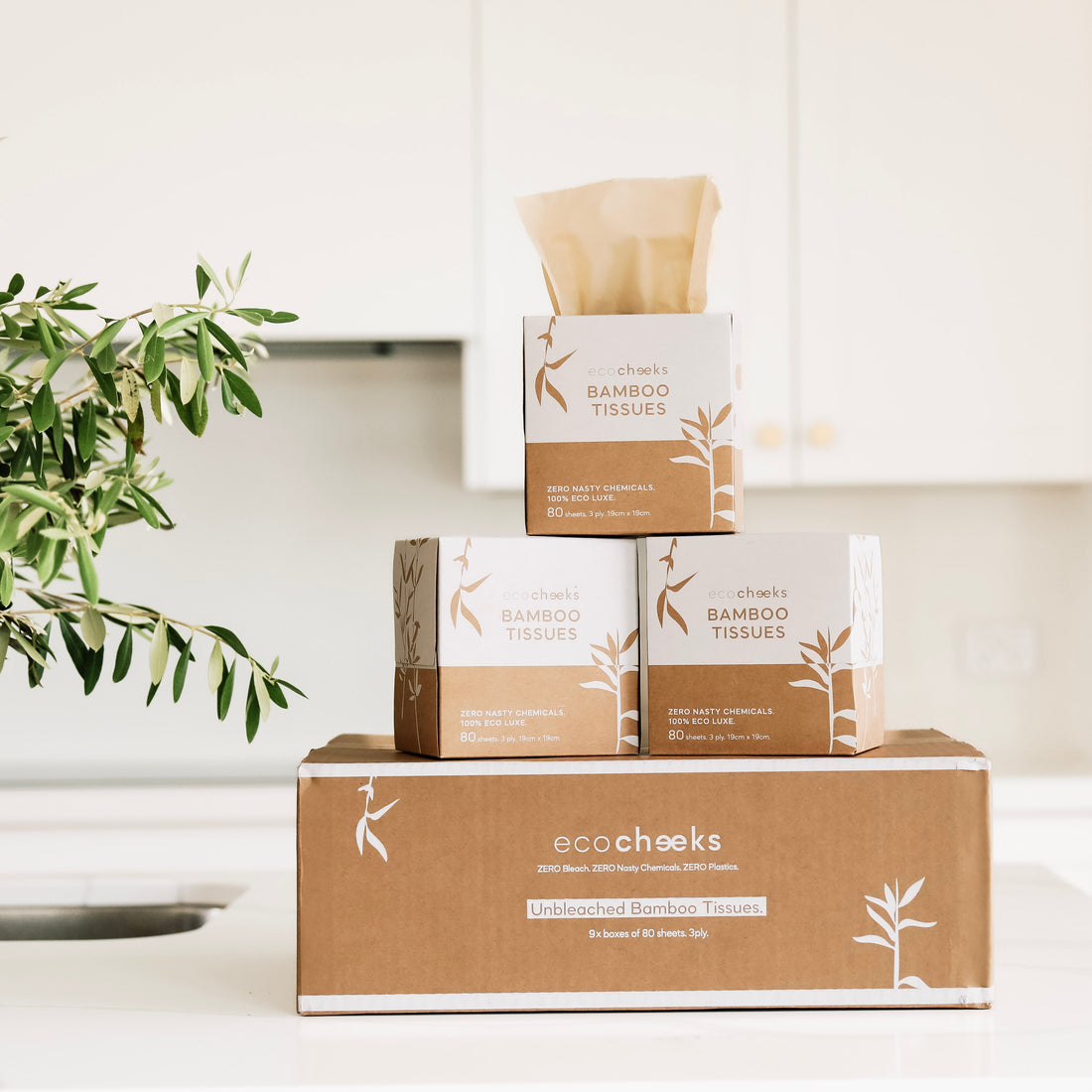
That's why our toilet paper, facial tissues, and paper towels are made from 100% unbleached bamboo, with no chlorine bleach, added fragrances, dyes, or optical brighteners.
Our products are also completely plastic-free, from the packaging through to delivery, helping households reduce unnecessary waste without compromising on quality or comfort.
Choosing bamboo won't solve deforestation on its own, but it's one practical way we can all help reduce reliance on traditional tree-based paper products while making more sustainable choices at home.
Celebrate World Rainforest Day Every Day
World Rainforest Day is a wonderful reminder that our everyday choices matter. Whether it's the food we eat, the products we buy, or the paper we keep in our bathrooms and kitchens, each decision is an opportunity to tread a little lighter on the planet.
No single swap will protect the world's rainforests on its own, but millions of small, thoughtful choices can create meaningful change over time.
If you're looking for an easy place to start, switching to unbleached bamboo toilet paper is one simple change that benefits both your household and the environment.
Together, we can help protect the forests that protect all of us.