
Bamboo has a pretty impressive résumé.
It grows remarkably fast, regenerates after harvesting, and can be turned into everything from flooring and furniture to textiles, kitchenware and, of course, toilet paper.
So it makes sense that this incredibly versatile plant gets its own day.
Every 18 September, World Bamboo Day celebrates bamboo and raises awareness of its potential as a renewable resource. For us at Eco Cheeks, it's also a chance to celebrate the plant behind our toilet paper, facial tissues and paper towels.
But beyond growing quickly, what actually makes bamboo such an interesting alternative to traditional materials? And how did a giant grass end up becoming one of our favourite bathroom essentials?
Let's get into it.
What is World Bamboo Day?
World Bamboo Day is celebrated globally on 18 September each year. It was established in 2009 during the 8th World Bamboo Congress in Bangkok to increase awareness of bamboo and encourage its responsible cultivation and use around the world.
But bamboo's story started long before it had a day dedicated to it.
For centuries, different cultures have used bamboo for food, shelter, tools, furniture, crafts and countless other purposes. Today, those traditional applications sit alongside newer uses in areas such as textiles, packaging and paper production.
World Bamboo Day is an opportunity to celebrate that history while also looking at the role bamboo could play as we search for more renewable ways to make the things we use every day.
Why is bamboo considered sustainable?
A big part of bamboo's appeal comes down to how it grows. Despite its height and woody appearance, bamboo is actually a grass, and a remarkably fast-growing one at that.
While trees traditionally used for paper production can take decades to mature, some bamboo species reach maturity within just a few years. Under ideal conditions, certain species have even been recorded growing close to a metre in a single day.
But speed isn't its only advantage. Beneath the ground, bamboo grows from a network of stems called rhizomes. Once established bamboo is harvested, new shoots can emerge from this existing root system, allowing the plant to regenerate without needing to be replanted from scratch after every harvest.
That combination of rapid growth and natural regeneration makes bamboo an interesting renewable alternative to slow-growing timber, particularly for products and materials we consume in large quantities.
Not bad for a grass.
What can bamboo be used for?
One of the reasons bamboo has been valued for centuries is its incredible versatility.
There are thousands of uses for bamboo around the world, ranging from traditional crafts and construction to modern textiles and everyday household products. Depending on the species and how it's processed, bamboo can be used for:
-
- Furniture and flooring – bamboo can be processed into strong, durable materials for around the home.
- Building materials – its strength and flexibility make bamboo useful in a variety of construction applications.
- Kitchenware – chopping boards, utensils, serving pieces and other everyday kitchen essentials.
- Textiles – bamboo can be processed into fibres used for clothing, bedding and other fabrics.
- Homewares – from baskets and storage to decorative pieces.
- Paper products – including toilet paper, facial tissues and paper towels.
It's quite a résumé for something that's technically a grass.
And that's part of what makes World Bamboo Day interesting. Bamboo isn't being celebrated because of one particular product or use. It's a plant that has supported communities for generations and continues to find new applications as we look for renewable alternatives to more resource-intensive materials.
How has bamboo been used throughout history?
Long before bamboo became associated with sustainable living, people were already taking advantage of its strength, flexibility and abundance.
Across parts of Asia and other bamboo-growing regions, it has traditionally been used to build homes, bridges, baskets, tools, furniture, fences and musical instruments. Young bamboo shoots have also been eaten for centuries, while different parts of the plant have found uses in agriculture, crafts and everyday household life.
Part of bamboo's usefulness comes from the fact that it doesn't have just one purpose.
A material sturdy enough for construction can also be split into fine strips for weaving. Fibres can be processed into paper. Young shoots from suitable species can become food.
Modern technology has simply expanded what we're able to do with a plant people have valued for generations.
Why did Eco Cheeks choose bamboo?
This is where bamboo's story connects with ours. Toilet paper, tissues and paper towels are products households use continuously. Traditionally, those products have relied heavily on virgin wood pulp, despite being designed to be used briefly and then discarded or flushed away.
We wanted to approach them differently.
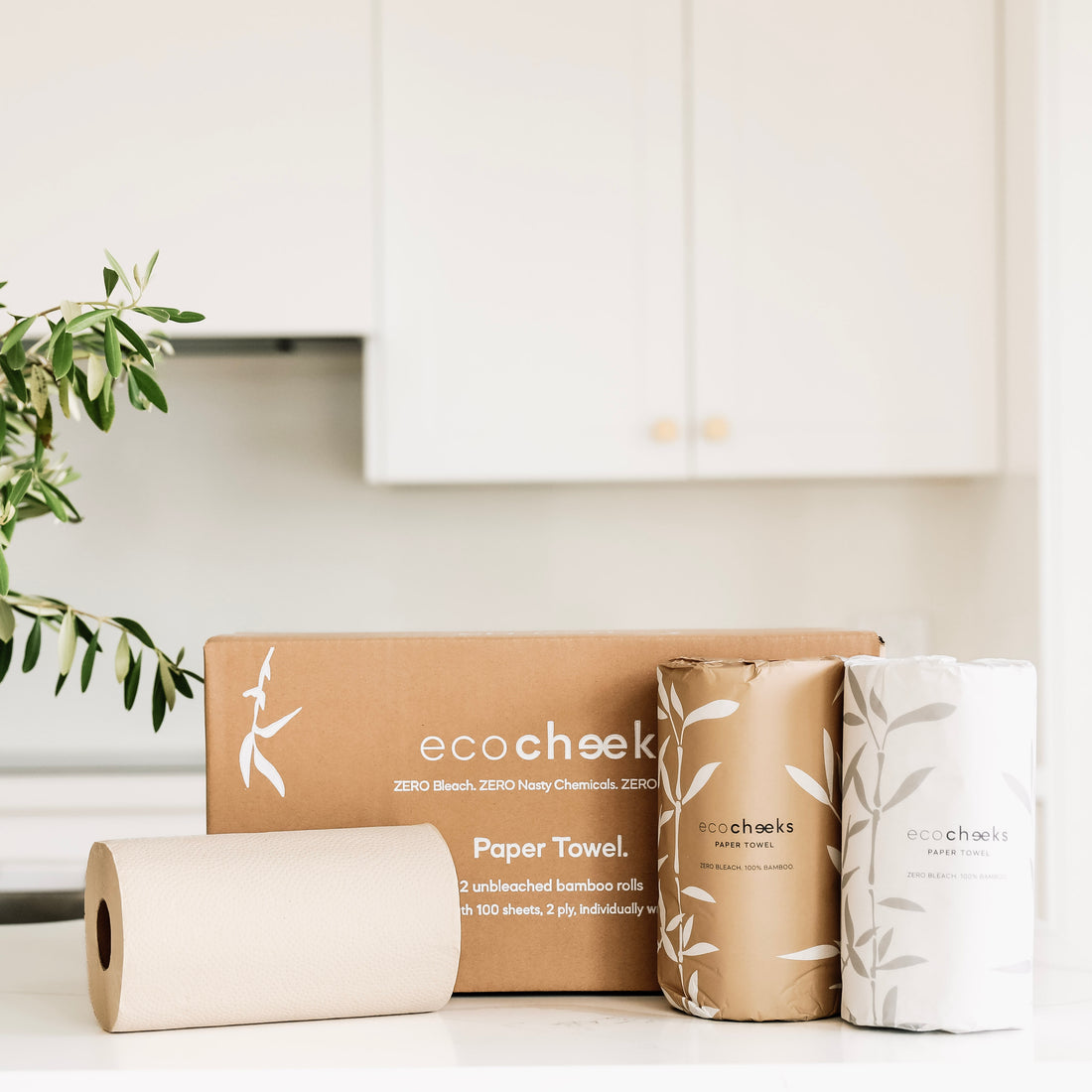
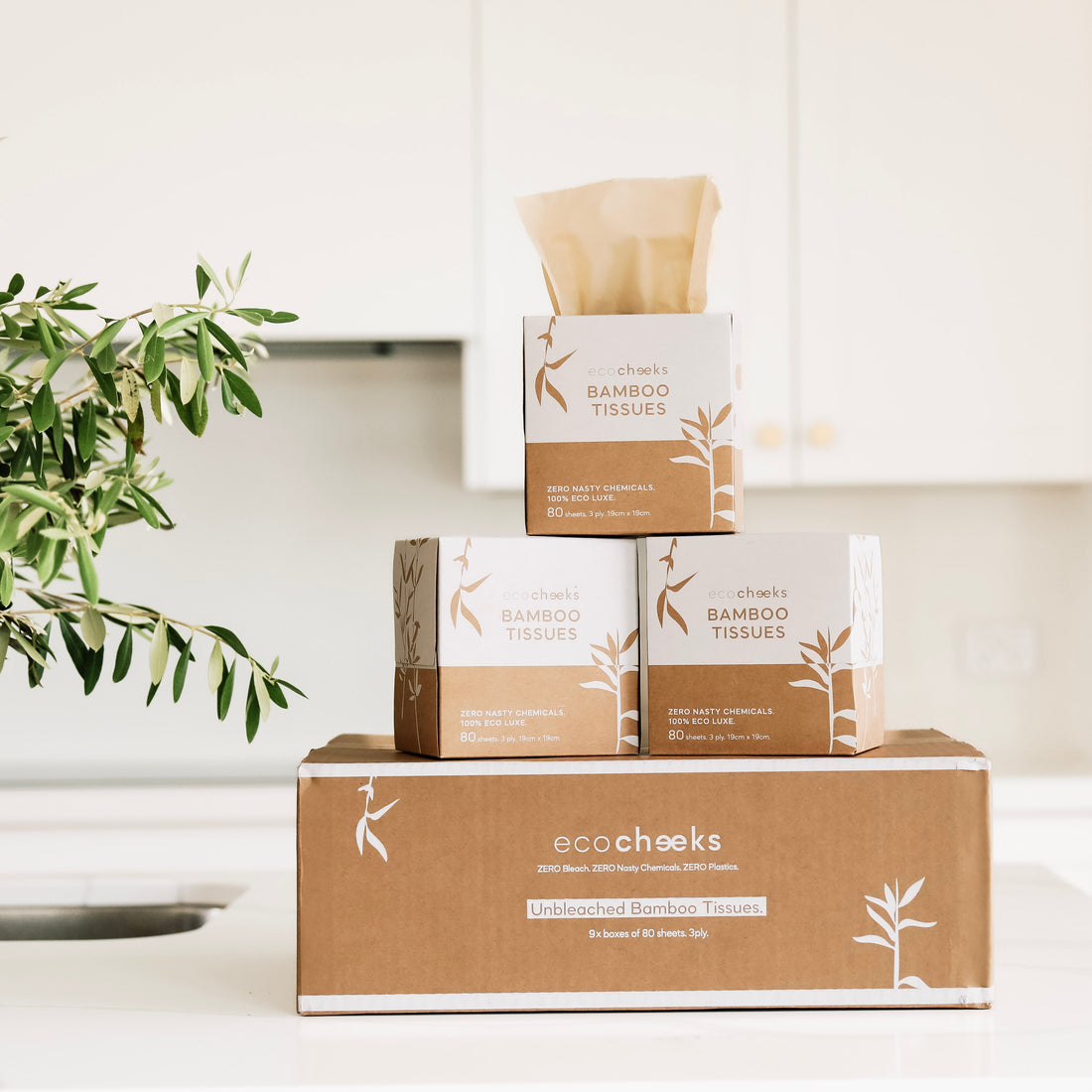
That's why Eco Cheeks toilet paper, facial tissues and paper towels are made from 100% bamboo rather than virgin tree pulp.
Our paper products are also unbleached and made without unnecessary fragrances or dyes, and our packaging is plastic-free. It's about considering the material, processing and packaging together rather than relying on bamboo alone to do all the sustainability heavy lifting.
If you'd like to see the bigger picture behind those choices, our Our Purpose page shares more about our environmental commitments, community partnerships and latest impact.
How can you celebrate World Bamboo Day?
You don't need to fill your house with bamboo or replace perfectly good things simply because 18 September rolls around.
In fact, buying something you don't need would rather miss the point.
Instead, World Bamboo Day can be an opportunity to get curious about the materials behind the things you already use.
Learn where they come from. Look at how they're made. Consider renewable alternatives when something genuinely needs replacing. And pay attention to the whole product rather than one impressive claim on the packaging.
Bamboo is a fascinating example of what's possible when we look differently at the resources available to us.
More Than Just a Fast-Growing Grass
Bamboo's extraordinary growth rate might be the fact that grabs everyone's attention, but there's much more to this plant than speed.
For generations, people have turned bamboo into shelter, tools, food, furniture, instruments, and everyday essentials.
Today, we're finding even more ways to use it, including as an alternative raw material for products traditionally made from trees.
World Bamboo Day gives us a reason to celebrate all of that, but it also offers a useful reminder.
The materials behind everyday products matter. And when renewable alternatives exist, they're worth exploring.
That's one of the reasons bamboo became such an important part of Eco Cheeks, and why we'll happily raise a roll to it this World Bamboo Day.