
We all like to think our homes are safe havens. They’re the place with the carefully chosen couch, the pantry stocked with family favourites, the coffee table books you actually flick through on a slow Sunday. It’s where we host birthdays, nurse colds, binge shows, raise babies, welcome friends, and collapse at the end of long days. It feels safe because we’ve built it that way.
We make big decisions for our homes. Renovating a kitchen. Installing a water filter. Investing in better mattresses. Choosing the suburb we want to live in.
But then there are the smaller decisions. The quick supermarket grabs. The convenient takeaway containers. The scented candle that “just smells nice.” The non-stick pan that makes cooking easier
Individually, they feel harmless. But over time, those small decisions stack up. And sometimes, what feels normal can quietly be exposing us to toxins without us even realising.
This isn’t about fear. It’s about awareness. Because once you know what to look for, you can make simple swaps that protect your home in the long run.
1. Plastic That Loves Your Food a Little Too Much
Plastic feels harmless because it’s everywhere. It’s “just” a takeaway container. “Just” a water bottle. “Just” cling wrap. But many plastics contain chemicals like BPA and phthalates that leach into food and drinks, especially when heated or reused. They’ve been linked to hormone disruption and other long-term health concerns.
The tricky part? It rarely feels dramatic. It’s the weekend takeaway. The leftovers reheated once. The bottle refilled a few times. But exposure adds up.
Swapping to glass containers, stainless steel drink bottles, or silicone storage doesn’t require a lifestyle overhaul. It’s just one small shift that reduces daily chemical contact.
2. Fragrance That Follows You Around
We love a good-smelling home. Candles, plug-in air fresheners, linen sprays, perfumes. But synthetic fragrance is often a cocktail of undisclosed chemicals. Many release volatile organic compounds, known as VOCs, which can irritate airways, trigger headaches, and worsen asthma symptoms. Some fragrances also contain phthalates, used to make scents last longer. In your home, the space where your kids crawl, your parents visit, and your friends gather? It matters.
Beeswax candles, soy candles with clean ingredient lists, or essential oil diffusers are gentler alternatives. Or sometimes, just fresh air and open windows do the trick. You can even make your own natural air fresheners at home! We’ve create quick and easy guide on How to DIY Air Fresheners for a Naturally Fresh Home.
3. Cookware With a Hidden Catch
Non-stick pans can feel like a kitchen miracle. Nothing sticks. Clean up is easy. Cooking feels effortless. But not all non-stick coatings are created equal. Traditional Teflon coatings contain PFAS chemicals, sometimes called “forever chemicals” because they don’t break down easily in the environment or the body. When overheated or scratched, these coatings can release fumes or particles.
That doesn’t mean every pan is dangerous. It means it’s worth understanding what makes something non-stick in the first place.
Stainless steel has a learning curve, sure. Food can stick if you don’t heat it properly. But once you get the hang of it, it’s durable, toxin-free, and built to last. Cast iron is another long-term option that improves with age. Alternatively, a personal favourite is Our Place, who create great non-stick, non-toxic cookware that also looks great!
Quality cookware means you’re not constantly repurchasing, and you’re not exposing your food to questionable coatings.
4. Personal Care Products You Touch Every Day
Many everyday personal care products contain ingredients that most people rarely think twice about. While they’re commonly used in cosmetics, hygiene products, and household items, some of these chemicals have raised concerns due to their potential impact on skin health and long-term exposure.
Here are five ingredients worth being aware of:
-
-
Parabens (Methyl-, Propyl-, Butyl-, Ethyl-) – Used as preservatives to extend shelf life, but they have been linked to potential hormone disruption.
-
Phthalates (DEP, DBP, DEHP) – Often hidden within fragrances; these chemicals are associated with endocrine disruption.
-
Fragrance/Parfum – A broad umbrella term that can represent dozens of undisclosed synthetic chemicals, including known allergens.
-
Sodium Lauryl Sulfate (SLS/SLES) – A common foaming agent that can strip the skin’s natural oils and cause irritation, especially for sensitive skin.
-
Mineral Oil/Petrolatum – Petroleum-derived ingredients that can clog pores and may sometimes contain impurities if not highly refined.
-
Your skin is the body’s largest organ, and it interacts with far more products than we often realise. Over time, repeated exposure to certain ingredients can contribute to irritation, dryness, or disruption of the skin’s natural barrier, particularly for those with sensitive skin.
If you want a deeper dive into how everyday items affect your skin barrier, check out The Hidden Impact of Harsh Chemicals on Your Skin.
It’s also worth remembering that skincare and cosmetics are not the only products your skin comes into contact with every day. Household essentials like toilet paper, tissues, paper towels, and wet wipes are used frequently and often come into direct contact with sensitive areas of the body.
Many conventional paper products are treated with bleaching agents, fragrances, or other processing chemicals designed to improve softness, appearance, or scent. Choosing simpler, more natural alternatives can be a small but meaningful way to reduce unnecessary exposure and be a little gentler on your skin.
5. Cleaning Products That Don’t Play Nice
That strong “clean” smell? It’s often chemical residue. Many conventional cleaners contain ingredients like ammonia, chlorine, and synthetic surfactants. These can irritate skin, aggravate lungs, and leave residues on surfaces and fabrics.
You wipe your bench. Then you prep food on it. You wash your sheets. Then you sleep in them.
Plant-based or low-tox cleaning options, even simple staples like vinegar and baking soda, can handle most household jobs. They’re often cheaper, too.
Clean doesn’t have to sting your nose to work.
6. Pesticides and Sprays That Linger
Bug sprays and insecticides solve a problem quickly. But many contain chemicals designed to disrupt nervous systems, which is how they kill pests. The issue is that residues can linger on floors, walls, and surfaces long after the spray settles.
In homes with crawling babies, curious pets, or frequent guests, that exposure matters. Preventative measures like sealing cracks, keeping food sealed, and using traps or natural deterrents reduce the need for heavy chemical sprays.
7. Mould, the Uninvited Guest
Sometimes recurring headaches, allergies, or constant sniffles get blamed on “just the season.” But mould exposure can produce similar symptoms. Certain moulds release mycotoxins that affect air quality and respiratory health.
Mould hides in damp corners, behind fridges, inside cupboards, and in poorly maintained air conditioning units.
Regular ventilation, moisture control, and servicing your AC systems can prevent small issues from turning into larger health concerns.
Creating a Healthier, Non-Toxic Home
The goal isn’t perfection—it’s intention. You don’t need to toss everything out tomorrow. Instead, when you replace something, choose better. When you restock, take a moment to check the ingredients. When you upgrade, invest in quality that lasts.
Big renovations make a splash, but it’s the small, daily decisions that often have the biggest impact on your health and wellbeing.
Start Your Non-Toxic Swap With the Essentials
The easiest place to start? The products you use every single day.
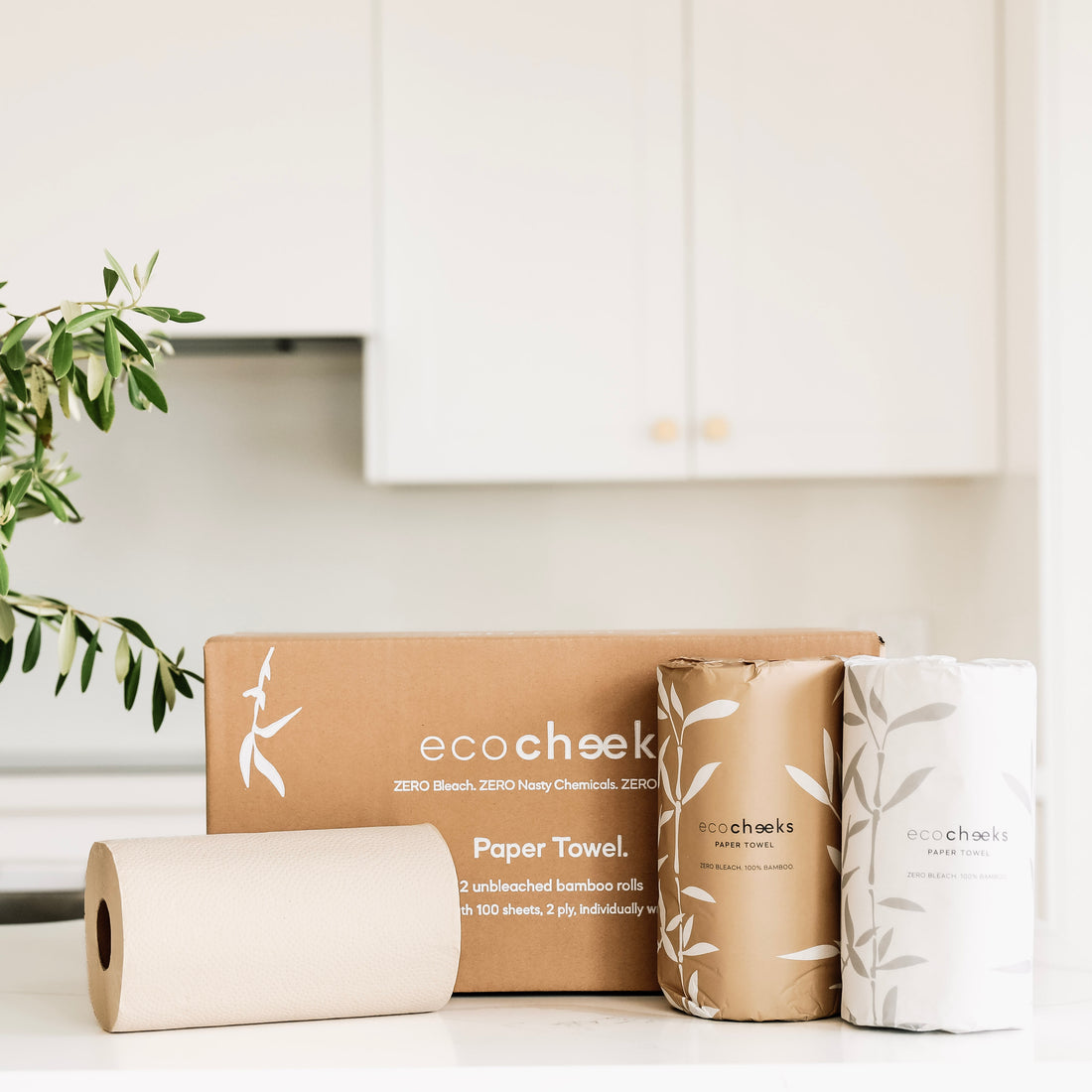
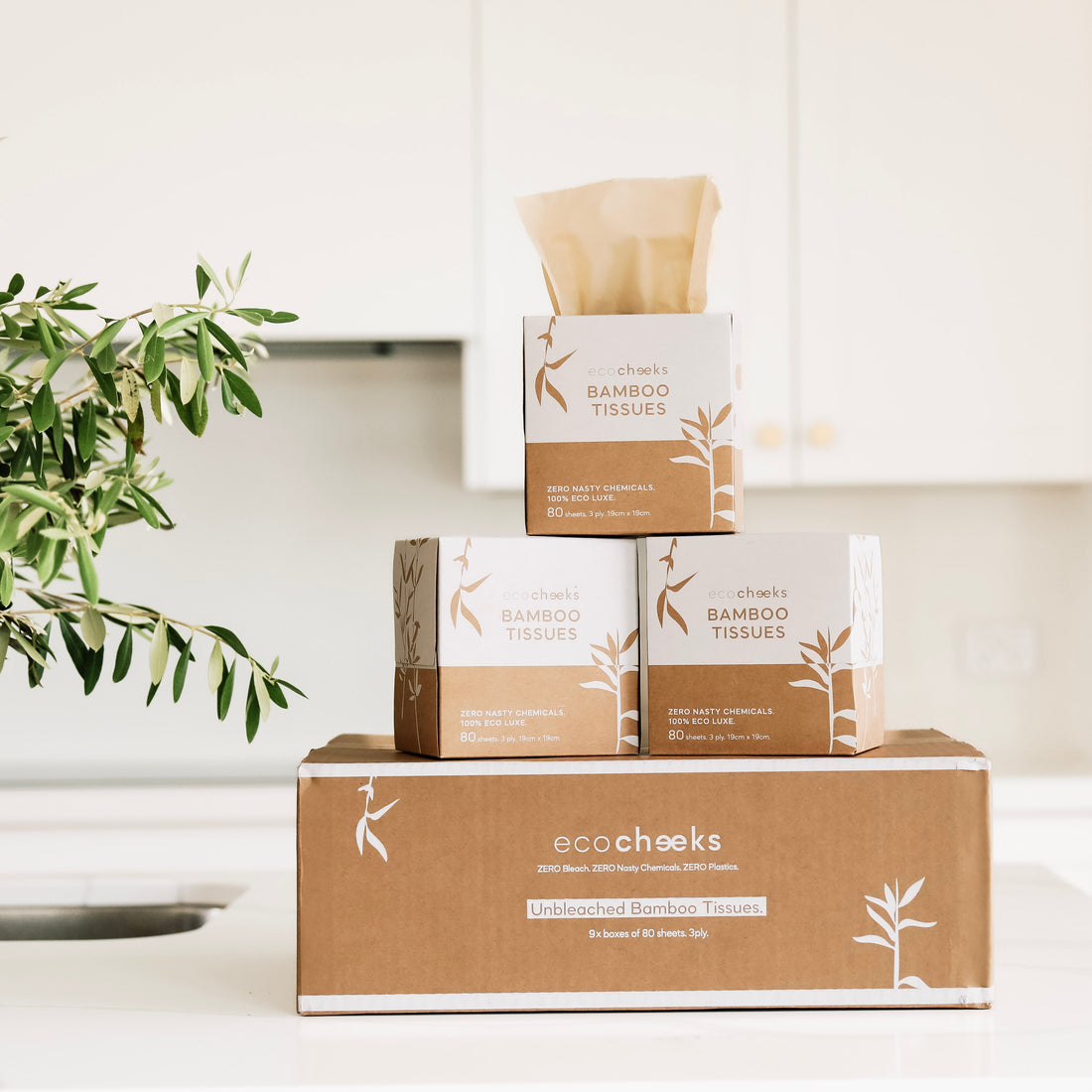
Eco Cheeks’ 100% bamboo, unbleached toilet paper, tissues, and paper towels are free from harsh chemicals and plastic packaging. They’re designed to be gentle on sensitive skin while reducing environmental impact.
Our Eco Bundles make the switch simple. You stock up on the essentials, save money in bulk, and remove one more source of unnecessary chemicals from your home. No overwhelm. No extremes. Just smarter, simple swaps.
With each thoughtful choice, your home stays the safe haven you intended—not just because it looks beautiful, but because it genuinely supports the health of everyone inside it. And that’s the kind of comfort that really matters.