
Keeping your home clean shouldn't come at the expense of your health or the environment. Yet many conventional cleaning products contain harsh chemicals, synthetic fragrances, and unnecessary additives that most of us use without giving them a second thought.
The good news is that creating a healthier home doesn't mean filling your cupboards with expensive "green" products. In many cases, a handful of simple ingredients and a few thoughtful swaps are all you need to keep your home sparkling.
If you're wondering how to switch to non-toxic cleaning products, where to start, or whether DIY cleaners actually work, you're in the right place.
Why Are More People Switching to Non-Toxic Cleaning Products?
More Australians are becoming aware of what goes into the products they use every day. While cleaning products are designed to remove dirt and germs, many conventional options also contain ingredients that some people prefer to minimise around their homes, particularly if they have young children, pets, allergies, asthma, or sensitive skin.
For many households, switching to non-toxic cleaning isn't about perfection. It's simply about reducing unnecessary chemical exposure where it's easy to do so.
Small changes, repeated every day, can make a surprisingly big difference.
What Ingredients Do People Commonly Try to Avoid?
If you're starting your low-tox journey, ingredient lists can feel overwhelming. The good news is you don't need to know every chemical name.
Becoming familiar with a few commonly discussed ingredients is a great place to start. Many people choose to minimise products containing:
-
- Synthetic fragrances: Often avoided by people with allergies, asthma, or sensitive skin, as they can trigger irritation or headaches.
- Phthalates: Commonly used to help fragrances last longer, and often avoided by people looking to reduce unnecessary chemical exposure.
- Chlorine bleach: Commonly avoided because it's a harsh chemical that's often unnecessary for everyday cleaning.
- Ammonia: Can produce strong fumes that may irritate the eyes and respiratory system.
- Antibacterial chemicals (such as triclosan or quats): Some people choose to avoid them unless they're genuinely needed, as routine cleaning is often enough for everyday hygiene.
Can You Keep Your Home Clean Without Harsh Chemicals?
Absolutely. For everyday household cleaning, simple ingredients like white vinegar, baking soda, and hot water can handle many common jobs just as effectively as commercial cleaners. Not only are these ingredients affordable and easy to find, but they also reduce the number of plastic bottles, artificial fragrances, and harsh chemicals entering your home.
While there are situations where stronger disinfectants may be appropriate, particularly after illness or when cleaning high-risk areas, most day-to-day cleaning simply doesn't require an entire cupboard full of chemical products.
What are Some Easy DIY Cleaning Solutions?
One of the easiest ways to reduce your household's chemical load is by making a few cleaners yourself. Most recipes take only a couple of minutes to prepare and use ingredients you probably already have in the pantry.
1. Everyday All-Purpose Cleaner
Perfect for kitchen benches, bathroom surfaces, splashbacks, and windows.
You'll need:
-
-
-
-
1 part white vinegar
-
1 part water (distilled if possible)
-
Optional: a few drops of eucalyptus, lemon, tea tree, or lavender essential oil
-
-
-
Combine everything in a spray bottle, shake gently before each use, and spray onto hard surfaces before wiping clean.
Tip: If you're using essential oils, choose a glass spray bottle where possible, as concentrated oils can gradually degrade some plastics over time.
2. Natural Scrubbing Paste
Ideal for sinks, baths, grout, stovetops, and stubborn marks.
You'll need:
-
-
-
-
A small amount of water
-
Bicarbonate of soda
-
-
-
Mix into a thick paste, apply to the surface, gently scrub, then rinse away.
It's simple, inexpensive, and surprisingly effective.
3. Homemade Glass Cleaner
For streak-free mirrors and windows.
You'll need:
-
-
-
-
½ cup white vinegar
-
½ cup rubbing alcohol
-
2 cups water
-
-
-
Mix together in a spray bottle and wipe with a clean microfibre cloth for a sparkling finish.
Are DIY Cleaners Actually Effective?
For most everyday cleaning jobs, yes. Natural cleaners work differently from many commercial products. Rather than relying on aggressive chemical formulations, they use simple ingredients that help dissolve grease, lift grime, and remove everyday dirt.
They're also incredibly versatile. Instead of needing separate products for your bathroom, kitchen, glass, tiles, and benches, you can often tackle multiple jobs with just a few ingredients.
The result is less clutter under the sink, less packaging waste, and fewer products to buy.
If you're looking specifically for natural ways to clean your toilet, we've put together a collection of Easy and Simple Toxic-Free Toilet Cleaner Recipes, including fizzy toilet bombs, natural surface sprays, and simple pantry-based cleaners that are effective, affordable, and easy to make at home.
How Should You Store Homemade Cleaning Products?
DIY cleaners are simple to make, but they still deserve careful handling. A few easy habits will help keep everyone safe:
-
- Always use a clean bottle or container before filling it with homemade cleaner.
- Clearly label every bottle with its ingredients.
- Store cleaning products out of easy reach of children and pets.
- If you're using essential oils, choose glass bottles where possible, as concentrated oils may gradually break down certain plastics.
- Never mix different commercial cleaning products together, particularly products containing bleach or ammonia.
A little extra care goes a long way.
Why Eco Cheeks Fits Naturally Into a Low-Tox Home
At Eco Cheeks, we believe everyday essentials should be as simple as possible.
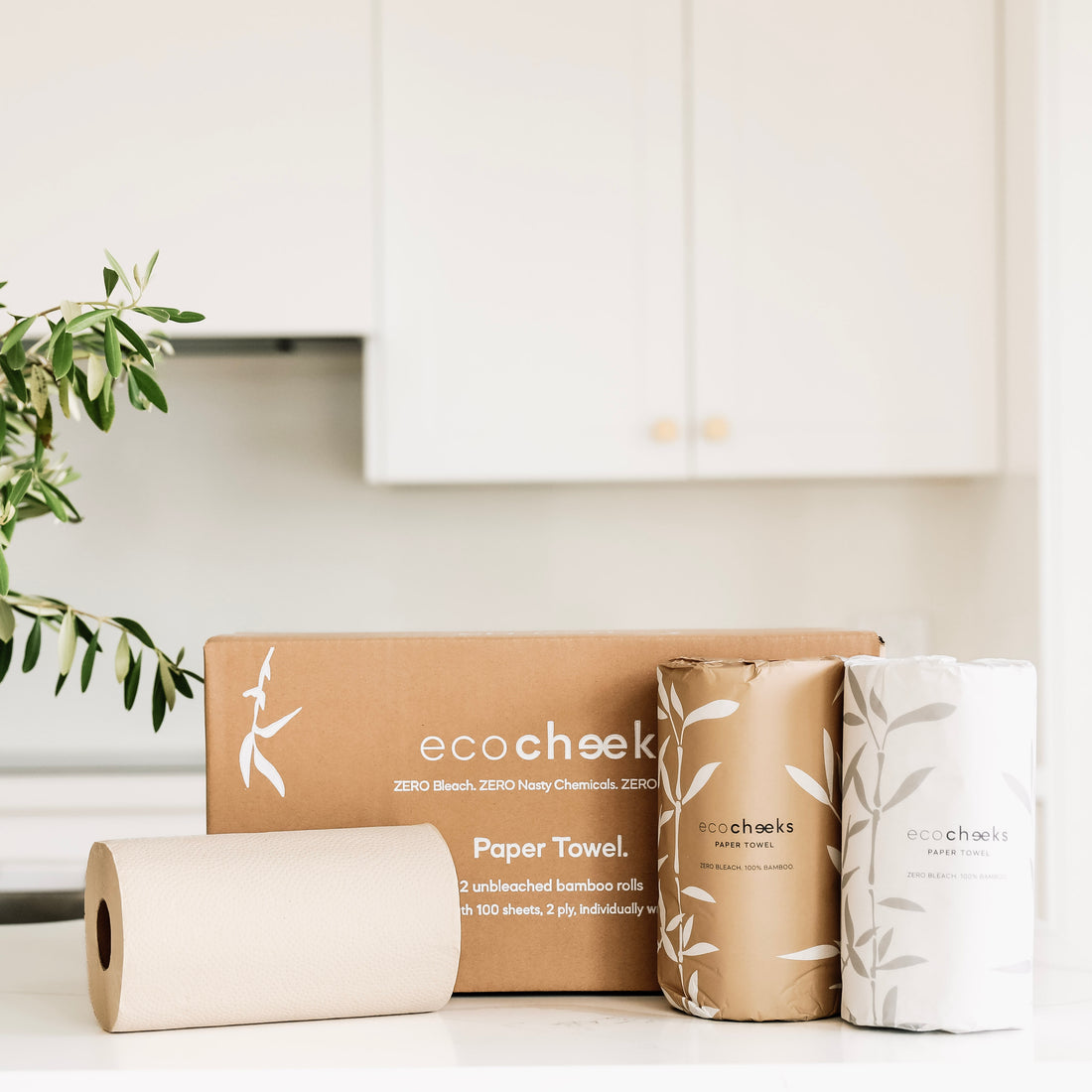
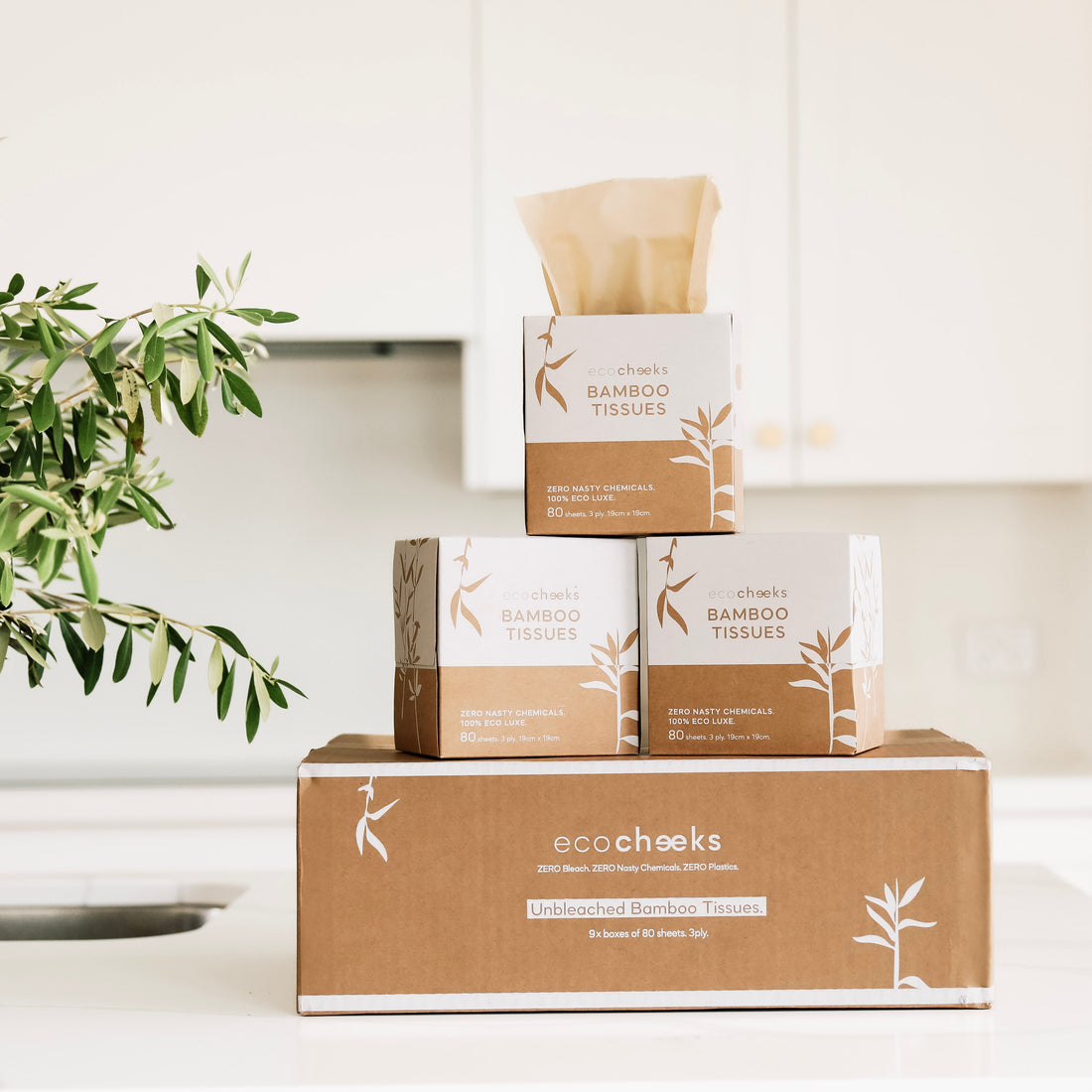
Our bamboo tissues, toilet paper, and paper towels are made from 100% unbleached bamboo, with no chlorine bleach, added fragrances, dyes, or optical brighteners. They're also completely plastic-free, home compostable, and thoughtfully packaged to help reduce unnecessary waste.
For us, sustainability isn't just about what happens after you throw something away. It's about making better choices from the very beginning, from the raw materials we use through to the way every order arrives at your door.
Small Swaps Can Make a Big Difference
Progress doesn't have to be perfect. Every thoughtful swap is a step in the right direction.
Creating a healthier home can be as simple as making your own all-purpose cleaner, choosing fragrance-free products where possible, reading labels a little more closely, or swapping everyday paper products for unbleached bamboo alternatives.
These small decisions might seem insignificant on their own, but together they help reduce unnecessary waste, minimise chemical exposure, and create a home that's kinder to both your family and the planet.
If you're ready to build a more sustainable home, explore the Eco Cheeks range of unbleached bamboo toilet paper, facial tissues, and paper towels. They're thoughtfully made, naturally gentle, and designed to help make everyday living just that little bit cleaner, inside and out.