
Every year, Australians are encouraged to roll up their sleeves and do something positive for the environment during Keep Australia Beautiful Week (KAB Week).
While organised clean-up events are a big part of the campaign, the message goes far beyond picking up litter for a single week. It's about creating everyday habits that help keep our parks, beaches, streets, and waterways clean all year round.
The good news? You don't need to organise a community event to make a difference. Small changes at home can have just as much impact over time.
Here's what Keep Australia Beautiful Week is all about and some simple ways you can get involved.
What Is Keep Australia Beautiful Week?
Keep Australia Beautiful Week began in 1966 as Australia's first national anti-litter campaign. Today, it continues to encourage Australians to reduce litter, minimise waste, and care for the places we all share.
From schools and community groups to families and businesses, people across the country use the week as an opportunity to build better environmental habits that last well beyond the campaign itself.
Why Does Litter Matter?
It's easy to think one piece of rubbish won't make much difference, but litter has a much bigger impact than many people realise. Improperly disposed waste can:
-
- Harm native wildlife
- Pollute rivers, beaches, and oceans
- Introduce plastics into the food chain
- Damage natural habitats
- Create unnecessary landfill
Many everyday items take decades, or even centuries, to break down.
Reducing waste before it becomes litter is one of the simplest ways we can all help protect Australia's natural environment.
Small Changes That Add Up
Protecting the environment doesn't have to mean living a completely zero-waste lifestyle overnight.
Here are a few easy places to start:
1. Choose Reusable Where You Can
Reusable shopping bags, drink bottles, coffee cups, and food containers help reduce single-use waste that often ends up as litter.
2. Buy Products With Less Packaging
Choosing products with recyclable or plastic-free packaging helps reduce unnecessary waste before it even enters your home.
3. Recycle Correctly
Understanding what can and can't be recycled helps keep valuable materials out of landfill and reduces contamination in recycling systems.
4. Pick Up Litter
If it's safe to do so, picking up a few pieces of rubbish during a walk is a simple act that benefits everyone.
5. Support Sustainable Businesses
Every purchase sends a message about the products and practices we want to see more of.
Supporting businesses that prioritise sustainability helps encourage better environmental outcomes across industries.
Small, consistent habits often make the biggest difference.
How You Can Get Involved This KAB Week
Looking to take part? Here are a few simple ideas:
-
- Join a local community clean-up.
- Pick up litter during your next walk.
- Reduce your use of single-use plastics.
- Start composting food scraps.
- Recycle correctly.
- Switch to more sustainable household products.
- Encourage friends and family to get involved.
Remember, it's not about being perfect. It's about making small improvements that become lasting habits.
How Eco Cheeks Helps Reduce Waste
At Eco Cheeks, we believe sustainability should be part of everyday life, not just something we think about during awareness weeks.
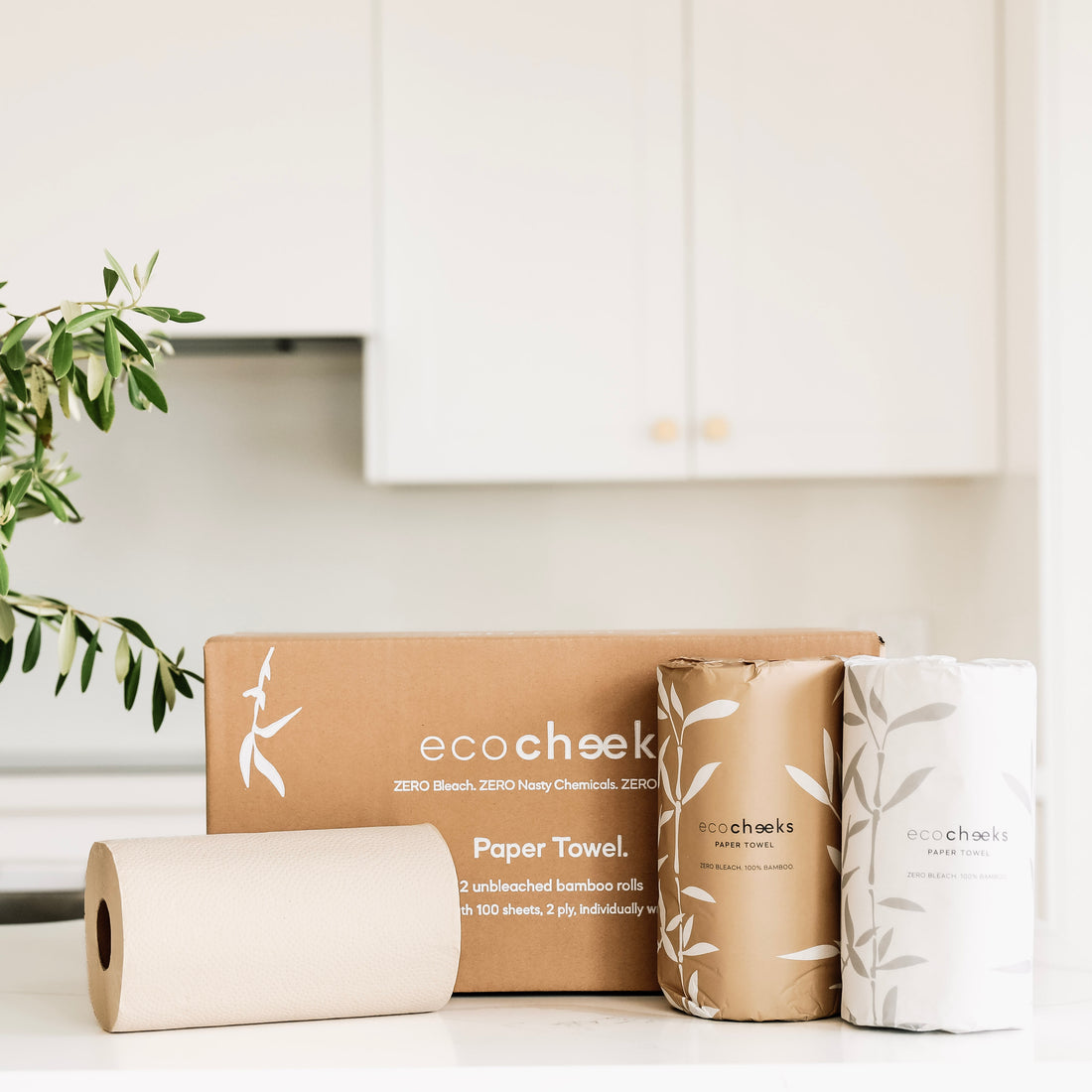
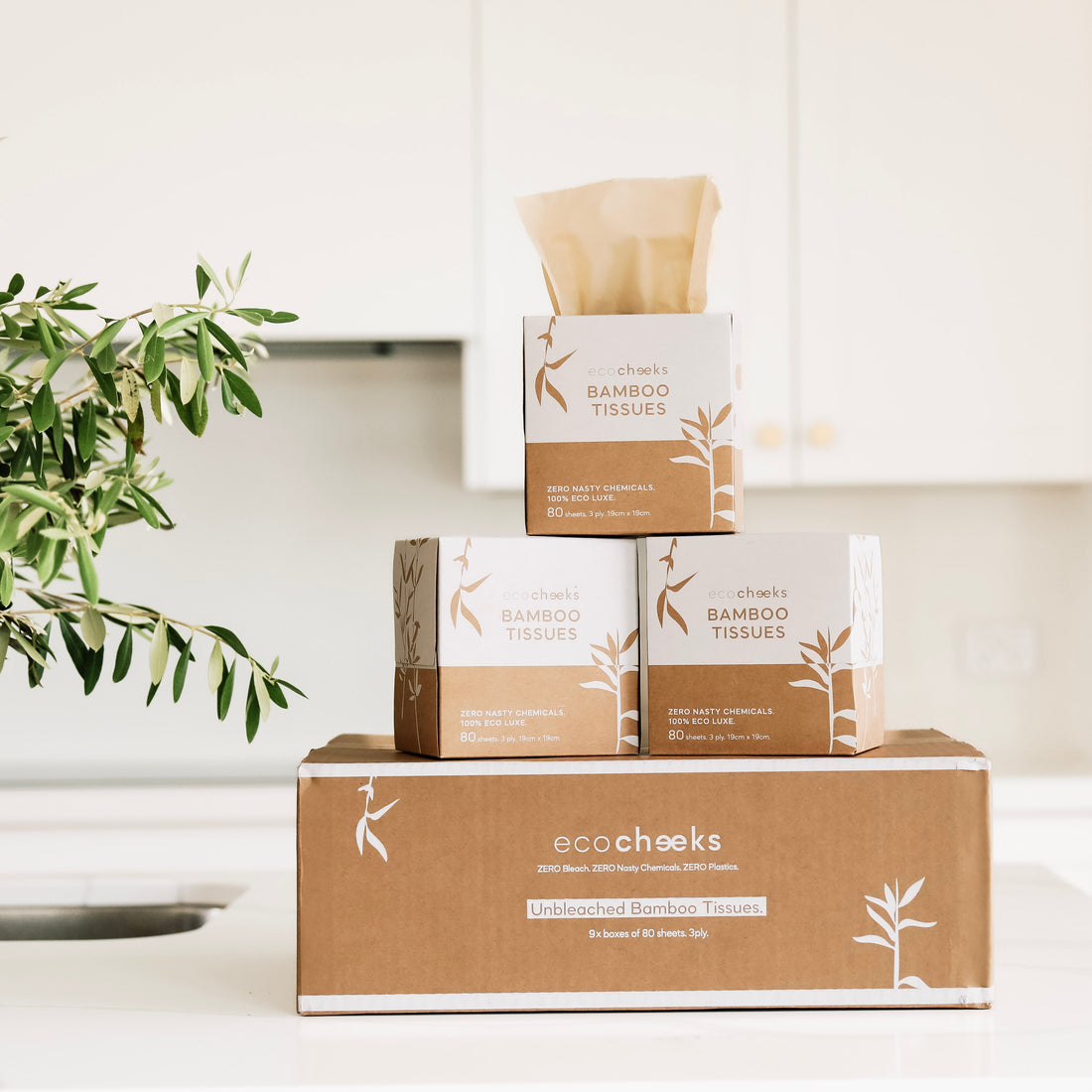
That's why our toilet paper, tissues, and paper towels are made from 100% bamboo, packaged without plastic, and designed to reduce unnecessary waste wherever possible.
By choosing renewable materials and avoiding unnecessary chemicals, we're working to make everyday household products a little kinder to the planet.
Small swaps might seem insignificant on their own, but together they can create meaningful change.
If you'd like to learn more about the values behind Eco Cheeks, read Why Eco Cheeks Is (Objectively) Awesome, And Not Just Because We're Biased.
Every Week Can Be Keep Australia Beautiful Week
Keep Australia Beautiful Week reminds us that protecting our environment isn't something reserved for one week each year.
Whether it's reducing waste, recycling properly, supporting sustainable businesses, or simply leaving a place cleaner than you found it, every small action contributes to a cleaner, healthier Australia.
Together, those everyday choices help keep Australia beautiful for future generations.