
Every 21st of March, the world pauses to acknowledge something easy to take for granted. Forests. The sprawling, breathing, endlessly complex ecosystems that cover about 30% of the Earth's land surface quietly keep the whole planet running.
The United Nations International Day of Forests has been marked since 2012, and every year it serves as a timely reminder that forests aren't just a nice backdrop for a bush walk. They're the life support system of the planet. And the choices we make every single day, including the toilet paper we reach for, are more connected to their survival than most of us realise.
This is part two of our MARCHing for Nature series, where throughout March, we explore simple, practical ways to connect with the environment and live a little more sustainably.
Why Are Forests So Important?
Forests regulate the climate, filter the water we drink, store carbon, and provide habitat for an extraordinary proportion of the world's biodiversity. Without them, the systems that keep our planet livable start to unravel pretty quickly.
Take the Amazon Rainforest, often called the "lungs of the Earth." It generates oxygen, regulates the climate, and supports one of the most diverse collections of plant and animal species on the planet. And it's shrinking.
A few numbers worth sitting with, courtesy of the United Nations:
-
-
Forests are home to 80% of all known frog species
-
Forested watersheds and wetlands supply 75% of the world's drinkable water
-
Forests store more than half of the global carbon supply in soils and plants
-
Over 30% of diseases that have emerged since 1960 are linked to land use changes, including deforestation
-
An area roughly equivalent to 14 million football fields is lost to deforestation every single year
-
That last one is the one that tends to stop people mid-scroll. Fourteen million football fields. Every year. Gone.
What Is Deforestation Doing to Australia?
Australia has one of the highest rates of deforestation in the developed world, and the impact is felt across wildlife, water, and climate. Land clearing for agriculture, urban development, and logging has placed enormous pressure on Australian native forests and the species that depend on them.
The koala, already listed as endangered, is among the most affected. So are hundreds of plant species, insects, and birds whose habitats are shrinking year by year.
But deforestation isn't just a wildlife issue. It's a water issue, a climate issue, and ultimately a human health issue. When forests go, so does the natural infrastructure that keeps ecosystems and communities functioning.
What Does Toilet Paper Have to Do With Deforestation?
More than most people would guess. Conventional toilet paper is made from virgin wood pulp, which means trees are felled specifically to make a product that gets used once and flushed away. In Australia and globally, the demand for virgin pulp paper products contributes directly to the pressure on forests.
If you want to dig deeper into how this affects Australian wildlife specifically, we uncover just How Eco-Friendly Toilet Paper Protects Australian Wildlife here.
The good news is that this is one of the easiest parts of your household routine to change. Switching from conventional wood pulp toilet paper to a bamboo alternative removes your household from that supply chain entirely.
Is Bamboo Actually a Sustainable Alternative?
Yes, and it comes down to how bamboo grows. It's technically a grass, not a tree, which means it regenerates after harvest without needing to be replanted, and some species grow up to 80 centimetres in a single day. Compare that to the 30 to 40-year-old hardwood trees felled for conventional toilet paper, and the difference is pretty stark.
Bamboo also sequesters carbon rapidly as it grows, requires minimal water, and needs no pesticides. It's one of the few truly renewable alternatives to wood pulp that doesn't compromise on performance. Soft, strong, and genuinely better for the planet.
How Can I Make a Difference at Home?
Switching your toilet paper is one of the simplest and most impactful changes you can make. When enough households make that swap, the cumulative reduction in demand for virgin wood pulp is real and meaningful.
Here are a few other easy ways to show up for forests this International Day of Forests and beyond:
Choose recycled or bamboo paper products across the board. Toilet paper, tissues, paper towels, and even office paper all have lower-impact alternatives worth exploring.
Support organisations working on reforestation. Groups like Greenfleet plant native trees across Australia and New Zealand to restore forests and offset carbon emissions. Every Eco Cheeks purchase contributes to their work.
Be mindful of what you buy and where it comes from. Products made from sustainably sourced materials put less pressure on forests. Look for brands that are transparent about where their products come from and how they're made.
Talk about it. Awareness genuinely matters. The more people understand the link between everyday purchasing decisions and deforestation, the more the conversation shifts.
How Eco Cheeks Fits Into the Bigger Picture
At Eco Cheeks, protecting forests isn't a marketing line. It's the whole reason we exist.
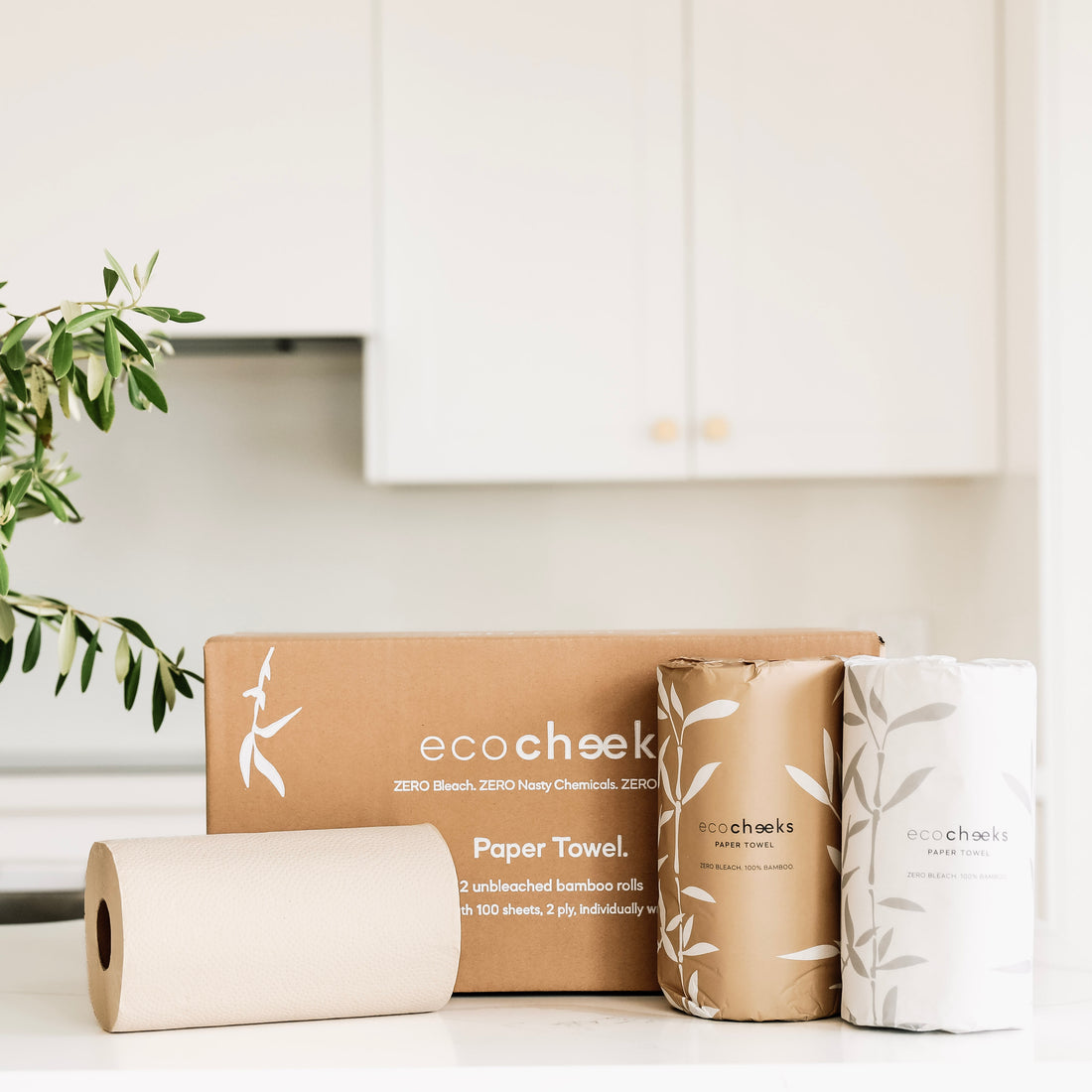
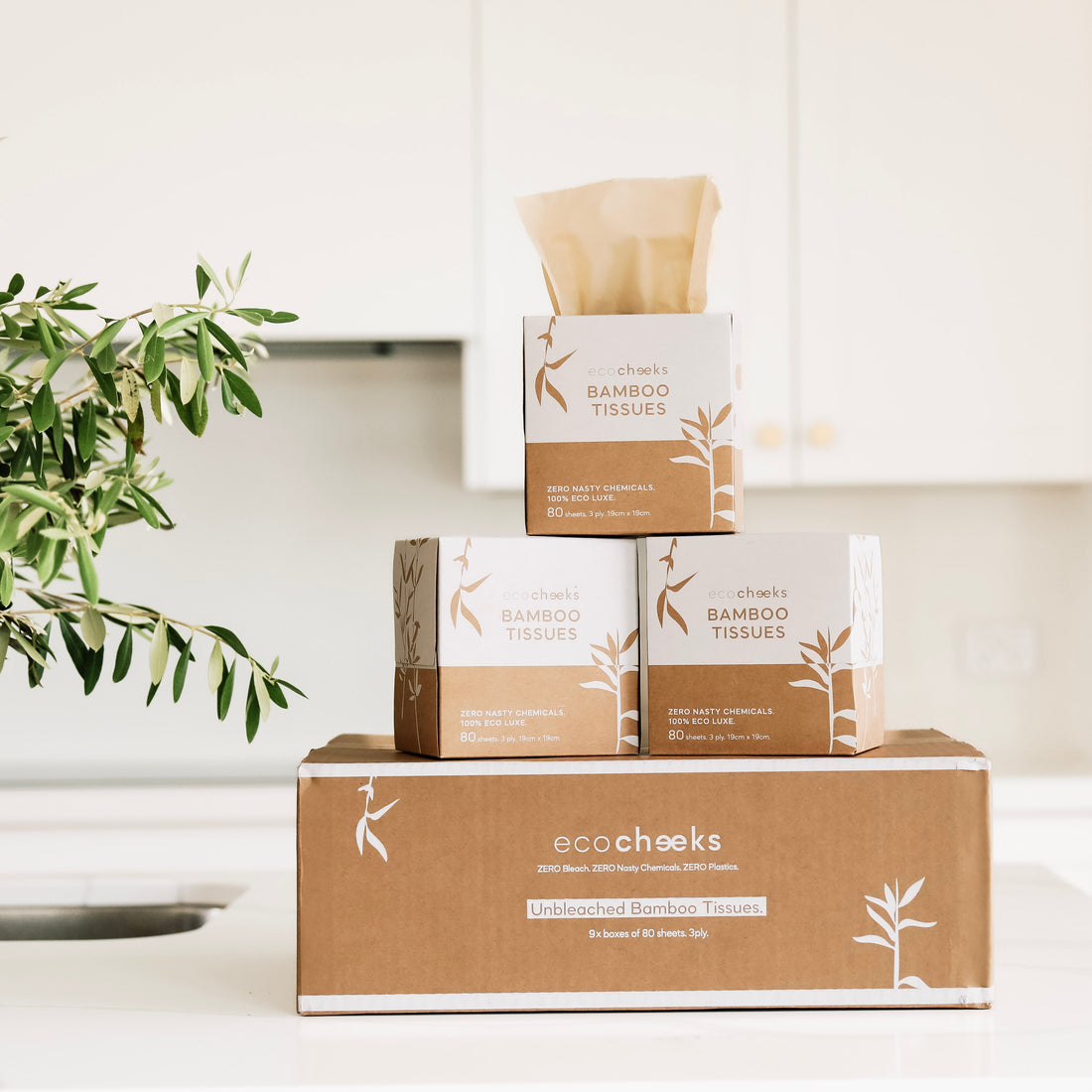
Our 100% bamboo toilet paper, tissues, and paper towels are designed to give Australian households a genuinely better option. Tree-free, chemical-free, plastic-free, and soft enough that nobody has to sacrifice comfort for conscience. Every roll you buy helps keep forests standing, supports Greenfleet's reforestation projects, and removes one more household from the demand chain for virgin wood pulp.
Because forests have been doing their job for millions of years, the least we can do is stop flushing them down the toilet.
Stock up on everything you need here.